

REVIEW · WWI BATTLEFIELD TOURS
From Ypres: WWI Battlefields Private Tour
Trenches with stories still in the ground. This private Ypres Battlefields tour moves at a human pace, following the 1917 push toward Passchendaele and letting you stand where the fighting actually unfolded. You start with the Caterpillar Mine Crater at Hill 60, then work your way through key trench lines and cemeteries that made the Ypres Salient so infamous.
Two things I really like. First, you get to walk original trenches at Sanctuary Wood, not just view plaques from a parking lot. Second, the stops at Tyne Cot Cemetery hit with scale and clarity, including Wargrave’s burial grounds for the war dead. One thing to consider: this is a 4-hour, outdoor-heavy route, and the ground and weather can be real, so bring good shoes and expect some wind.
In This Review
- What makes this Ypres tour feel personal
- Key highlights to look for
- Getting picked up in Ypres, and why meeting location matters
- Stop 1: Caterpillar Mine Crater (Hill 60 B) and the reality of underground warfare
- Stop 2: Sanctuary Wood Museum, where trenches stop being abstract
- Stop 3: Tyne Cot Cemetery and Wargrave, the scale you cannot ignore
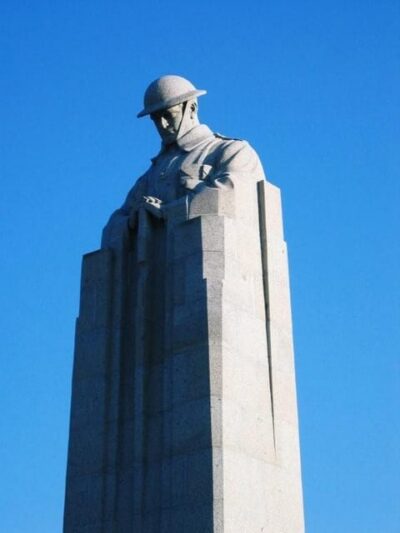
- Stop 4: The Brooding Soldier, a memorial built for 1915 first gas attack context
- Stop 5: John McCrae dressing-station site, and the poem you can place on a map
- Stop 6: Essex Farm Cemetery, a final checkpoint for reflection
- Price and value for a private group up to 4 people
- Which itinerary focus should you pick: Australian, Canadian, or Kiwi?
- Who this WWI day trip is best for
- Should you book this Ypres Battlefields private tour?
What makes this Ypres tour feel personal
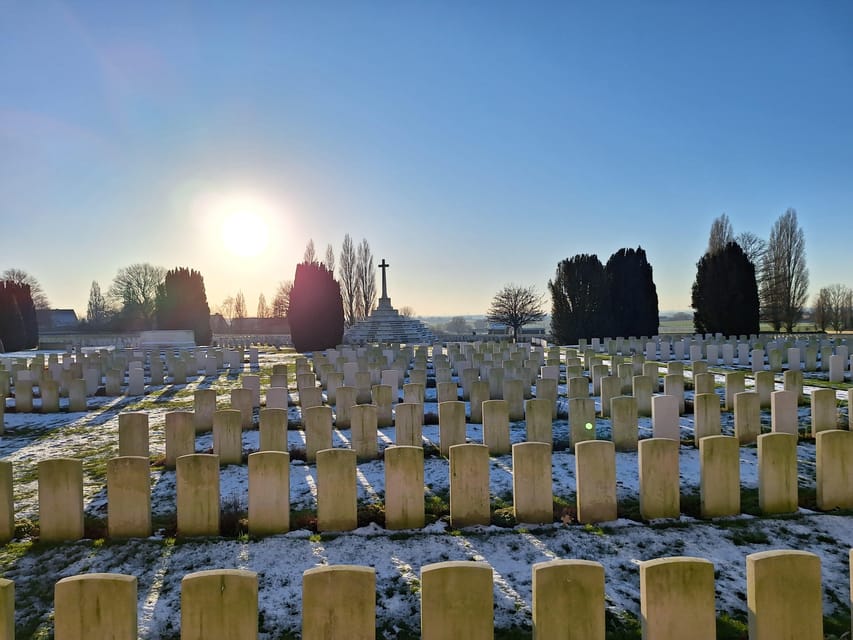
Because it is private, you are not boxed into a one-size-fits-all script. Your guide can tailor the day based on your interests, and if you have family connections, you can ask for help building an ancestor-centered route. That changes the experience from history-as-a-topic into history-as-a place you can actually locate.
You also choose a national focus, which matters more than it sounds. There are three itinerary styles: Australian 1917, Canadian 1915 and 1916/1917, and Kiwi 1917. That focus shapes what your guide emphasizes across the same core landscape.
Finally, you get enough time at most stops to look closely. It is not a sprint through sites, and the pacing helps you take in both the emotional weight and the tactical details.
Key highlights to look for
- Sanctuary Wood trenches give you that rare sense of “this is where soldiers moved”
- Hill 60’s Caterpillar Mine Crater shows how terrain and engineering shaped the battle
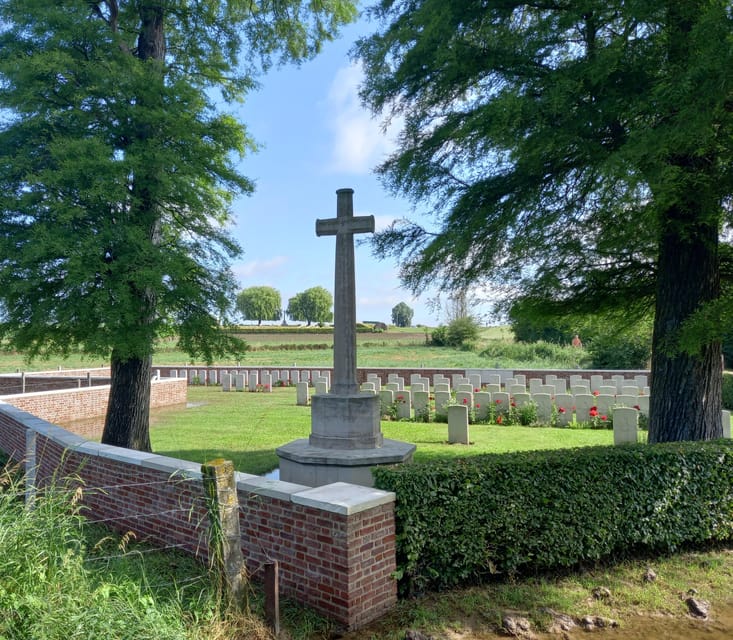
- Tyne Cot Cemetery and Wargrave lets you see how the war dead were laid to rest in massive numbers
- The Brooding Soldier memorial marks the 1915 first-ever German gas attack with a clear visual punch
- John McCrae’s dressing-station site connects the battlefield to the poem In Flanders Fields
More Flanders Fields battlefield tours:
- From IEPER Private 4-hour Tour of the Ypres Battlefield
★ 5.0 · 154 reviews - In Flanders Fields and Passchendaele Half Day Morning Tour
★ 5.0 · 117 reviews - From Ypres, The Christmas Truce to Passchendaele Ypres Based WW1 private tour
★ 5.0 · 29 reviews
Getting picked up in Ypres, and why meeting location matters
You meet your guide in Ypres at your accommodation or at the Ypres Railway Station. That sounds like a small detail, but it affects how calm your start feels. If you are tired from travel, you do not have to coordinate buses or find a rendezvous spot. You just go.
This day is designed for a private group, priced per group up to 4 people, which is one of the smartest parts of the value story. For the cost of a couple of standard tours, you often get a full guide and car time that is actually usable. It also means you can ask questions as you go, without waiting for a big group to catch up.
The guide gives you English commentary throughout, plus mineral water. If you are the type who likes maps, angles, and “why here,” you should feel well matched. Several guides in this operation are known for using charts and maps in a way that helps you orient fast once you are out in the countryside.
Stop 1: Caterpillar Mine Crater (Hill 60 B) and the reality of underground warfare
The first real gut check comes early at the Caterpillar Mine Crater (Hill 60 B). The mine crater is not just a dramatic hole in the ground. It is a reminder that the war did not only happen above the surface. It also happened underground, through digging, engineering, and surprise.
Expect a guided walk of about 30 minutes here. That timeframe is enough to look around, take photos, and let your guide explain how the crater connects to the surrounding lines and the larger battle push. I like starting with this because it gives you a mental model for the rest of the day. After Hill 60, the trenches at Sanctuary Wood make more sense. You start seeing the battle as a system of terrain, not isolated landmarks.
Practical consideration: the ground can be uneven and windy around crater sites. Wear shoes you trust. If you are prone to cold hands, bring a layer. You will stand and look.
Stop 2: Sanctuary Wood Museum, where trenches stop being abstract
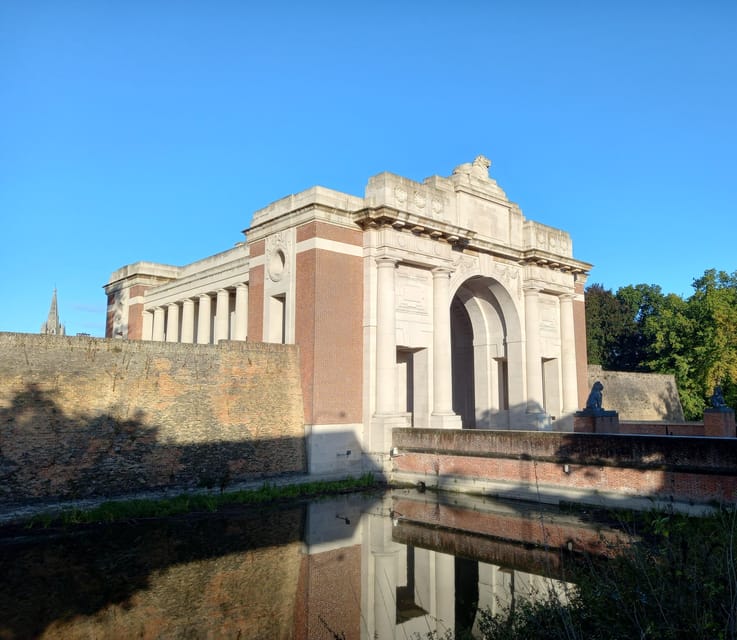
Next is the Sanctuary Wood Museum, with about 50 minutes for a guided visit. This is where the tour shifts from big spectacle to smaller, human details. The museum context matters, because Sanctuary Wood is not simply a name. It is tied to the trench fighting that defined the Ypres Salient.
What I appreciate about this stop is how it helps you connect what you see later outdoors with what you learn indoors first. When you walk the trenches, you are not guessing. You know what to look for: how the ground shaped movement, how units advanced, and how the front line effectively lived in a tight, punishing space.
One small drawback of making a museum stop early: you may feel like you are “inside too soon” if you crave open air. But for most people, it pays off. It turns the outdoor walking into something you can read, not just observe.
More things to do around Ypres:
- Ypres: An exploration of the deadly salient battlefields
★ 5.0 · 76 reviews - Bellewaerde Aquapark Entrance Ticket
★ 4.4 · 19 reviews - Full Day Canadian WW1 Vimy and Somme Battlefield Tour from Ypres
★ 5.0 · 6 reviews - e-Scavenger hunt Ypres: Explore the city at your own pace
★ 4.5 · 6 reviews
Stop 3: Tyne Cot Cemetery and Wargrave, the scale you cannot ignore
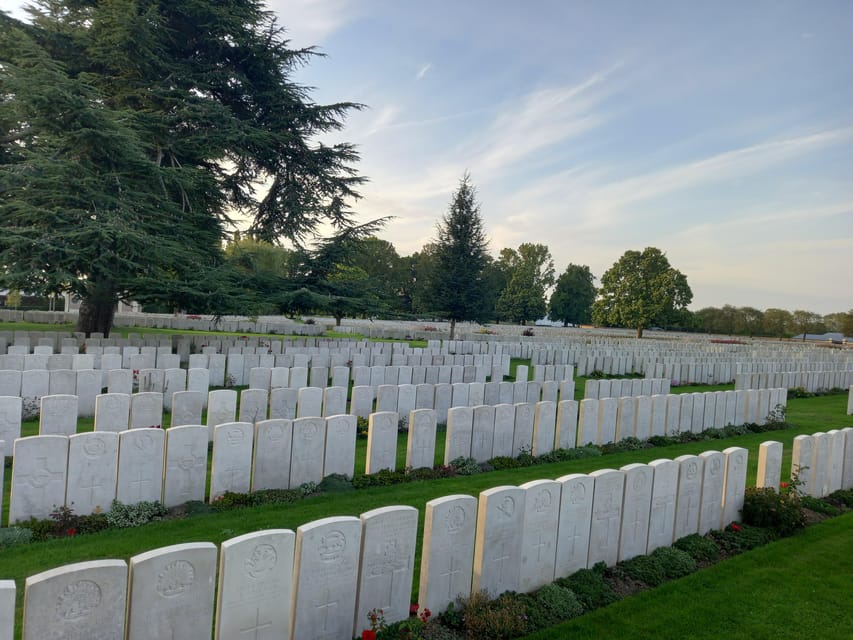
Then comes Tyne Cot Cemetery, about 50 minutes guided. This is one of the most powerful stops in the region, and for good reason. Tyne Cot is closely associated with Wargrave, including burial grounds with 12,000 war dead interred there. When a place holds that many names, your brain starts doing a different kind of math. It stops thinking about dates and starts thinking about loss.
This is the point in the tour where I think you should slow down. Take your time at individual headstones, but also look up and scan the overall layout. Your guide can connect the cemetery to the action around Ypres Salient and explain how the fighting progressed. That context is what prevents the cemetery from becoming just a “sad stop.” It becomes a map of where people ended up.
Practical note: cemeteries are often windy and cold in unexpected ways. Even if the day is sunny, bring a jacket. Also, if you have family names to search for, tell your guide early. The tour can be tailored, and that tailoring is one of the most highly praised parts of the experience.
Stop 4: The Brooding Soldier, a memorial built for 1915 first gas attack context
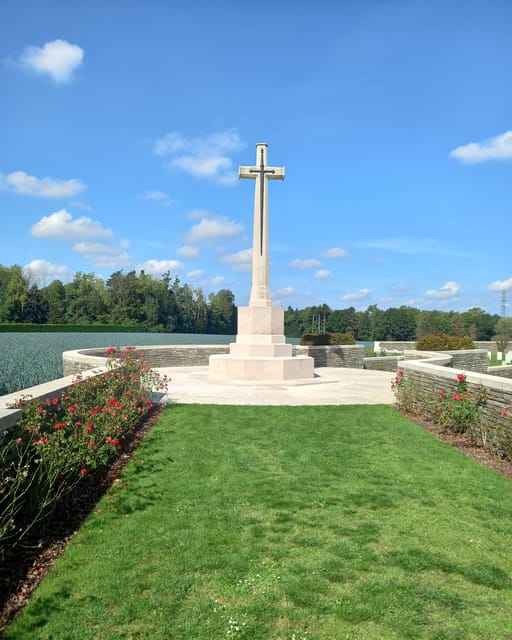
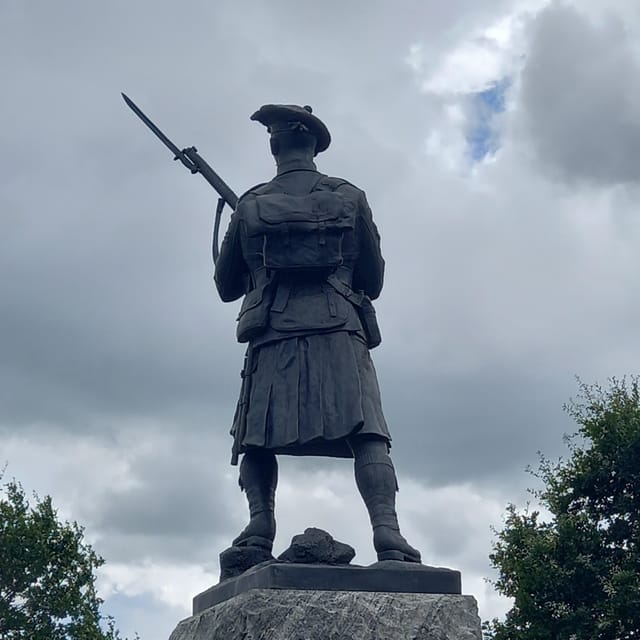
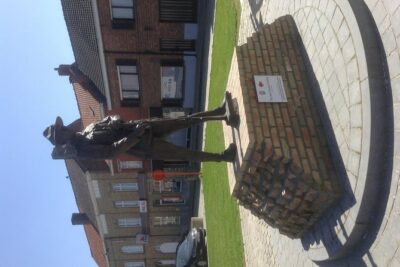
A shorter guided stop follows at The Brooding Soldier, around 20 minutes. The memorial marks the 1915 first-ever German gas attack and it is designed to make you look harder at the kind of fear that chemical weapons introduced.
Because the time here is short, it works best if you listen closely to your guide’s framing. Gas attacks changed the war in ways that were immediate, physical, and frighteningly hard to manage with ordinary “battlefield” assumptions. Your guide’s job here is to connect the memorial to what the soldiers would have faced.
This is also a good reset moment. If you have been holding your focus at cemetery scale, the more compact, symbolic memorial can feel like a breath. The drawback is simple: 20 minutes can feel quick if you want to linger independently. If you are the type who needs extra time for photos or quiet looking, ask your guide if you can add a little pause.
Stop 5: John McCrae dressing-station site, and the poem you can place on a map
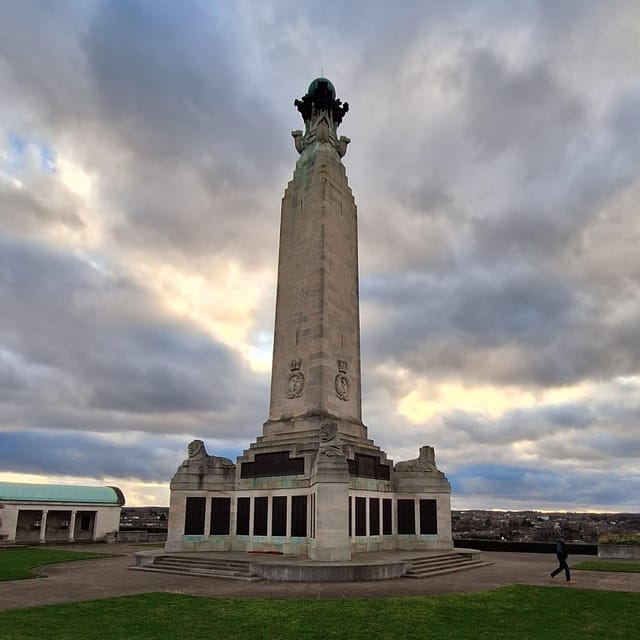
Next is the John McCrae Dressing Station WWI Flanders Fields Fame photo stop, about 35 minutes. This is where the battlefield meets the literature most people recognize. The guide connects the location to the story behind the poem In Flanders Fields.
I like photo stops when they come with meaning, not just scenery. Here, you are not just snapping a picture. You are placing an iconic piece of writing into the physical geography of the war. That makes it easier for your brain to hold onto the emotional impact without getting lost in details.
Tip: if you care about the McCrae angle, ask your guide what the dressing-station location meant in daily operations. Even a short answer can turn a photo stop into a small lesson you carry home.
Stop 6: Essex Farm Cemetery, a final checkpoint for reflection
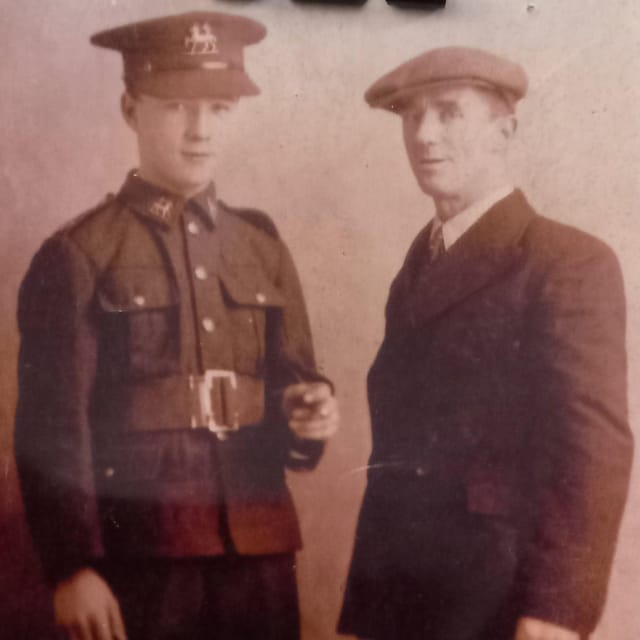
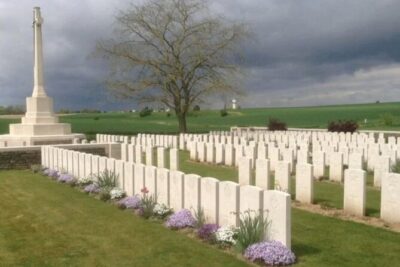
The last cemetery stop is Essex Farm Cemetery, with about 10 minutes guided. Short stops can feel rushed on a normal tour, but on this one, it works if you have been pacing yourself. By the time you reach Essex Farm, you have already built a mental picture of the front line’s pressure, the cemetery scale, and the memorial language used around the conflict.
This stop is brief enough to keep the day moving, but it still gives you a chance to ground the story in another real place. If you have been reading names and thinking about your own connections, this final stop is often where the emotions settle into something quieter.
Practical consideration: do not plan anything right after this. You may want a few minutes back in Ypres to decompress. WWI sites do that to people.
Price and value for a private group up to 4 people
At $530 per group up to 4 people, this is not a cheap activity. It is also not a “pay for a seat” tour. You pay for a guide, hotel pickup and drop-off, transport time, museum entrance fee, and private pacing.
Here is how I see the value math:
- If you are 1 to 2 people, the cost per person is higher than a group bus.
- If you are a family or a small group of four, it becomes far more reasonable because the private guide time is shared.
- The tailoring is not a gimmick. When guides help you locate ancestor connections, the day becomes uniquely yours. That is hard to replicate on a fixed group route.
Transport quality is also part of the value. Many people praised the vehicle as clean and comfortable, and some noted the benefit of air-conditioning on hot days. That comfort matters because you are spending real time in the car between sites.
Which itinerary focus should you pick: Australian, Canadian, or Kiwi?
The day comes in three itinerary styles: Australian 1917, Canadian 1915 plus 1916/1917, and Kiwi 1917. You should choose based on where your curiosity lives.
- Choose Australian 1917 if you want the story centered on Australian units and the 1917 fighting arc.
- Choose Canadian 1915 and 1916/1917 if you are tracking the earlier and later Canadian involvement in the Ypres Salient.
- Choose Kiwi 1917 if New Zealand sites and connections are your priority.
Even if the core geography feels similar, the way a guide frames the terrain changes. You end up noticing different memorial names, different unit pathways, and different battle phases.
Who this WWI day trip is best for
This tour is a strong match if you:
- want a private guide rather than a large group
- care about family history and want help locating sites connected to your ancestor
- like structured context, so the cemeteries and memorials do not feel disconnected
- want to follow a battle narrative, especially the 1917 attacks toward Passchendaele
It is also a good pick for people who have done a bit of WWI reading already and now want to put details onto actual ground. When your guide uses maps to help you orient, the battlefield starts to feel legible.
If you prefer a totally self-guided day with no pacing, you might find the guided structure limiting. But for most visitors, that structure is what makes the experience worthwhile.
Should you book this Ypres Battlefields private tour?
I think you should book if you want a guided, high-context WWI day without the stress of planning your own route. The strongest reason is the pairing of original trench walking, major memorial stops like Tyne Cot, and the ability to tailor the day around your interests and connections.
Also, the timing works well for people who want a full experience in 4 hours. You see the key places, you get guided time at each one, and you still return to Ypres without feeling like you have lost the whole day.
Before you book, do one simple check in your head: do you want to walk and stand outdoors for much of the day? If yes, bring good shoes and layer up for wind. If no, you might still enjoy the tour, but you will want to plan for comfort.
If your goal is to understand the Ypres Salient as more than a postcard, this private tour has the right mix of places, context, and pace.
The latest Ypres write-ups
- From LIlle or Bruges, Christmas Truce to Passchendaele Ypres 1 day WW1 private★ 5.0 · 5 reviews
- Discover Tournai while playing! Escape game – The alchemist★ 4.0 · 3 reviews
- Full Day Canadian WW1 Vimy and Somme Battlefield Tour from Ypres★ 5.0 · 6 reviews
- e-Scavenger hunt Ypres: Explore the city at your own pace★ 4.5 · 6 reviews
- From Ypres 4hr Christmas Truce and Monster Mines of Messines PRIVATE Tour★ 5.0 · 5 reviews
- Bellewaerde Aquapark Entrance Ticket★ 4.4 · 19 reviews
- From Ypres, The Christmas Truce to Passchendaele Ypres Based WW1 private tour★ 5.0 · 29 reviews
- Ypres: An exploration of the deadly salient battlefields★ 5.0 · 76 reviews
WWI Battlefield Tours, compared.
Great War Flanders Fields Minibus Tour w/ Lunch
Read our review →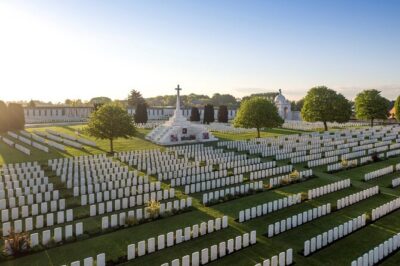
Flanders Fields Remembrance Tour from Brussels
Read our review →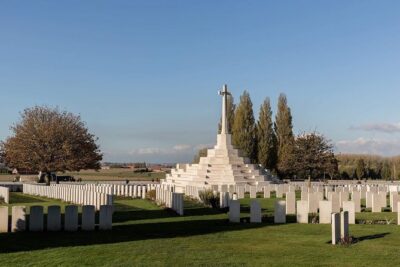
From IEPER Private 4-hour Tour of the Ypres Battlefield
Read our review →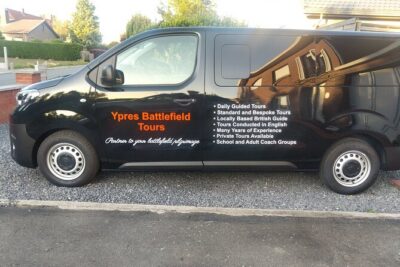
In Flanders Fields and Passchendaele Half Day Morning Tour
Read our review →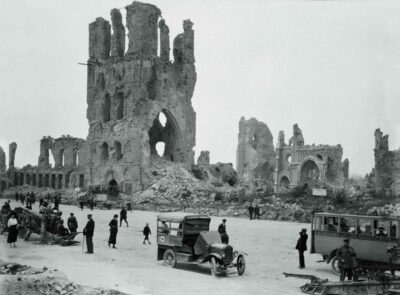
From Ypres, The Christmas Truce to Passchendaele Ypres Based WW1 private tour
Read our review →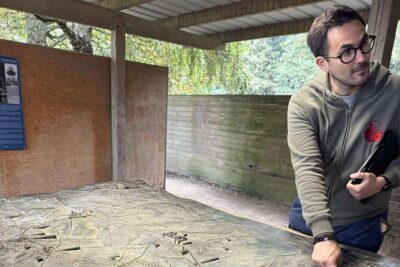
Private WW1 Flanders Fields Battlefield Day Trip
Read our review →Browse the lists this tour appears in