
REVIEW · DIAMOND DISTRICT TOURS
Private Antwerp’s Diamonds and Jewellery Old City Center Historic Tour
Antwerp’s jewelry story is on the street. This private 2-hour walk mixes atelier visits with old-city landmarks tied to the diamond and precious-metal trade, from Suikerrui to Wijngaardstraat. I loved the pace, it stays personal and focused, and your guide can steer the day toward what you care about most. Two things I especially liked were the hands-on feel of stepping into places like Pascale Masselis’s atelier and the way the tour connects big trade history to small, walkable streets. One possible drawback is that it is still a walking historic route, so not every stop is a long showroom visit, and some interiors depend on timing.
I also like how the tour grounds you in the real Antwerp behind the storefronts. You get specific context, like how the diamond business grew from merchants and fairs near Grote Markt, and how older money-exchange spots connect to the word bankrupt. If you are hoping for a full-blown diamond cutting demonstration, note that this is a historical old-city tour focused on Antwerp’s evolution around the trade, not a promise of a cutting workshop at every stop.
Finally, this tour is best when you bring curiosity about craftsmanship and how markets work. It is private, limited to your group up to 15, and offered in English, which makes it easy to ask questions and slow down when something sparks interest. If you just want quick shopping time, you may find the stops a bit too structured for a pure browse.
In This Review
- Key highlights to look for on this tour
- Why Antwerp’s diamond and jewelry story lives in the streets
- The walk begins at DIVA, museum for diamond, jewelry, and silversmithing
- Grote Markt, where trade energy hits fast
- Wisselstraat and the surprising origin behind the word bankrupt
- Saint Paul’s Church and its treasury of diamonds
- Zwartzustersstraat, when jewelry shops sat below cutting ateliers
- Zirkstraat, the 15th century diamond cutter link
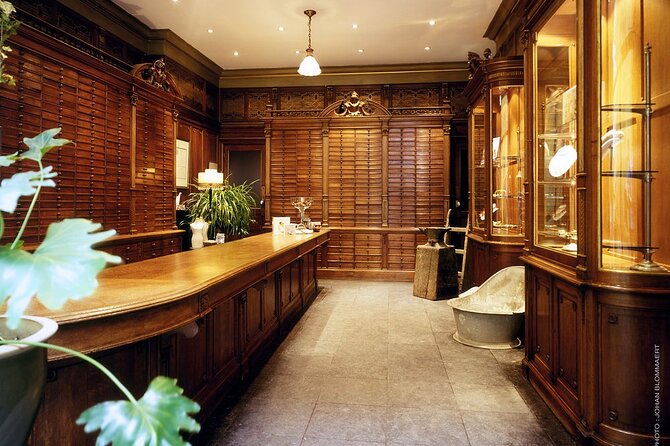
- Pascale Masselis atelier visit, where handmade feels personal
- Lange Koepoortstraat and the nation house of silversmiths and goldsmiths
- Wijngaardstraat, a concentrated dose of independent jewelry studios
- What makes the tour good value for $234.93 per group
- How to get the most out of it on the day
- Who this tour is best for
- Should you book this private Antwerp diamond and jewelry historic tour?
- FAQ
- How long is the tour?
- How much does it cost?
- Is the tour offered in English?
- Where does the tour start and end?
- Is DIVA included in the tour price?
- Do the other main stops have admission fees?
- Is it a private tour?
- What is the cancellation policy if plans change?
- What happens if the weather is bad?
Key highlights to look for on this tour
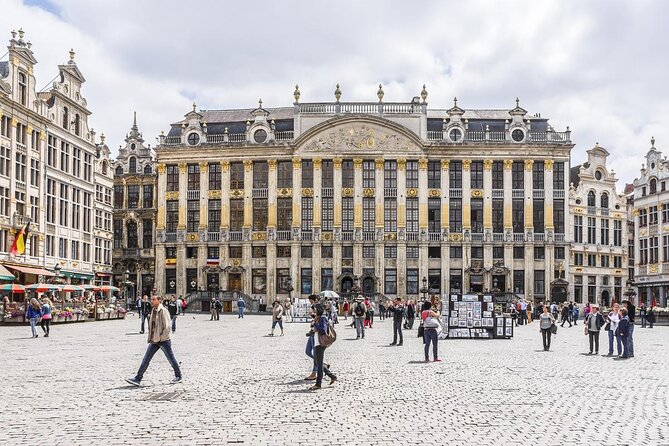
- Designer atelier access: You get real access, including time at Pascale Masselis’s workshop and other craft spaces.
- Anchor stops in the diamond story: Grote Markt, Wisselstraat, and Saint Paul’s Church tie the trade to specific places.
- What you will see above the shops: In Zwartzustersstraat, the old setup was jewelry on the ground and cutting ateliers above.
- Hands-on craft storytelling: You hear how gold, silver, and diamonds shaped neighborhoods, guild life, and commerce.
- A strong local-art angle: The route includes independent designers and multidisciplinary spaces, like Rembrandt Jodan’s gallery-atelier-shop.
Why Antwerp’s diamond and jewelry story lives in the streets
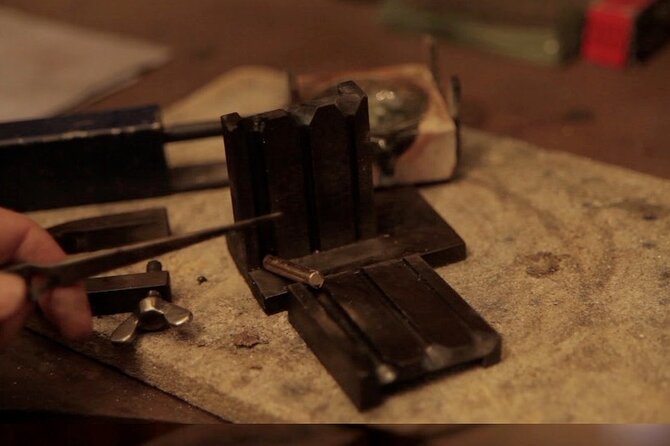
Antwerp built its reputation on precision, money, and networks. The city’s historic core still shows that logic in the street layout: where trade happened, where exchanges took place, and where craftspeople could work close to buyers. This is why the tour works so well on foot, you are not just hearing facts, you are seeing the geography that shaped them.
You start near DIVA, a museum for diamond, jewelry, and silversmithing. The museum is not just background, it sets the tone for what comes next: people, techniques, and the way Antwerp became a magnet for the global jewelry business. I like this choice because it gives you a framework before you walk into the real working streets.
And the best part is that the guide connects the dots for you. Instead of treating jewelry as isolated art objects, you learn how the industry functioned, from traders showing up for fairs to craftsmen living and working in the same neighborhoods as customers.
More Historical Tours in Antwerp
- Historical Walking Tour: Legends of Antwerp
★ 5.0 · 1,837 reviews - Antwerp: Historical Walking Tour in the Old City
★ 4.8 · 373 reviews - Private tour: Highlights & History of Antwerp
★ 5.0 · 299 reviews
The walk begins at DIVA, museum for diamond, jewelry, and silversmithing
You meet at Suikerrui 17/19, in front of DIVA. This is a smart starting point, because the guide uses the museum’s theme to launch the day: Antwerp’s connection to diamonds and precious metals, and how the city’s identity formed around that trade.
Then you head into the old neighborhood on a guided walk. You are not just passing stores, you are getting a guided map of why the area developed the way it did, and what to look for as you go.
DIVA is also a practical tip for your timing. The tour starts outside, and the museum visit is not included in the tour price, so if you can, plan your own extra time there. After the tour, that option is worth it because the exhibits can deepen what you just learned on the street.
Grote Markt, where trade energy hits fast
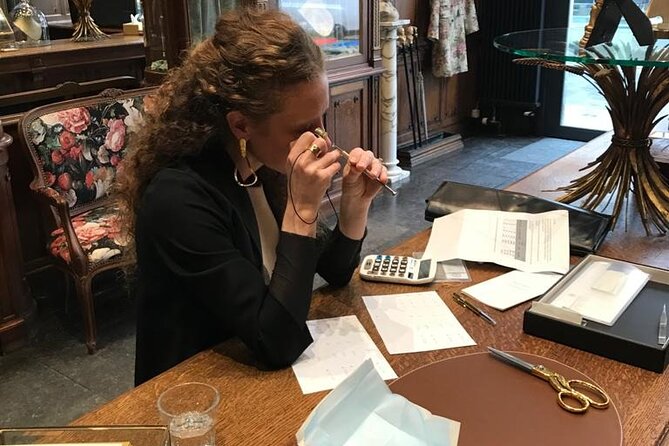
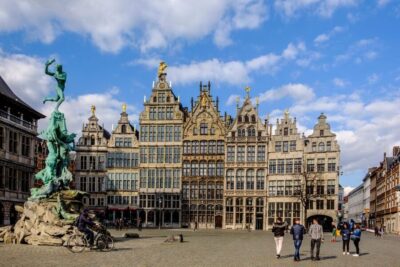
The tour moves to Grote Markt, Antwerp’s famous main square. Here the story is about fairs and foreign merchants showing up to trade and buy gems and jewelry. It is one of those places where you can feel why a city would become a hub, the square is built for gathering.
This stop is short, but it is purposeful. You get a quick historical anchor that makes the later street details click, especially once you hear about exchanges and the role of money movers in the same general area.
If you are the type who likes context before you buy anything, this is a good moment. Even if you do not love history for its own sake, the link between marketplaces and jewelry trade is easy to understand here.
Wisselstraat and the surprising origin behind the word bankrupt

Next comes Wisselstraat. The clue is right in the name: Wissel means exchange, and this is tied to where foreign buyers used to exchange money. That is not just trivia, it helps explain why Antwerp’s trade worked so well: you need trust, speed, and easy financial conversion when money crosses borders.
The guide also connects this to the word bankrupt. That detail adds real flavor to the stop, because it turns a modern word into something tied to a specific place and practice.
This is one of the stops that feels the most human. You are imagining the daily flow of business, and you can see how a city becomes known for wealth, because it built systems around movement of value.
More Antwerp diamond district tours:
- Antwerp: Diamond & Jewish Quarter Walking Tour
★ 4.6 · 32 reviews - Antwerp: Diamond & Jewish Quarter Walking Tour
★ 4.5 · 5 reviews - From Brussels: Private Tour to Antwerp – Diamond & Art City
★ 4.3 · 4 reviews - Ticket to Diamond Museum in Bruges
★ 4.5 · 14 reviews
Saint Paul’s Church and its treasury of diamonds
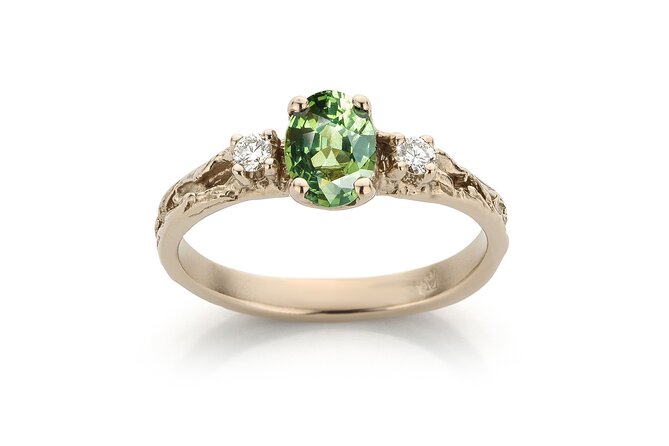
The tour then heads to Saint Paul’s Church. The connection here is silversmithing and jewelry history, and you also get a specific detail that makes the stop memorable: the church treasury has over 3000 diamonds.
This stop is a longer beat than a pure street pass, because churches often preserve the kind of artifacts people used to commission for status and craftsmanship. Even if you only have a short window, the guide’s explanation helps you understand why jewelry fits into religious and civic spaces, not just private luxury.
It is also a good break from the commercial street rhythm. You see the trade’s cultural footprint, which is important if you want a complete picture of why Antwerp became more than a supply chain.
Zwartzustersstraat, when jewelry shops sat below cutting ateliers
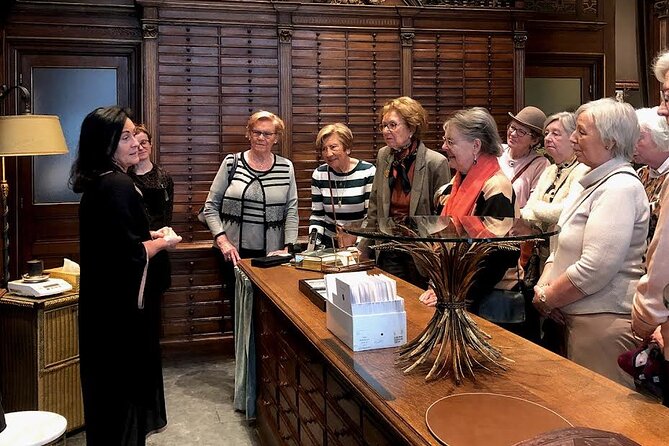
Then you walk to Zwartzustersstraat. The street looks calm now, but the guide explains that it used to be a busy shopping street, with jewelry shops on the ground floor and diamond cutter ateliers upstairs. That vertical setup is a key piece of Antwerp’s industrial logic, it kept work close to buyers.
This is the kind of stop where paying attention helps. Look up at the building levels, not just the storefronts. The craft story is literally stacked into the architecture, and the guide points that out so you do not miss it.
The stop is short, but it does real work for the theme of the day. It shows that this was not only about glamorous showrooms, it was also about production, training, and skilled labor.
Zirkstraat, the 15th century diamond cutter link
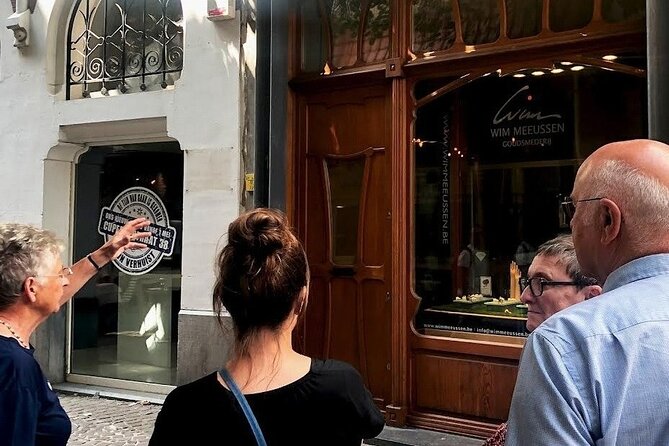
At Zirkstraat, you hear about the first diamond cutter living here back in the 15th century. That is a big date and it gives you a clear early timeline for Antwerp’s craft footprint.
A benefit of learning this here, instead of only in museums, is that it shapes your interpretation of everything you saw earlier. When you know this neighborhood had cutting roots so early, Grote Markt and exchange streets feel less like separate stories and more like one system.
This stop is brief, but if you like origins, it is satisfying. You leave with a sense that Antwerp’s diamond identity did not begin in modern times, it grew from older craft communities.
Pascale Masselis atelier visit, where handmade feels personal
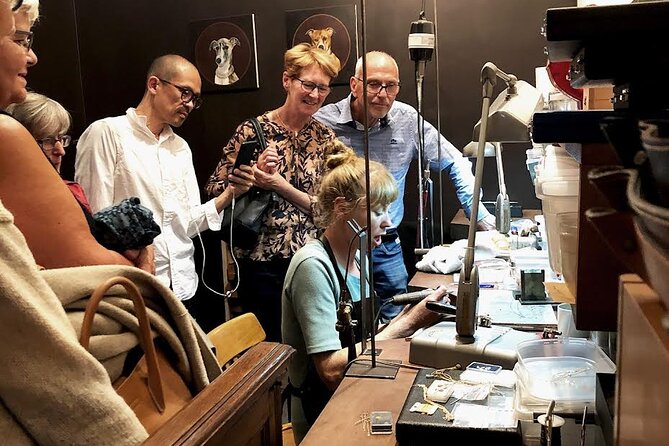
One of the tour’s strongest moments is the atelier time with Pascale Masselis. She graduated from the Royal Academy of Antwerp in 1983, and her studio focus is clear: 18 carat gold, handcrafted pieces, and unique designs that are made in her own atelier.
You also learn about the practical side of working this way. Pieces can be especially made to order, and there is even an upcycling angle in the offer: Pascale can transform old, out-of-date jewelry into modern treasures.
This is exactly the kind of stop that turns a walking history tour into something you can feel. Instead of only learning how a trade worked, you see how the craft continues in the present. If you care about originality, the guide’s explanation of her approach makes the atelier visit feel like more than a showroom.
Lange Koepoortstraat and the nation house of silversmiths and goldsmiths
Next is Lange Koepoortstraat, tied to the nation house of silver and goldsmiths. The guide explains why a “nation house” was needed, which matters because guild-style organization and shared buildings helped trades operate efficiently.
This stop works best if you are the kind of person who likes how industries organize themselves. Jewelry is glamour, yes, but it is also rules, training, and coordination. A nation house suggests the industry needed a stable home base, especially when commerce expanded.
It also gives you a better sense of the city’s social structure. Antwerp’s jewelry trade was not just individual artists making things. It was communities of practice with systems around them.
Wijngaardstraat, a concentrated dose of independent jewelry studios
The tour spends time around Wijngaardstraat, a small street that packs multiple jewelry makers into one walkable area. The interesting part is that the guide introduces you to different styles and techniques, so you can compare approaches without rushing through a mall.
You will also get short background stories on the makers you meet, including education, lineage, and design philosophy. For example, Gerda De Vrij studied in Pforzheim under Klaus Ullrich, one of the pioneers for modern jewelry. The atelier also involves family continuity, since their daughters joined the business, helping the brand survive into the next generation.
You also learn about Wim Meeussen, known for his distinctive collection of jewelry and wedding rings. The tour notes that he has a flagship store and another location dedicated to silver jewelry, which helps you understand how the brand can reach different budgets without losing its signature style.
Then comes Hanne Schoofs, who regularly seeks new techniques to keep her designs evolving. If you like the idea of jewelry as living craft rather than fixed tradition, this is a useful angle.
You also meet Eva Crauwels, whose work feels retro-romantic and feminine, with over 15 years as an independent goldsmith. Finally, the tour brings you to Rembrandt Jodan, in a multidisciplinary space that combines art gallery, atelier, and jewelry shop.
This street is where you can start thinking like a buyer, even if you do not plan to purchase. You will notice how each workshop approaches materials, silhouettes, and personal customization.
What makes the tour good value for $234.93 per group
At $234.93 per group (up to 15), the price makes sense when you factor in what you get: a private guide for about 2 hours, in English, plus multiple designer studio stops. If you are traveling as a family or a small group of friends, this can work out much cheaper per person than doing several separate guided experiences.
It also feels like value because you get context plus access. Many tours will show you streets, but fewer will help you step into actual ateliers like Pascale Masselis’s and talk craft with the kind of specificity that makes the city’s jewelry industry feel real.
One more practical point: because it is private, you can ask questions as you go. That is not just comfort, it changes the tour. You can spend an extra few minutes on what interests you, and skip details that do not.
The main thing I would watch is your expectations. This is not a long shopping binge, and it is not a guaranteed hands-on diamond cutting demo. If you want industry history and designer craftsmanship in a compact, personal format, it fits well.
How to get the most out of it on the day
This tour works best when you come with a few themes. If you love modern jewelry, ask about technique and materials at the studio stops. If you are into business history, focus on exchange, fairs, and why guild organization mattered.
Wear comfortable shoes. Even with a 2-hour schedule, you are walking through several streets in the old center, and you will want time to look up at architectural details like the layers described in Zwartzustersstraat.
Also, bring a phone camera. You will likely want photos of shopfronts, street context, and the difference between independent atelier styles in Wijngaardstraat. Just be mindful when you are near working spaces, and follow the guide’s cues.
Finally, if DIVA matters to you, plan your timing around it. Since DIVA admission is not included, you are making a separate choice. I like the way this tour gives you a reason to do that, rather than treating the museum like an optional add-on you might forget.
Who this tour is best for
You should book this if you like any combination of city history, craft, and design. It is a strong fit for couples who want something more interesting than a standard sightseeing loop. It is also a great family option if your kids can handle a short walk plus stories, not just a list of landmarks.
It is especially appealing if you enjoy designers and want to see how independent makers work in their own spaces. The tour includes multiple atelier personalities, from Pascale Masselis to the multidisciplinary Rembrandt Jodan, so there is plenty to compare.
If you are strictly shopping-focused and want hours in stores with minimal talking, consider whether a guided route will feel too structured. This tour earns its value through context, so you will get the most from it when you lean into the explanations.
Should you book this private Antwerp diamond and jewelry historic tour?
I think it is a solid yes for the right traveler. If you want a compact, private way to understand Antwerp’s jewelry industry and also step into real studio spaces, this is one of the better formats I have seen.
Book it if:
- You want atelier access and not just street photos.
- You like how history connects to craft and business.
- You are traveling with a group where private time is a perk.
Skip or rethink it if:
- You are expecting a long, hands-on diamond cutting workshop.
- You only want passive sightseeing with no industry context.
- You prefer a full day of shopping over a tightly guided route.
FAQ
How long is the tour?
The tour is about 2 hours.
How much does it cost?
It costs $234.93 per group (up to 15 people).
Is the tour offered in English?
Yes, it is offered in English.
Where does the tour start and end?
It starts in front of DIVA at Suikerrui 17/19, Antwerp, and ends at Rembrandt Jordan on Wijngaardstraat 18, Antwerp.
Is DIVA included in the tour price?
No. The museum at DIVA has admission, and the tour notes that a ticket is not included.
Do the other main stops have admission fees?
The tour notes that several stops are free, including Grote Markt, Wisselstraat, Saint Paul’s Church, Zwartzustersstraat, Zirkstraat, Lange Koepoortstraat, and Wijngaardstraat.
Is it a private tour?
Yes. It is private, and only your group participates.
What is the cancellation policy if plans change?
Free cancellation is available up to 24 hours in advance for a full refund.
What happens if the weather is bad?
If it is canceled due to poor weather, you are offered a different date or a full refund.
The latest Antwerp write-ups
- Antwerp: Diamond & Jewish Quarter Walking Tour★ 4.5 · 5 reviews
- Antwerp: City Walk with Audio Guide in 7 Languages on your Phone★ 3.0 · 15 reviews
- Discover Antwerp while playing! Escape game – The alchemist★ 4.5 · 4 reviews
- Antwerp Private Custom Walking Tour With A Guide (Private Tour)★ 4.5 · 12 reviews
- Private MAS Antwerp Aperitif Cruise (13–50 Guests)★ 5.0 · 15 reviews
- Private Departure Transfer from Antwerp to Brussels By luxury car★ 3.5 · 3 reviews
- Guided Antwerp Port Tour, in your Car or Minibus★ 5.0 · 3 reviews
- Landed On Time 60 min. Max 1 Person★ 4.0 · 5 reviews
Diamond District Tours, compared.
Diamond Museum Ticket with Polishing Demonstration
Read our review →
Browse the lists this tour appears in