
REVIEW · DIAMOND DISTRICT TOURS
Bruges: Diamond Museum Ticket with Polishing Demonstration
Diamonds in Bruges sound like a gimmick, until you see why it matters. The Diamond Museum Bruges turns a small, local craft story into a hands-on lesson about light, pressure, and patience.
I especially like two things: the museum’s focus on Bruges diamond polishing history and the chance to watch a real diamond polishing demonstration at 12h15. If you enjoy science and making sense of shiny objects, the interactive lab is a big plus.
One consideration: if your timing is off and you arrive for the later part of the day, you can easily miss the live polishing moment since it is offered daily at a set time.
In This Review
- Key highlights I’d plan around
- Where a diamond museum earns its place in Bruges
- Bruges, 1476, and the polishing story you can follow
- The interactive lab: testing diamond properties the practical way
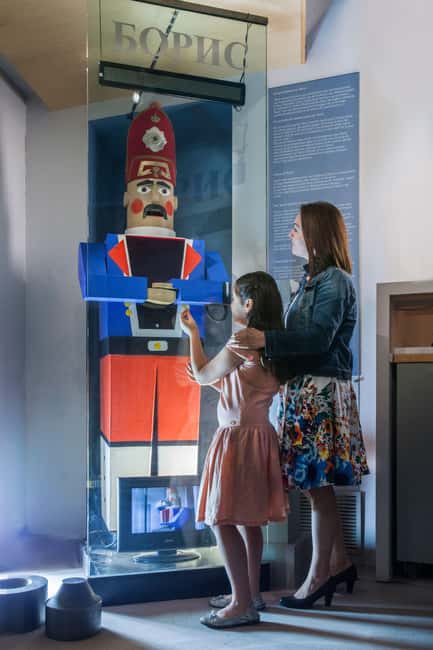
- Boris the robot and the museum’s synthetic-diamond angle
- The treasury and the Jumbo Diamond: what to look for
- The daily polishing demo at 12h15: plan your timing like a pro
- A one-day visit plan that fits real Bruges pacing
- Price, value, and who should buy this ticket
- Should you book the Diamond Museum Bruges ticket?
- FAQ
- How long is the Diamond Museum Bruges ticket valid?
- What does the ticket cost?
- What is included with my ticket?
- Is a guided tour included?
- When is the diamond polishing demonstration?
- What can I see in the museum besides the demonstration?
- What is the Jumbo Diamond?
- Is the museum accessible for wheelchair users?
- Do I need to pay right away?
- Is free cancellation available?
Key highlights I’d plan around
- Bruges link to diamond polishing (1476) and the people who shaped it
- Interactive lab where you test diamond properties for yourself
- Boris the robot creating synthetic diamonds
- Treasury with the Jumbo Diamond, the largest rough diamond in the country
- Daily polishing demo at 12h15, the can’t-miss show
Where a diamond museum earns its place in Bruges
Bruges is famous for canals, cobblestones, and quiet lanes that reward slow walking. A diamond museum can feel like a left turn. But this one is built around a very specific idea: diamonds are not magic, they are engineered.
You get access to the museum for your one-day ticket, and you also get the daily polishing demonstration at 12h15. That combo matters because the museum isn’t only about looking. It’s about understanding how rough stone becomes a cut stone, and why the process is so exacting.
What I found most useful is that it treats diamonds as both history and science. You’re not just shown objects behind glass. You’re taught the “why” behind cutting and polishing, with interactive pieces and explanations tied to real techniques. For $14 per person, the value is mostly in that blend, plus the live demo that gives you a clear endpoint for your visit.
Also, this museum is described as the oldest in Europe entirely dedicated to diamonds, so you’re stepping into a focused institution rather than a general museum with a small jewelry corner. If you like niche stops that feel intentional, this fits.
More Museum Visits in Bruges
- Bruges: Choco-Story Museum with Audio Guide and Tastings
★ 4.2 · 1,825 reviews - Choco-Story: The Chocolate Museum in Bruges
★ 4.0 · 544 reviews - Bruges: Chocolate Making Workshop and Chocolate Museum Entry
★ 4.6 · 395 reviews
Bruges, 1476, and the polishing story you can follow
The museum’s backbone is the story of Bruges during its Golden Age, when diamond cutting and polishing became a practiced craft. The big early-date claim you’ll see is 1476, including the idea that diamond cutting was invented in Bruges as early as that year. It doesn’t stop at one vague statement, though.
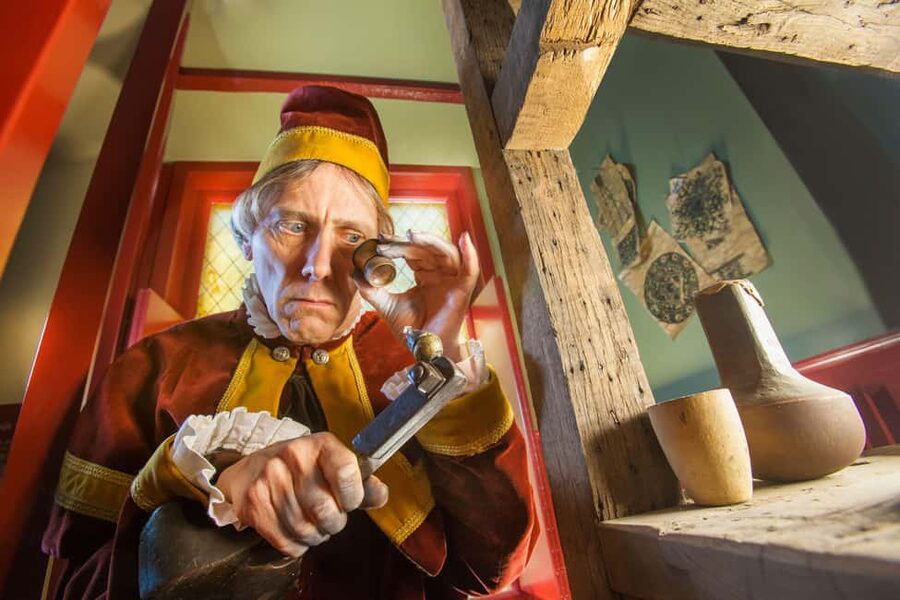
You’ll also learn how goldsmith Lodewijk van Bercken is credited with inventing diamond polishing during Bruges’ Golden Age. That name is worth remembering because it gives the history a human anchor. It turns a process into a craft tradition with an origin story, which is exactly what makes old-tech museum topics feel alive.
The museum also connects that early period to later activity, describing the many diamond-cutting workshops active in West Flanders in the twentieth century. Even if you only catch a few rooms, this broader arc helps you see diamonds as an industry that moved through time, not a one-moment invention.
If you’re the type who likes a museum to explain where something came from, you’ll probably appreciate how the displays guide you from rough stone to finished brilliance. That framing makes the later hands-on parts feel logical instead of random.
The interactive lab: testing diamond properties the practical way
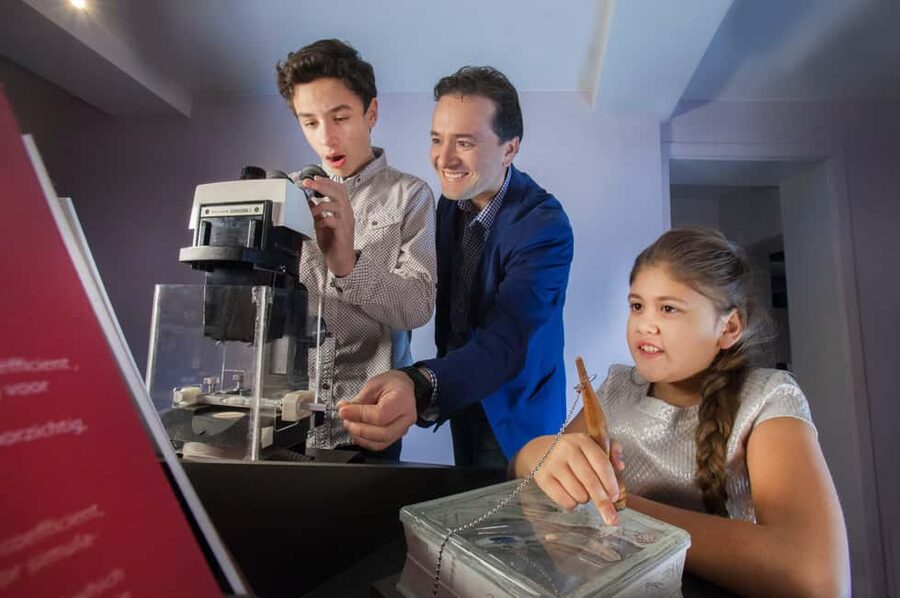
The interactive lab is where you stop being a spectator. Diamonds get described often, usually in romantic terms. Here, you get to see why diamonds behave the way they do.
In the lab, you can discover diamond properties for yourself. That matters because diamonds are famous for being hard, but the museum also points to other fascinating sides of the material, including how science connects to real-world processes. You’ll find that the museum doesn’t separate “jewelry” from “industrial material.” It treats diamonds as a substance with characteristics that matter beyond what’s on a necklace.
You’re also shown tech connected to mining and processing diamonds. Even without a guided tour, the lab is set up to let you experiment and connect the dots at your own pace. If you’re traveling with kids, this is likely to be the most “do something” area. If you’re traveling solo, it’s a solid way to slow down and actually read the explanations.
The biggest practical tip here is simple: don’t rush the lab to save time. It’s one of the few areas where your attention pays off immediately. When you later watch polishing, you’ll understand what you’re seeing better because you’ve already been nudged to think about how diamonds behave.
Boris the robot and the museum’s synthetic-diamond angle
A standout in the museum is Boris, a robot designed to create synthetic diamonds. That’s a modern twist on an old craft story, and it’s one of the few ways the museum bridges past and present without turning it into a sci-fi detour.
The museum frames synthetic diamonds as a material with countless applications in everyday life and industry. That wording may be broad, but the point is clear: synthetic doesn’t mean “toy” or “fake.” It means controlled production based on the same fundamental idea that diamonds are engineered at the right conditions.
Why this matters for your visit is that it prevents a too-narrow view. If you only focus on tradition, you leave wondering how the world uses diamonds now. Boris provides an answer path, even if you never leave the museum room you’re in.
You don’t need to be a science person to appreciate this section. You just need curiosity about why a museum about gemstones would show a robot. The answer is that diamond technology affects more than what goes on display in jewelry shops.
More Antwerp diamond district tours:
- Ticket to Diamond Museum in Bruges
★ 4.5 · 14 reviews - Antwerp: Diamond & Jewish Quarter Walking Tour
★ 4.6 · 32 reviews - Private Antwerp’s Diamonds and Jewellery Old City Center Historic Tour
★ 4.5 · 25 reviews - Antwerp: Diamond & Jewish Quarter Walking Tour
★ 4.5 · 5 reviews
The treasury and the Jumbo Diamond: what to look for
After the lab and the tech parts, you’ll want to spend time in the treasury. This is where the museum’s collection approach clicks into place: you go from concepts to the impressive objects themselves.
The treasury includes exceptional diamonds and jewelry, including the Jumbo Diamond, described as the largest rough diamond in the country. That detail is the kind of thing that sounds like marketing until you realize it’s a physical scale clue. “Largest rough diamond in the country” means you’re not just looking at sparkle, you’re looking at something unusually large in its uncut form.
If you like collecting moments that you can point to later, focus on how the museum presents rough versus finished stones. Even if you don’t see cutting happening on your schedule, you’ll feel the difference between raw material and the final gem shape more clearly after you’ve learned about polishing and diamond properties.
This room is also a good break if you’ve done the lab first. It’s calmer, more observational, and a chance to regroup before the live demonstration.
The daily polishing demo at 12h15: plan your timing like a pro
The diamond polishing demonstration offered daily at 12h15 is the signature “watch it happen” part of your ticket. The museum uses it to show how a brilliant is cut, and it includes fun explanations and interesting facts alongside the process.
This is the reason I’d treat 12h15 like an appointment. If you show up late in the day, you may simply arrive after the main demo has already run. Since your ticket includes access and the demonstration time is fixed, timing affects your satisfaction more than most museum tickets.
Here’s a practical approach that works well for a one-day visit:
- Arrive with enough time to see part of the museum before 12h15.
- Go into the demo with at least basic context from the history and lab areas.
- After the demo, finish the treasury and any remaining rooms.
You’ll get the best value when you watch the live polishing and then look at the treasury with fresh eyes. The museum experience is designed to create that loop: learn the idea, then watch the technique, then see the results.
If you’re a fast-moving sightseer, still set aside time. This demonstration is short enough that you might underestimate how much you want to watch, and you might not want to leave early. If you care about process, linger.
A one-day visit plan that fits real Bruges pacing
Your ticket is valid for one day, so you can build your day around Bruges instead of squeezing the museum into a stressful corner. Still, it helps to think in order.
I recommend you start with the parts that explain the craft and the science:
1) Begin with the history and the story of Bruges and 1476, including the role credited to Lodewijk van Bercken.
2) Then move to the interactive lab so you can connect diamond properties to the cutting and polishing process.
3) Use the treasury as your calmer finale, with the Jumbo Diamond as your anchor.
That order isn’t required, but it usually makes the demo more rewarding. If you start in the treasury, you’ll get dazzled first and learn later. That can be fun, but the museum’s best trick is turning your attention from sparkle to method.
Also note that the museum is not suitable for wheelchair users. If mobility is a factor for you, plan ahead so you don’t waste time at the entrance.
Finally, your ticket does not include a guided tour. That means you’re relying on what the museum provides inside. The good news is that the demo includes explanations, and the lab is set up for self-guided learning. If you enjoy reading signs and taking your time, you’re in the right place.
Price, value, and who should buy this ticket
At $14 per person for access plus the daily polishing demonstration at 12h15, this is a value play if your goal is a focused museum experience. You’re not paying for transportation or for a complex itinerary. You’re paying for entry to a dedicated diamond museum, plus a live element included in your visit.
Is it worth it for everyone? Probably for anyone who likes at least one of these:
- You want a short, indoor stop with a clear theme.
- You enjoy hands-on science or interactive exhibits.
- You like watching a skilled process rather than only seeing artifacts.
- You’re curious about how Bruges played a role in diamond polishing and cutting.
If you want a guided, narrative tour with someone speaking to your group the whole time, this might not be the best fit because guided tours are not included. You can still have a great visit, but you’ll work a bit more with museum signage and your own curiosity.
If your schedule is tight, remember the 12h15 timing. This is the one detail that can make or break your experience because the included live demo is time-bound.
With a rating of 3.9 from 8 reviews, there’s clearly enough satisfaction for most people, but your timing can affect how much you feel you got out of it. If you’re someone who hates missing scheduled highlights, plan around 12h15.
Should you book the Diamond Museum Bruges ticket?
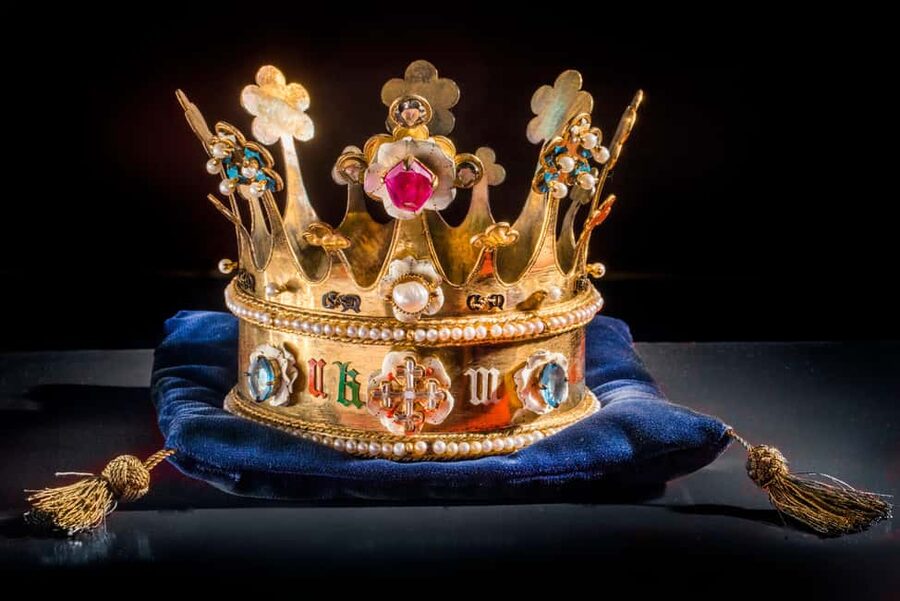
Book it if you like museums that mix history with hands-on learning, and especially if you can structure your visit around the 12h15 diamond polishing demonstration. The included demo and the interactive lab are the strongest reasons to spend your time and money here.
Skip or reconsider if you want a guided tour, or if your day’s schedule makes it likely you’ll arrive after the demo time. Since the museum access is tied to your one-day ticket and the polishing show is at a fixed daily hour, late timing can leave you feeling like you came for the show and missed it.
If you want a practical diamond-focused stop in Bruges that goes beyond glass cases, this ticket can deliver. Just show up prepared to watch, learn, and look again.
FAQ
How long is the Diamond Museum Bruges ticket valid?
The ticket is valid for 1 day.
What does the ticket cost?
The price is $14 per person.
What is included with my ticket?
You get access to the Diamond Museum Bruges and the daily diamond polishing demonstration at 12h15.
Is a guided tour included?
No, guided tour is not included.
When is the diamond polishing demonstration?
It runs daily at 12h15.
What can I see in the museum besides the demonstration?
You can explore an interactive lab, learn about the history of diamond polishing in Bruges, and view the treasury, including the Jumbo Diamond.
What is the Jumbo Diamond?
It is the largest rough diamond in the country.
Is the museum accessible for wheelchair users?
No, it is not suitable for wheelchair users.
Do I need to pay right away?
You can reserve and pay later.
Is free cancellation available?
Yes, you can cancel up to 24 hours in advance for a full refund.
The latest Bruges write-ups
- 2-Hour Private Walking Tour of Bruges★ 5.0 · 13 reviews
- Explore the Instaworthy Spots of Bruges with a Local★ 5.0 · 3 reviews
- Discover Bruges while playing! Escape game – The alchemist★ 4.5 · 3 reviews
- Photo Tour “Jan van Eyck”★ 4.0 · 7 reviews
- 6 Hour Bruges Shore Excursion from Zeebrugge Cruise Port★ 4.5 · 23 reviews
- Self-Guided Secrets Tour – Explore Bruges & Miss nothing★ 5.0 · 4 reviews
- Discover the secrets of Bruges by playing!★ 4.5 · 7 reviews
- Secrets of Bruges: Walking Tour With a Chocolate and Waffle Bite★ 5.0 · 27 reviews
Diamond District Tours, compared.
Private Antwerp’s Diamonds and Jewellery Old City Center Historic Tour
Read our review →
Browse the lists this tour appears in