
REVIEW · WALKING TOURS
Liege Private Walking Tour
Liège’s past is louder than you expect. This 90-minute private walking tour follows Liège’s story from early roots through the Liège Wars, Counter-Reformation twists, and the aftermath of the Thirty Years’ War, all while you walk the old streets of Wallonia’s Meuse River city. It’s the kind of tour that helps you understand why Liège felt worth fighting over for centuries.
I especially like the mix of big historical moments with real places you can actually point at, like the 12th-century Romanesque Church of St. Bartholomew. I also enjoy the atmosphere of the pedestrian Carré area, where you get a sense of modern Liège right next to the heavier chapters of the past.
One thing to consider is language matching. The tour runs in English and German, but one booking experience shows it may not always match what you expected, so plan to be flexible.
In This Review
- Key things to know before you go
- Entering Liège’s story at the Meuse River crossroads
- Romanesque St. Bartholomew and the Carré streets you can actually enjoy
- From Pre-Roman roots to the Liège Wars, the city becomes a character
- Counter-Reformation Liège, where faith and power move together
- The Thirty Years’ War, why timing matters
- Habsburg to French rule, the “who controlled Liège” thread
- Price and group size: is $309 for up to 15 worth it?
- Guide languages and what to do if your group has mixed needs
- How to get the most out of 90 minutes
- Who should book this Liège private walking tour
- Should you book? My honest take
- FAQ
- Where does the tour meet?
- How long is the Liège private walking tour?
- How much does the tour cost?
- Is the tour private?
- What languages is the guide available in?
- Are entrance fees included?
- Can the tour be customized?
- What is the cancellation policy?
- Is there a way to book without paying immediately?
- Will there be starting times?
Key things to know before you go
- A local guide only for your group: no crowd shuffle, just Q and A as you walk.
- Architecture meets hard history: Romanesque Liège anchors the war stories.
- You’ll focus on eras that shaped the city: Pre-Roman, Liège Wars, Counter-Reformation, Thirty Years’ War.
- Carré pedestrian streets are part of the feel: shops and local life, not just monuments.
- Customization is possible on the spot: ask your guide to steer you a bit.
- Entrance fees are not included: most of the value is seeing and learning outdoors.
Entering Liège’s story at the Meuse River crossroads
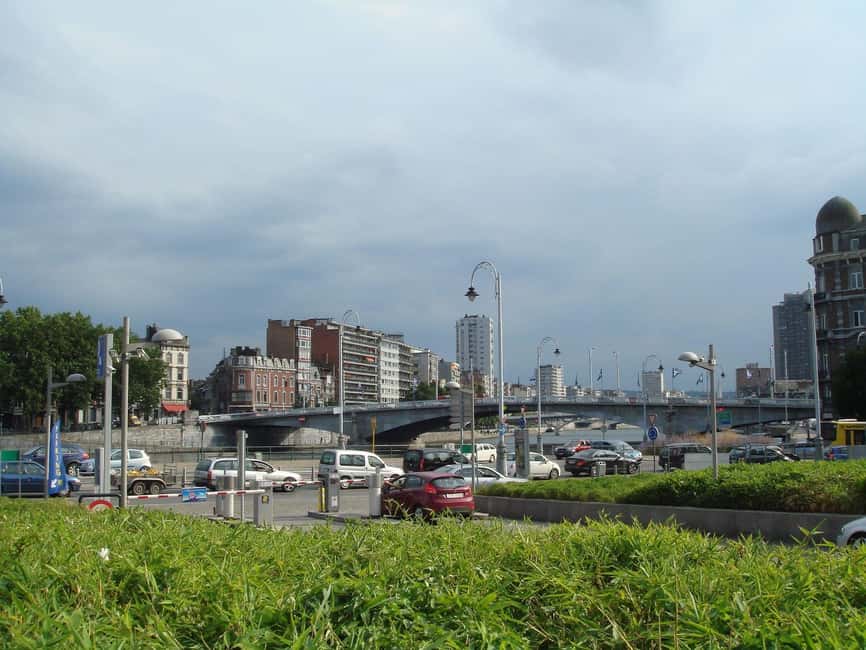
Liège is the kind of city where the present feels close to the past, because it was always in the middle of things. The Meuse River matters here, not as a postcard detail, but as a strategic corridor that helped turn Liège into a fought-over jewel. That explains why your guide can connect ruins, churches, and street layouts to centuries of conflict and political change.
What makes this tour work so well is the time frame. Ninety minutes sounds short, but it forces a tight narrative, not a marathon lecture. You get a clear “why” behind the city, and you walk out with enough context to read the streets on your own later.
You’ll start at Visitez Liège, Liège tourisme, Quai de la Goffe 13, 4000 Liège. From there, the guide turns the walk into a guided timeline, moving between themes like Counter-Reformation power shifts and later foreign rule. It’s a practical way to get your bearings without wasting the first day of your trip trying to figure out what matters most.
A few more Liege outings worth a look
- Liege Walking Tours
★ 4.5 · 50 reviews - Bruges: Small Group Boat Cruise and Guided Walking Tour
★ 4.8 · 4,102 reviews - Historical Walking Tour: Legends of Bruges
★ 5.0 · 2,541 reviews
Romanesque St. Bartholomew and the Carré streets you can actually enjoy
One of my favorite parts of any walking tour is when it lands on a specific building you can remember. Here, the 12th-century Romanesque Church of St. Bartholomew is a key anchor. Romanesque architecture tells you a lot with relatively simple language, thick forms, sturdy proportions, and a sense of continuity that contrasts with the chaos of later centuries.
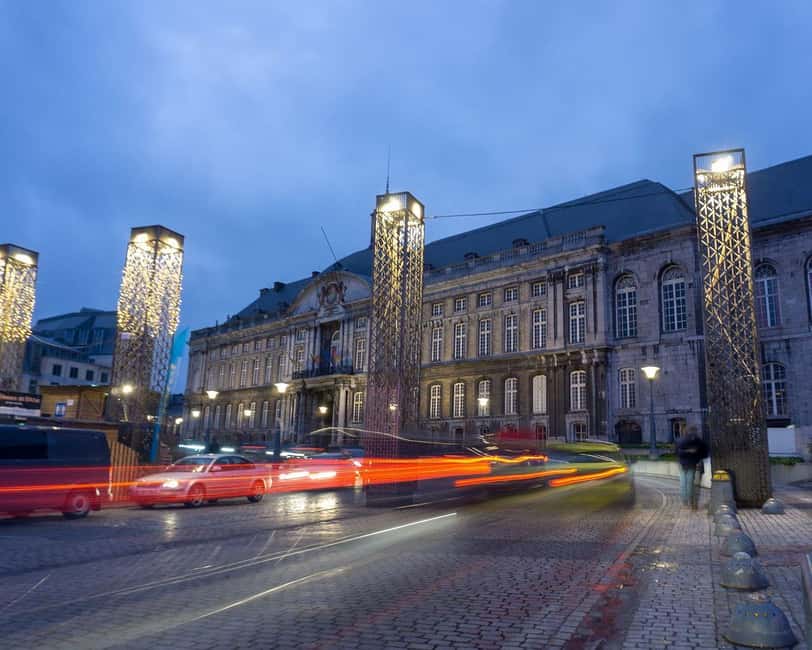
You’ll also spend time in the Carré, Liège’s pedestrian area lined with shops. This is important, because a city that only looks at wars can feel heavy. The Carré gives you contrast, the everyday rhythm where locals stroll, buy, and pause between errands. I like tours that blend those modes, because it helps you experience Liège as a living city, not a museum set.
If you’re the type who likes to take architecture seriously, this is a nice balance. You’ll get enough guidance to understand why certain places mattered, without turning the walk into a checklist of facts. And if your group wants a slower pace to take photos near St. Bartholomew, a private setup makes that easier.
From Pre-Roman roots to the Liège Wars, the city becomes a character
Liège’s deep roots go further back than most people expect. Your guide sets the stage from Pre-Roman times, helping you see how long the region stayed important even before later political labels took over. That early context matters because it explains why later “turning points” were not random. They were the continuation of a long strategic story.
Then the tour shifts into the Liège Wars, the tumult that shaped the city’s reputation. This is where the walk starts to feel like a real drama, not just a timeline. Your guide links the turbulence to changes in authority and local power struggles, so you’re not just hearing names and dates. You’re understanding how conflict keeps rewriting what people build, value, and protect.
One of the most praised strengths of this experience is how the guide brings that history to life with personality. People singled out Joseph Gerkens for incredible knowledge and for making the story feel approachable and friendly. That kind of pacing helps, because war history can get dry if the guide reads it like a textbook. With the right guide, it becomes a story you can follow.
Counter-Reformation Liège, where faith and power move together
The Counter-Reformation era can sound like a topic that belongs in a classroom. In Liège, it becomes more practical because it’s tied to how cities organize authority, identity, and public space. Your guide walks you through what changes during that period and why those changes leave visible traces in the city’s character.
Here’s what I find valuable for you as a traveler: you’ll learn to recognize that religious movements weren’t separate from politics. They affected institutions, governance, and the way communities defended their place in the world. Even if you’re not a hardcore history buff, that connection makes the city feel more coherent.
This is also where a private guide shines. If you ask a question about what you’re seeing, the guide can steer you into a detail that matches your interest level. It might be about architecture, or it might be about the logic of rule and resistance. Either way, the goal is the same: help you connect past decisions to physical places.
More things to do in Liege:
- The Battle of the Bulge Experience – A day tour from Brussels
★ 5.0 · 29 reviews - Castle Guided Tour (English)
★ 4.0 · 16 reviews - e-Scavenger hunt Liège: Explore the city at your own pace
★ 4.0 · 16 reviews - Discover Durbuy by playing! Escape game – The alchemist
★ 3.5 · 14 reviews
The Thirty Years’ War, why timing matters
The Thirty Years’ War is one of those events people know by name, but it’s easy to treat it like generic European background noise. This tour helps you anchor it to Liège, and more importantly, to the kind of shock that prolonged conflict causes. Your guide connects the repercussions to how the city continued to evolve afterward.
I like the way this tour frames big wars as lived consequences. When you know the city’s strategic position, the idea that it gets pulled into broader conflicts makes immediate sense. That’s a key travel skill: once you understand why a place is vulnerable or valuable, history stops feeling random.
And again, the guide style matters. Several comments praised the guides for being fun and engaging, including Hilbert and Karl in particular. One booking noted that Karl took a lot of time, which is a real quality in a 90-minute walk. It means the guide didn’t rush past the turning points, so you can actually follow the story instead of skimming it.
Habsburg to French rule, the “who controlled Liège” thread
After so many centuries of conflict, you need a thread that explains shifting control. This tour follows Liège’s evolution from Habsburg to French rule, showing how bigger European powers shaped local reality. It’s not just about who was in charge on paper, but what that meant for everyday life, institutions, and the long-term direction of the city.
If you like political history, you’ll appreciate how the tour treats these transitions as part of the same storyline. The wars and religious tensions prepare the ground for later rule changes. Then the Habsburg-to-French shift becomes another chapter in Liège’s ongoing negotiation with outside power.
This is also where your guide’s ability to adapt makes a difference. One experience described a guide who stepped in smoothly, even when language expectations weren’t met. That kind of flexibility can turn a potentially frustrating situation into a good one, because the guide can keep your group moving and informed without losing clarity.
Price and group size: is $309 for up to 15 worth it?
Let’s talk value the way I would for my own travel plans. The price is $309 per group, up to 15 people, for 90 minutes. That’s a strong deal if you’re traveling as a family, a couple with friends, or a small group who wants private attention without paying per person like it’s a museum audio guide.
To judge value, look at what you actually buy with a private walking tour. You’re paying for a local guide with your group only, and for the ability to tailor the pace. If your group includes mixed interests, private helps, because the guide can keep pulling you into the story in a way that matches everyone’s curiosity.
Also, entrance fees are not included. That’s not necessarily a drawback because a lot of the value is in the walk, the architecture you can see from the street, and the history context that your guide supplies. Just know that if you later decide you want to go inside somewhere, you’d likely pay separately.
In short, if you want a guided “Liège in one hour and a half” that doesn’t depend on group tours or audio apps, this pricing structure makes sense.
Guide languages and what to do if your group has mixed needs
The tour is offered in English and German, and it’s a live guided experience. That’s ideal if you’re confident in either language or if your group can share understanding. Still, one booking experience mentioned that a German-speaking guide wasn’t provided as expected, and the group received English instead, with the update arriving about a day before.
Here’s my practical advice: if language matters a lot, don’t assume it will match perfectly at the last minute. When you book, confirm the language requirement directly. If you arrive and it’s not what you expected, the good news is that the guides have shown the ability to adjust and keep things workable, including translating so others could follow along.
This is where a private format helps you more than you might think. If someone in your group needs extra support, there’s room to slow down and clarify. The guide’s job is to communicate, and the best ones do it with humor and patience.
How to get the most out of 90 minutes
A 90-minute tour is a sprint, but it can still feel deep if you’re ready for the pace. Before you meet the guide, decide what you want most: architecture like St. Bartholomew, political history like Habsburg to French rule, or the conflict thread from the Liège Wars through the Thirty Years’ War.
Once you’re walking, ask at least one question that connects what you’re seeing to what you’re hearing. For example, you can ask why Romanesque buildings tend to survive when later eras bring change. Or ask how a strategic location like the Meuse River influences the kinds of wars that happen.
Also, use the customization option. The tour notes that you can potentially customize on the spot with your local guide. That’s a simple way to turn a standard tour into something more personal, like spending extra time in the Carré for atmosphere or focusing more on the religious and political shifts.
If your group likes photos, plan a few pauses for key stops, especially around St. Bartholomew. Private tours make those interruptions easier than in a mass group.
Who should book this Liège private walking tour
This experience is a great fit if you want history that’s connected to real places. If you’re traveling to Wallonia and you already know you’ll visit Liège, this tour helps you understand why the city matters beyond its skyline.
It’s especially good for:
- Couples and small groups who want a private guide without wasting time.
- People who like war and political history, but don’t want it in a lecture format.
- Architecture fans who want a quick hit at Romanesque Liège and then story to go with it.
- Travelers who value local personality, where guides like Joseph Gerkens, Hilbert, and Karl have been praised for knowledge and pacing.
It might be less ideal if you only want free time and wandering. This is a structured narrative tour, so you’ll be walking and listening more than drifting.
Should you book? My honest take
I’d book this tour if you want a fast, guided way to understand Liège’s big chapters, from Pre-Roman roots through the Liège Wars, Counter-Reformation era, the Thirty Years’ War, and the Habsburg to French rule shift. The combination of a focused 90 minutes, a single local guide for your group, and the chance to connect history to recognizable places like St. Bartholomew and the Carré makes the experience practical, not just interesting.
One caveat is language matching. If your group absolutely needs German, confirm it before you go and have a backup plan. Other than that, the guide quality seems to be the big reason people leave happy, with clear praise for knowledge, humor, and taking time to adjust.
If you’re aiming to get more out of Liège than a casual stroll, this private walking tour is one of the better ways to do it.
FAQ
Where does the tour meet?
The meeting point is Visitez Liège – Liège tourisme, Quai de la Goffe 13, 4000 Liège, Belgium.
How long is the Liège private walking tour?
It lasts 90 minutes.
How much does the tour cost?
The price is $309 per group, up to 15 people.
Is the tour private?
Yes. It is a private group tour with a local guide who will be with your group only.
What languages is the guide available in?
The tour is available in English and German.
Are entrance fees included?
No. Entrance fees are not included.
Can the tour be customized?
Yes. There can be possible customizing on the spot with your local guide.
What is the cancellation policy?
You can cancel up to 24 hours in advance for a full refund.
Is there a way to book without paying immediately?
Yes. You can reserve now and pay later to keep your plans flexible.
Will there be starting times?
Yes. Check availability to see starting times for the 90-minute tour.
The latest Liege write-ups
- Namur: Escape Game in the city – The Alchemist★ 4.0 · 5 reviews
- e-Scavenger hunt Namur: Explore the city at your own pace★ 3.5 · 5 reviews
- Discover the secrets of Namur while playing! Escape room★ 4.0 · 5 reviews
- Children’s escape game in the city of Liège Marsupilami★ 4.0 · 3 reviews
- Children’s escape game in the city of Durbuy Marsupilami★ 4.5 · 4 reviews
- Castle Guided Tour (English)★ 4.0 · 16 reviews
- Segway tours Liège★ 4.4 · 3 reviews
- Liege Scavenger Hunt and Highlights Self Guided Audio Tour★ 4.0 · 9 reviews
Walking Tours, compared.
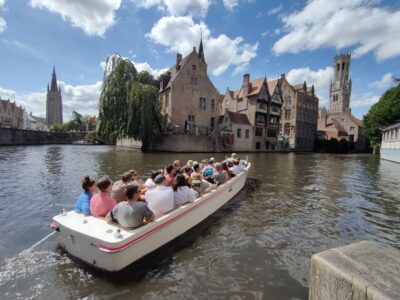
Small Group Boat Cruise and Guided Walking Tour
Read our review →

Historical Walking Tour with Chocolate & Waffle Tasting
Read our review →
Brussels Walking and Tasting Tour (Beers,Chocolates&Fries/Waffle)
Read our review →
Browse the lists this tour appears in