
REVIEW · HISTORICAL TOURS
Ghent: Private Tour in Historical Center
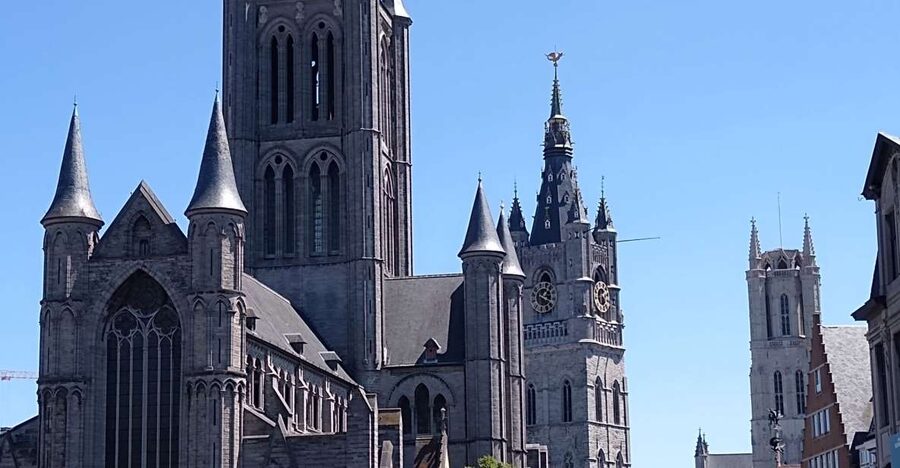
Ghent’s medieval heart is made for walking. This private 2-hour stroll is a smart way to get the big landmarks in without feeling rushed, and I love how the route links monuments to stories you can actually picture. You’ll start with Saint Bavo’s Cathedral on Sint-Baafsplein, then move through the medieval trading world of the Cloth Hall and guild areas, which makes the past feel close. One possible drawback: it is a compact tour, so if you want lots of time inside buildings, you might feel a bit “outside-view focused.”
My other favorite part is the way the walk lands you at the places that explain Ghent’s power, not just its pretty facades. The stops around the Counts’ Castle, the City Hall, and the old harbor area help you see why this city mattered between the rivers Lys and Scheldt. If you’re coming on a busy day, the cathedral and riverside viewpoints can be crowded, so patience helps.
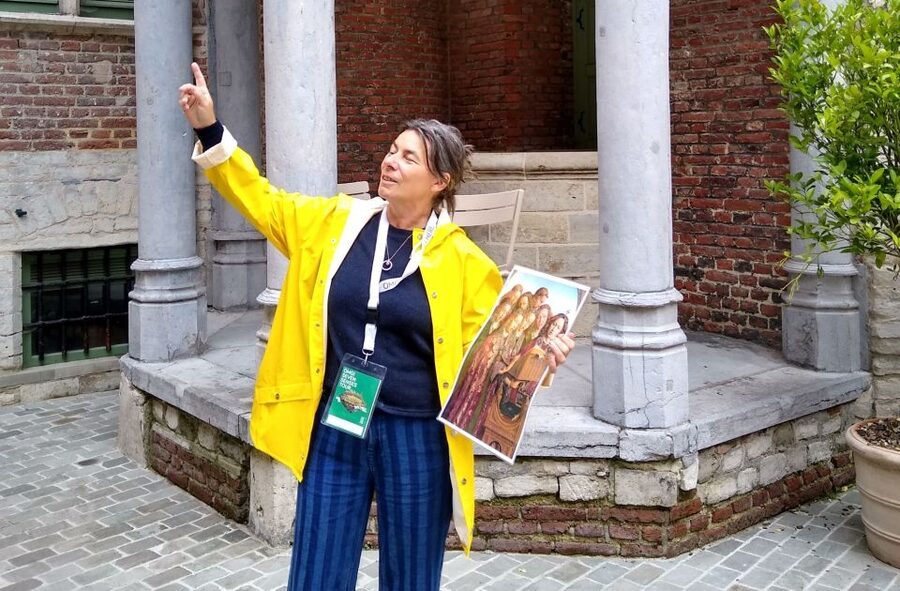
You also get a guide who can adapt to your pace and interests, which matters more than people expect on a short tour. In one run I learned about, a guide named Ann was praised for being professional, friendly, and for adjusting plans when someone wanted to see the beginner area. That flexibility is a real value add for first-timers.
In This Review
- Key points before you go
- Entering Ghent’s Kuip at Sint-Baafsplein
- Saint Bavo’s Cathedral, plus the skyline you can’t miss
- Cloth Hall and the medieval trading mindset
- City Hall and the feeling of civic power
- The Castle of the Counts: power you can walk up to
- Imagining the Middle Ages between guild houses
- Great Butchers’ Hall and regional food context
- Old harbor and the riverfront wow, Graslei and Korenlei
- St Michael’s Bridge: three towers and a better selfie angle
- How the 2 hours actually feels on the ground
- Who this tour suits best
- Price and value, $147 for up to 5 people
- Should you book this Ghent private historical walk?
- FAQ
- Where does the tour start?
- How long is the tour?
- Is this a private tour?
- What languages are available?
- What are the main sights included?
- Can you taste local food during the tour?
- Is the tour wheelchair accessible?
- How much does it cost?
- What about cancellation and payment flexibility?
Key points before you go
- Sint-Baafsplein landmarks: Cathedral, Belfry, and Cloth Hall set the medieval tone immediately.
- Castle of the Counts + patrician houses: you walk from civic power to old wealth in a short stretch.
- Great Butchers’ Hall: you get the regional food context, with local specialties available to taste.
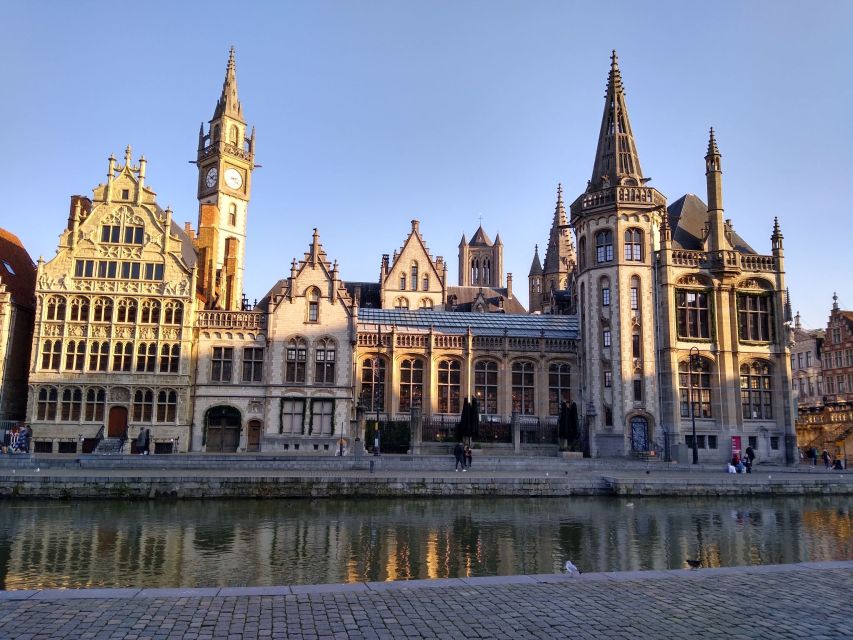
- Graslei and Korenlei riverfront: guild houses and grain warehouses create that classic postcard river look.
- St Michael’s Bridge viewpoints: you get a special view of the city’s three towers, plus a selfie moment.
- Private group format: up to 5 people for $147, making it easier to ask questions and move at your speed.
Entering Ghent’s Kuip at Sint-Baafsplein
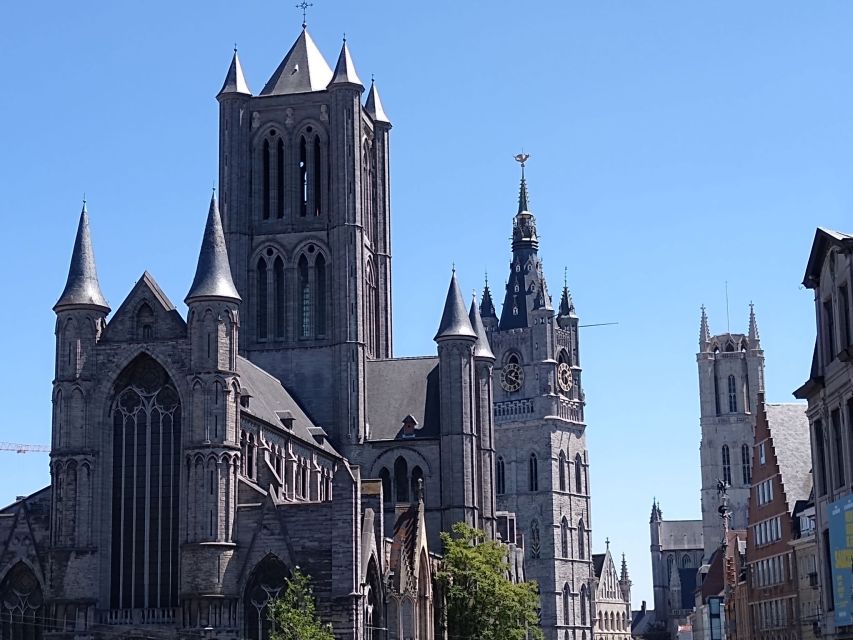
This tour works because it starts in the right place. The walking begins on Sint-Baafsplein, right by Saint Bavo’s Cathedral, where Ghent’s medieval identity is visible all at once. You are not just seeing a church. You are starting at a civic anchor, with the Belfry and the Cloth Hall in the same zone, so you can connect religion, city administration, and trade power quickly.
What I like about this kind of start is that you get orientation fast. Within minutes, you know where the main landmarks sit, and that makes the later riverfront views feel like a payoff instead of a random stroll. If you have only a short time in Ghent, this opening is a strong use of it.
More Historical Tours in Ghent
- Historical Walking Tour: Legends of Gent
★ 5.0 · 1,761 reviews - Ghent: 40-Minute Historical Boat Tour of City Center
★ 4.3 · 430 reviews - Private Historical Tour: The Best of Ghent
★ 5.0 · 115 reviews
Saint Bavo’s Cathedral, plus the skyline you can’t miss
Saint Bavo’s Cathedral is the first big visual moment. Even if you don’t plan to go inside, the exterior area helps you understand why this part of town became a center of influence. The cathedral, the Belfry, and the Cloth Hall together tell a story about what a medieval city built when it wanted to show off both devotion and ambition.
Here is the practical angle: this is where you can take your first photos and still get something more useful than a snapshot. As you stand near the cathedral zone, the guide can frame what you are looking at, including how Ghent’s medieval center developed between the river Lys and the river Scheldt. That geographical context is what turns the buildings from “pretty” into “legible.”
If you are sensitive to crowds, try to keep your expectations flexible here. Cathedral areas can draw visitors, and this tour is only 2 hours, so you will want to move efficiently once your photo time is done.
Cloth Hall and the medieval trading mindset
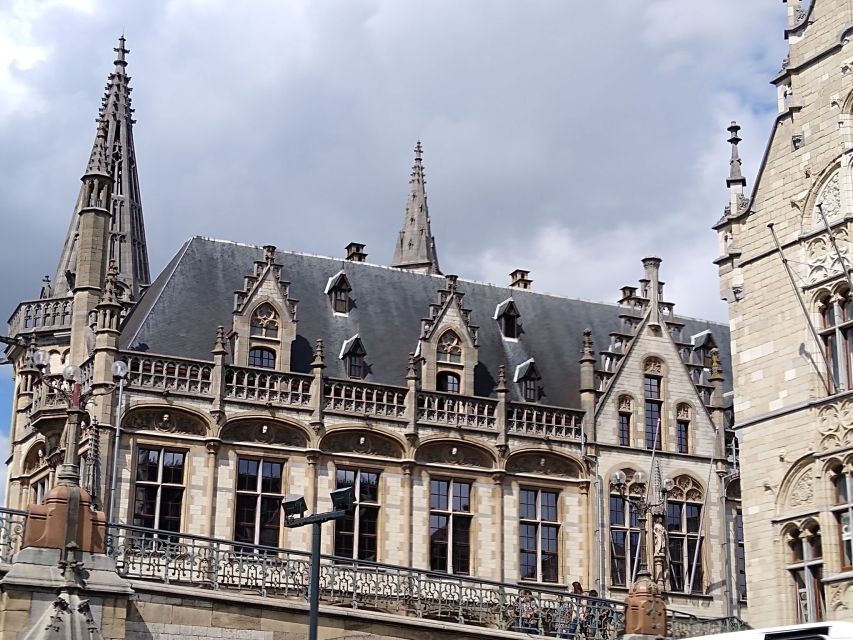
After the cathedral area, you shift toward the trade side of Ghent. The tour references the Cloth Hall as a key medieval symbol, and that matters because it changes how you read the rest of the walk. Guild towns were not just about markets. They were about rules, status, and the systems that let ordinary people rise through craft and commerce.
You also pass patrician houses, which are an early clue that Ghent’s wealth was tied to commerce, not just aristocratic land. The look of the facades is part of it, but the bigger value is learning what those streets represented in the Middle Ages. Within a short walking loop, you go from “I see old buildings” to “I get why these buildings were built this way.”
City Hall and the feeling of civic power
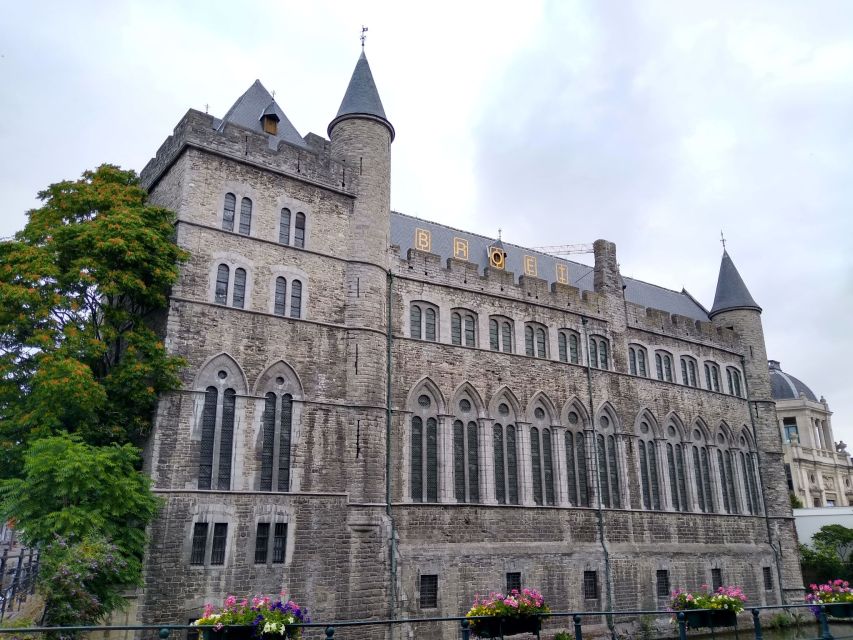
The City Hall stop is where the tour’s tone becomes more civic. Ghent was not a one-note medieval town that only cared about churches. It had formal governance, and you can feel that shift as you move from trade symbols toward administration.
This is the part that can really help you if you like architecture and art history, because you are learning to read buildings like documents. Even when you are moving on foot, the guide’s explanations help you see which structures reflect wealth, which reflect public authority, and which reflect communal life.
It’s also one of the best stretches for questions. If you are the type who wonders how decisions were made back then, this is an easy moment for your guide to connect the dots.
A few more Ghent outings worth a look
- Bicycle tour in historic Ghent
★ 5.0 · 87 reviews - Chocolate history workshop Ghent
★ 5.0 · 34 reviews - Small Group Ypres Remembrance Day Filled With War History
★ 5.0 · 31 reviews - Ghent: Private Historical Highlights Walking Tour
★ 4.5 · 17 reviews
The Castle of the Counts: power you can walk up to
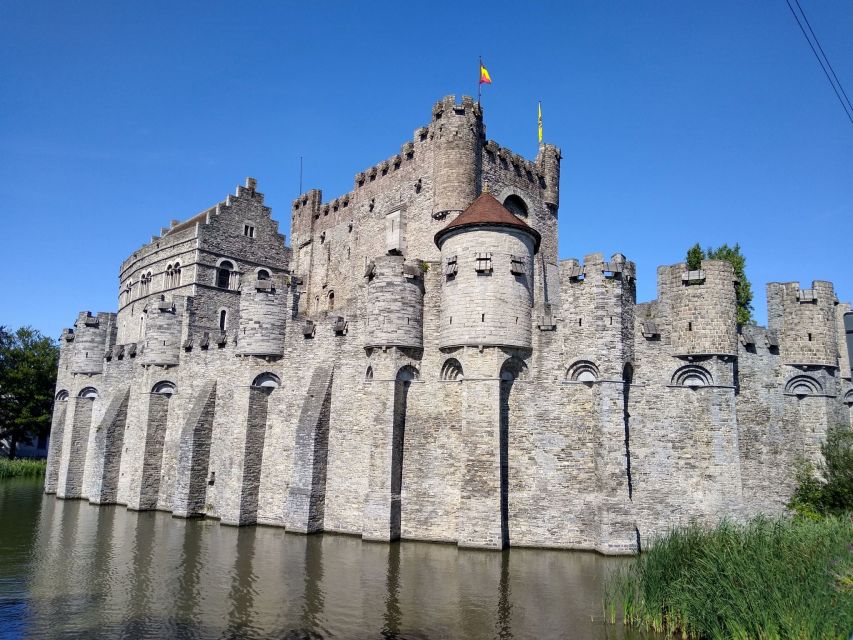
Next comes the Castle of the Counts, a dramatic reminder that Ghent’s medieval center was shaped by political control as much as trade. The Counts’ Castle is not subtle. It sits in the city’s fabric like a statement, which makes it a strong contrast to the earlier market and guild areas.
I like this stop because it breaks the usual “cathedral then shopping streets” pattern. You get the sense that medieval cities were constantly balancing different kinds of power: religious, civic, and territorial.
Practical note: the castle area is short-walk connected, so you won’t feel like you need a full separate visit. If you do want deeper time, this tour still gives you enough context to come back later with a more specific plan.
Imagining the Middle Ages between guild houses
One of the tour’s core pleasures is how it sends you through the Kuip center to see guild houses and the built forms tied to medieval trades. This is where the walk starts to feel like a “time travel” exercise, but with real-world footing. You look at streetscapes and the guide’s framing helps you imagine what daily life might have been like.
The value here is not just nostalgia. It is pattern recognition. You start noticing what different types of buildings signaled in medieval society. You also start understanding how “craft” and “status” were linked, because guilds were the engines of skilled work and local economic strength.
If you enjoy architecture, this stretch will feel satisfying because you are not just staring at one landmark. You are reading a whole neighborhood as one big picture.
Great Butchers’ Hall and regional food context
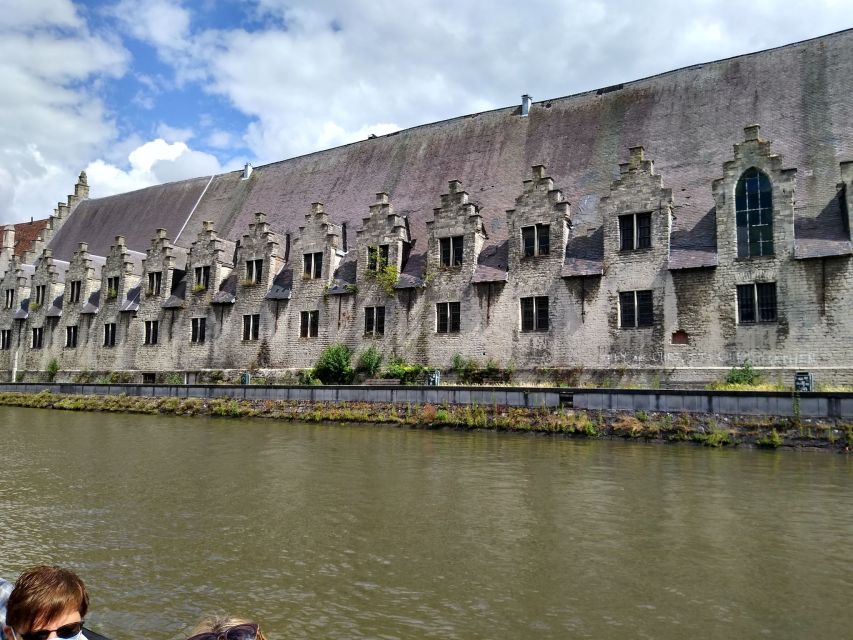
The tour includes the Great Butchers’ Hall as a key stop, and the intent is clear: Ghent’s medieval life involved food, trade, and regulated business. The idea is to give you regional context, and there is an option to taste specialties of the region there.
This is a smart add for a short tour. A lot of walking tours skip the food angle or treat it as an afterthought. Here, the market and craft themes are already in your head, so the food stop feels like a natural continuation rather than a surprise.
One consideration: the tour includes the experience context, but chocolate tasting is not included. If you want sweets, you can plan that separately at the end if you feel like it.
Old harbor and the riverfront wow, Graslei and Korenlei
Then the walk shifts to the old harbor zone, described as the beating heart of Ghent. This is where the city opens up. You get toward the waterside areas, and you can finally see how the rivers shaped everything.
The standout here is Graslei and Korenlei, the classic riverside stretch lined with guild houses and grain warehouses. This is the moment when the medieval story becomes visual. Trade moved through water, grain and goods were stored and exchanged nearby, and the buildings along the banks reflected that economic gravity.
If you like photos, you will understand why people keep returning to this stretch. The views are iconic, and the guide helps you place what you are looking at so it is not only pretty, it is meaningful.
St Michael’s Bridge: three towers and a better selfie angle
From St Michael’s bridge, you get a unique view of the city’s three towers, Ghent’s big landmarks. This is one of those “small time, big impact” moments. The bridge gives you a perspective that you likely would not pick on your own, especially if you are walking without local orientation.
The tour also includes a built-in selfie moment with the local guide from Walkingent. That sounds minor, but it actually helps if you are traveling with a friend or partner and you want decent photos without juggling your phone every five seconds.
If you are short on time, this bridge viewpoint is also a practical way to confirm you are oriented. Once you see the towers from here, it is easier to connect earlier landmarks back to what you see later.
How the 2 hours actually feels on the ground
The duration is 2 hours, and that length is a sweet spot for many first-time visits. You get a meaningful slice of the historical center, including the big hitters on Sint-Baafsplein, the Counts’ Castle, the Great Butchers’ Hall, and the riverfront.
Because it is private, the pacing usually stays comfortable. You are not waiting around for a large group to regroup. Also, the format helps with question time. If something clicks for you, you can spend an extra minute on it, and your guide can keep things flowing without cutting you off.
With that said, two hours can be intense if you are the kind of traveler who loves long stops. This tour is a walk-and-learn experience. If you want longer museum-style time, you might prefer combining it with a later independent visit to whatever grabs your attention most.
Who this tour suits best
This is a great fit if you:
- want the main medieval Ghent sights in a single short outing
- care about architecture and art history, not just scenery
- like learning stories that make buildings make sense
- travel as a private group up to 5, where you can ask real questions
- want a guide available in French, Dutch, or English
It is also wheelchair accessible, which matters for a city where cobblestones and tight streets can be tricky on your own. If you are using a wheelchair or mobility aid, this is the kind of guided route that reduces guesswork.
If you are traveling solo, a private group option can still be worth it because you get flexibility and attention, rather than being shuffled through at group pace.
Price and value, $147 for up to 5 people
At $147 per group up to 5, the price is usually best when you travel with at least one other person. The math is simple: splitting the group cost lowers the per-person rate, and you still get a private guide.
But even without doing the per-person math, value comes from how the tour is structured. You are not only seeing highlights like the cathedral, the Counts’ Castle, and the riverfront. You are getting a guided reading of Ghent’s medieval core, with qualified guidance and a walk that connects monuments to the city’s trading and civic identity.
For short stays, this kind of guided orientation is a bargain. Ghent is walkable, but it is also easy to wander past significance without realizing it. Paying for a focused 2-hour guide is how you avoid that.
Should you book this Ghent private historical walk?
I’d book this tour if you want a well-paced introduction to medieval Ghent’s central loop, especially the cathedral and Belfry area, the civic and castle stops, and the riverfront views around Graslei and Korenlei. It is also a strong pick if you care about architecture, because the walk is built around how the city worked, not just how it looks.
Hold off if you want a longer, inside-the-buildings style day. This experience is built for efficient walking and interpretation. It gives you the key anchors so you can plan follow-up time on your own, later, with more targeted curiosity.
If you do book, go in with one simple goal: get your bearings fast, then let the guide help you see the medieval logic behind each landmark. You will leave with a clear picture of why Ghent grew where it did, between the river Lys and the river Scheldt.
FAQ
Where does the tour start?
The meeting point is in front of Saint Bavo Cathedral. You should look for the WalkinGent logo.
How long is the tour?
The tour lasts 2 hours.
Is this a private tour?
Yes. It is a private group experience.
What languages are available?
The live guide speaks French, Dutch, and English.
What are the main sights included?
You’ll see Saint Bavo’s Cathedral, the Belfry, the Cloth Hall, City Hall, the Castle of the Counts, the Great Butchers’ Hall, the old harbor area, guild houses and grain warehouses, plus a viewpoint from St Michael’s bridge.
Can you taste local food during the tour?
The tour includes the Great Butchers’ Hall, where you can taste regional specialties. Chocolate tasting is possible at the end, but it is not included.
Is the tour wheelchair accessible?
Yes, the tour is wheelchair accessible.
How much does it cost?
The price is $147 per group up to 5.
What about cancellation and payment flexibility?
You can cancel up to 24 hours in advance for a full refund. There is also a reserve now and pay later option, so you do not have to pay immediately.
The latest Ghent write-ups
- Walking Food Tour in Ghent★ 5.0 · 13 reviews
- Ghent Walking Tour with Audioguide on Your Smartphone★ 4.5 · 13 reviews
- Discover Ghent while playing! Escape game – The Walter case★ 4.5 · 4 reviews
- Discover Mons while playing! Escape game – The alchemist★ 4.0 · 5 reviews
- Sunset cruise★ 5.0 · 19 reviews
- e-Scavenger hunt Mons: Explore the city at your own pace★ 5.0 · 4 reviews
- Discover Ghent while playing! Escape game – The alchemist★ 4.0 · 4 reviews
- Private Hidden Gems Walking Tour in Ghent★ 5.0 · 12 reviews
Historical Tours, compared.
Historical Tour with Chocolate & Waffle Tasting
Read our review →
Historical Walking Tour with Chocolate & Waffle Tasting
Read our review →
THE Storytelling Tour of Bruges | First Day Must | History & Tips
Read our review →
Browse the lists this tour appears in