
REVIEW · WALKING TOURS
Brussels Off the Beaten Path: Private Local Walking Tour
Brussels has a quieter side. This private local walking tour threads together Place Saint-Géry and the included beer stop at Walvis Cafe, with medieval corners, market streets, and canal life that you would miss on a standard route. You get two big wins here: a guide who explains what you are seeing in plain language, and a smart mix of old and everyday Brussels. The one real trade-off is that it is about 3 hours on your feet, so plan for comfortable walking shoes.
I like that it is genuinely private, with only your group, and it runs in English. It is priced at $118 per person, and while it can feel “tour price” at first glance, you are paying for a local guide’s time plus a planned route that keeps things efficient, not rushed. Also, it tends to book up, with an average of 60 days in advance, so I would not wait too long.
In This Review
- Key highlights you should know before you go
- Why this Brussels private walk feels worth your time
- Starting at Pl. Saint-Géry 2, where old Brussels meets modern habits
- Place Saint-Géry and the Senne Courtyard, what to expect
- A possible consideration
- The playful Zinneke Pis stop that explains Brussels humor
- What to do during this quick stop
- A small drawback
- Place Sainte-Catherine: church square, shops, and the calmer side of shopping streets
- Why I like this stop
- Consideration
- Marché aux Poissons: seafood culture built on market history
- What you can expect at the fish market stop
- Possible drawback
- Rue du Marché aux Porcs: the pork-market street you can walk through in minutes
- Why this works
- Consideration
- Rue de la Cigogne: a small alley that feels like a pause button
- What to do here
- Possible drawback
- Walvis Cafe: the included beer or soft drink break
- What to expect
- Consideration
- Brussels Canal and the Kanaal area: industrial space becomes city culture
- What I would watch for along the canal stretch
- Consideration
- Comte de Flandre: a metro stop that signals a lively district shift
- Why include a metro stop in a walking tour
- Consideration
- Minoterie Farcy at Place de la Minoterie: a working-class flour mill story
- What you should do with this stop
- Consideration
- Place Communale: watching daily life unfold
- Why it is valuable
- Consideration
- Place Brunfaut to Boulevard Barthélémy: green spaces and street-level modernity
- What makes the ending satisfying
- Consideration
- Price and value: is $118 per person fair for a private 3-hour walk?
- Who gets the best value
- A quick look at pacing, language, and how to prepare
- Who should book this private Brussels walk?
- Should you book it? My straight answer
- FAQ
- How long is the Brussels Off the Beaten Path private walking tour?
- What is included in the price?
- Is this tour private or shared?
- What language is the tour offered in?
- Where does the tour start and where does it end?
- Do you need to pay admission at the stops?
- Is the meeting point near public transportation?
- What is the cancellation policy?
Key highlights you should know before you go
- A local guide-led route through small streets and public spaces, not just major squares
- Place Saint-Géry plus the Senne Courtyard for a medieval glimpse without the crowds
- Market street storytelling at Marché aux Poissons and Rue du Marché aux Porcs
- A real break at Walvis Cafe, with beer or a soft drink included
- Kanaal area to Comte de Flandre, where you see how the city repurposes old industrial space
Why this Brussels private walk feels worth your time
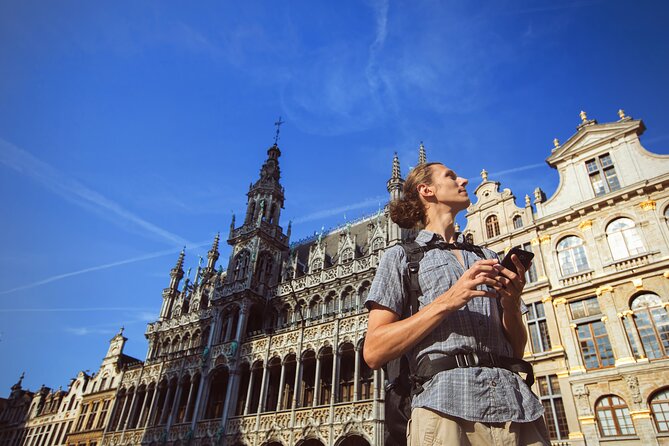
If you want Brussels that feels used by locals, this is the kind of tour that helps you get oriented fast. You start in Saint-Géry, move through quirky and historic public spaces, and end walking through parts of the city where daily life is the point, not just the backdrop.
The tour also has a good rhythm. Each stop is short, usually around 10 to 20 minutes, so you keep momentum and you still get enough time to look closely, take photos, and ask questions. I especially like that the itinerary bounces between big visual landmarks and smaller street scenes, so you do not feel stuck watching the same type of building for three hours straight.
One more practical win: most listed stops have free admission, and the tour includes a mobile ticket. That means fewer ticket headaches and more time spent moving. It is a private format too, so you are not stuck listening to the guide while half the group stops and starts.
More Walking Tours in Brussels
- Brussels: Historical Walking Tour with Chocolate & Waffle Tasting
★ 5.0 · 1,165 reviews - Brussels Walking and Tasting Tour (Beers,Chocolates&Fries/Waffle)
★ 5.0 · 929 reviews - Brussels Chocolate Walking Tour and Workshop
★ 4.5 · 885 reviews
Starting at Pl. Saint-Géry 2, where old Brussels meets modern habits
You begin at Pl. Saint-Géry 2, and that starting point matters. Place Saint-Géry is one of those Brussels squares where you can feel layers of time at once, old architecture sitting next to present-day energy. It is a strong warm-up, because you get the big visual cues quickly before your feet start clocking the smaller lanes.
What I like most is the way the tour uses the area for context, not just sightseeing. You get directed to Place Saint-Géry first, then you step into the hidden Senne Courtyard. That courtyard moment is brief, but it is the kind of stop that makes the whole walk click, because you suddenly see medieval Brussels in a calmer pocket away from the street noise.
Place Saint-Géry and the Senne Courtyard, what to expect
- You will look at architecture up close and get a sense of how this city grew and changed.
- The Senne Courtyard is the contrast point, a quieter place that helps you visualize earlier life in the same city.
A possible consideration
This part is short, around 20 minutes, so if you are the type who likes long museum-style time, you might want to circle back later on your own. On a 3-hour tour, you trade depth in one location for broader understanding across the day.
A few more Brussels outings worth a look
- Brussels: City Highlights Walking and Tasting Tour
★ 4.9 · 505 reviews - Brussels Tootbus Discovery Hop On Hop Off Bus and walking tours
★ 3.0 · 336 reviews - Brussels: Walking Food Tour with Chocolate, Beer, & Waffles
★ 4.7 · 318 reviews - Brussels: Chocolate Workshop and Guided Walking Tour
★ 4.6 · 263 reviews
The playful Zinneke Pis stop that explains Brussels humor
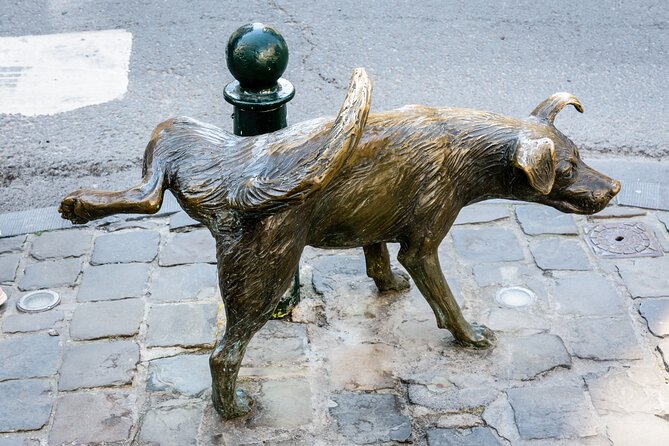
Next comes Zinneke Pis, the quirky peeing-dog sculpture. This is one of those objects you might notice quickly if you were walking around on your own, but the guide gives you the context that turns it from a photo op into a cultural clue.
Why it works on this tour: it breaks the pace without breaking the theme. Public art and street humor are part of how Brussels signals identity, and Zinneke Pis gives you a quick, human moment before you move into more structured places like church squares and market streets.
What to do during this quick stop
- Look at the surroundings around the sculpture, not just the sculpture itself.
- Take your photo, then listen for the story that connects it to Brussels’ other famous public-art traditions.
A small drawback
At about 10 minutes, this is not a slow, lingering stop. If you want a long arts-and-craft conversation, you might still enjoy this, but it will feel like a quick wink rather than a deep lesson.
Place Sainte-Catherine: church square, shops, and the calmer side of shopping streets
Place Sainte-Catherine is next, and the tour gives you a simple goal: stroll, look around, and take in the mix of older and newer architecture. This square is a good “breather” stop because it sits in that middle zone where locals shop, pass through, and pause.
You will also get time to explore the church area and nearby shops, which is useful if you like to understand cities the way people actually use them, not only how postcards frame them. Ten minutes is short, but it is enough to recognize the vibe and spot where you might want to return later.
Why I like this stop
- You see how a landmark square functions as a daily meeting point.
- It gives you a visual reset before the market district scenes.
Consideration
If you hit this stop when shops are closed, you will still get architecture and atmosphere, but the “nearby shops” part might feel less lively than you hoped.
Marché aux Poissons: seafood culture built on market history
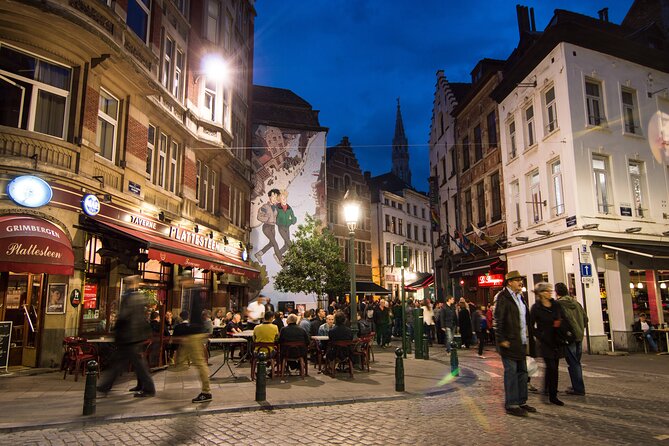
Then you step into the area around Vismet and the Marché aux Poissons. This is where the tour’s “working city” storytelling gets real. Once, this spot was a bustling fish market, and today you find restaurants lined up around the same kind of square energy.
Even if you do not plan to eat here, the guided walk is still valuable because you start noticing the relationship between past labor and present leisure. The buildings, the street plan, and the way people gather all help you understand how cities reuse space instead of rebuilding from scratch.
What you can expect at the fish market stop
- A quick look at how the square layout supports food culture.
- A guided explanation of the transformation from market day to dining day.
Possible drawback
At around 10 minutes, it is a “look and learn” moment. If seafood is your thing and you want a meal, you might want to plan dinner separately. The tour includes no lunch, so this area just helps you find the idea of where to go next.
Rue du Marché aux Porcs: the pork-market street you can walk through in minutes
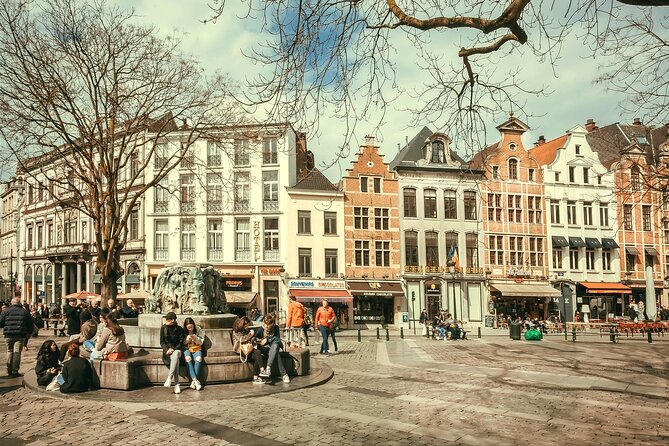
From there, you continue to Rue du Marché aux Porcs. The street name alone hints at what used to happen here, and the tour helps you see how the historic market purpose left fingerprints on the urban layout.
You walk this street at a relaxed pace, with time to notice the mix of shops and cafés that now occupy spaces shaped by older commerce. It is a good reminder that “market districts” are not just one location. They are networks of streets, and the city reads differently once you start connecting those names to their past jobs.
Why this works
- It is practical city history you can literally walk through.
- You learn to interpret street names as clues, which makes your Brussels self-guided time better too.
Consideration
The stop is short, about 10 minutes. If you like to photograph street life, you may want to slow down after the tour ends to spend extra time here.
Rue de la Cigogne: a small alley that feels like a pause button
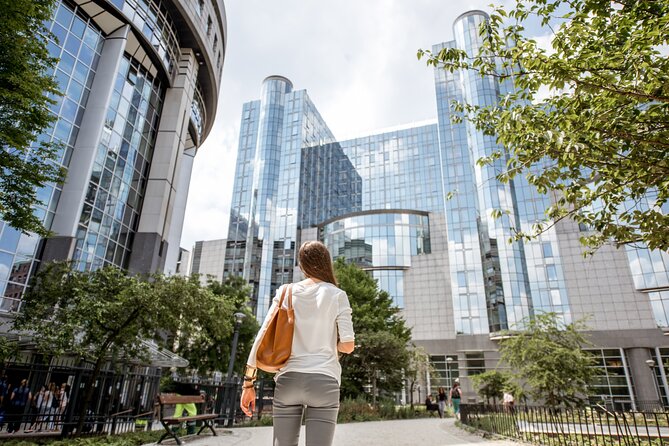
Next comes Rue de la Cigogne, an authentic alley hidden in the heart of Brussels. This is the kind of street that feels more intimate than the big squares, and it is a helpful change after market streets.
The value here is not a major monument. It is the scale shift. You see how Brussels can go from open space to narrow passage quickly, and the guide’s talk helps you treat these side streets as part of the city’s real fabric.
What to do here
- Walk slowly enough to take in doorways, street texture, and the narrow perspective.
- Keep your camera ready, because this stop is mostly visual.
Possible drawback
Because it is an alley, it may feel less interesting if you prefer only large viewpoints or formal architecture. If you like lived-in street scenes, though, this is a sweet spot.
Walvis Cafe: the included beer or soft drink break
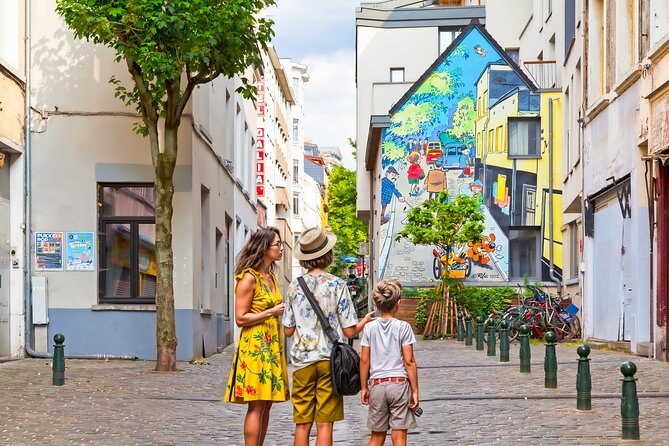
Here is one of the tour’s best practical touches. You stop at Walvis Cafe for a break with a beer or a soft drink included. This is around 20 minutes, so you get enough time to sit, drink, and reset your feet.
I like that this stop also keeps the tour grounded. You are not just learning about Brussels in theory. You are taking a small break in a real local bar setting. It also pairs naturally with the canal area later, because your drink stop becomes part of your walking rhythm.
What to expect
- An easy pause with a included drink.
- A chance to look toward the nearby canal area from the bar setting.
Consideration
If you avoid alcohol, go for the soft drink option. The tour states beer or soft drink is included, so you are covered.
Brussels Canal and the Kanaal area: industrial space becomes city culture
After your break, the tour heads to the Brussels Canal and the Kanaal area. This is one of the best “modern transformation” stories in the walk. The neighborhood moved from an industrial hub into a cultural hotspot, and you get to see that transition in how people use the waterfront paths.
The stop is short, about 10 minutes, but the goal is clear: you should walk away recognizing that Brussels likes repurposing. It is not only about preserving old buildings. It is also about giving new life to the spaces where work once happened.
What I would watch for along the canal stretch
- How the area feels like an everyday hangout, not a museum zone.
- The mix of art and cafés in the area, which helps explain why it drew visitors without becoming sterile.
Consideration
Canal areas can look different depending on light and the time of day. If you want perfect photos, plan to return later, but the tour still gives you the orientation and key landmarks.
Comte de Flandre: a metro stop that signals a lively district shift
Next you reach Comte de Flandre metro stop, and the tour uses it as a signal that you are moving into one of Brussels’ more energetic districts. This stop is quick, about 10 minutes, but it helps you understand the city as connected neighborhoods rather than isolated sights.
Even if you do not ride the metro, standing at a transport hub can help you read the city. You can often feel where locals stream and where the commercial life picks up.
Why include a metro stop in a walking tour
It helps your brain map the city. A neighborhood is easier to understand when you feel the movement and infrastructure that supports daily routines.
Consideration
If you want every stop to be purely scenic, this can feel more like a transition. But transitions are part of the value in a tour that aims to show how Brussels actually works.
Minoterie Farcy at Place de la Minoterie: a working-class flour mill story
Then you arrive at Place de la Minoterie, with Minoterie Farcy as the anchor. This is where the tour leans into industrial memory. You get a chance to see an old flour mill and connect Brussels to working-class roots.
This stop matters because industrial history can be easy to ignore if you only chase the most famous monuments. Here, you learn that the city’s identity is tied to production, labor, and the everyday economy that shaped how people lived.
What you should do with this stop
- Look at the mill space and listen for how it fits into the broader city story.
- If you like architecture, treat it like a visual puzzle: how does a workplace shape a neighborhood?
Consideration
At around 15 minutes, it is still a short visit. You might want extra time later if industrial architecture is your favorite topic.
Place Communale: watching daily life unfold
Place Communale is a rest stop with a purpose. You are encouraged to take a break and observe daily life, and that is a great skill to practice in Brussels. This is about timing and noticing, not just looking.
At about 20 minutes, it gives you a fuller pause than some of the earlier stops. The guide’s framing helps you see the square as a living room for the neighborhood, not only a place to pass through.
Why it is valuable
- You get a real feel for rhythm and routine.
- It helps your brain absorb everything you just walked through.
Consideration
If you prefer constant movement, this stop may feel slower. For most people, though, it is a needed reset.
Place Brunfaut to Boulevard Barthélémy: green spaces and street-level modernity
The final stretch keeps shifting between everyday life and city identity. You visit Brunfautplein (Place Brunfaut), then you walk along Boulevard Barthélémy to finish.
At Brunfautplein, you get a look at a local square that mixes modern urban life with neighborhood charm, including green space and shops nearby. Then Boulevard Barthélémy brings you back to the wider street view where history and modern Brussels meet, with an eclectic mix of shops, restaurants, and street art.
What makes the ending satisfying
- You finish in a place that feels active enough for your next steps.
- You are likely to leave with ideas for where to wander after the tour ends, without needing the guide to keep you focused.
Consideration
Boulevard Barthélémy is a longer final walk segment at about 20 minutes. If you feel your legs by then, slow your pace slightly. The point is to absorb the scene, not to speed-run your last stop.
Price and value: is $118 per person fair for a private 3-hour walk?
Let’s talk money without hand-waving. At $118 per person for about 3 hours, you are paying for a private local guide, a set route with short, efficient stops, and one included drink at Walvis Cafe. You also get the benefit of free admission at the listed stops and a mobile ticket.
Is it “cheap”? No. But you are not paying for a big bus ride or a crowded group experience. You are paying for time with a guide who keeps the talk focused and adds context as you walk. The tour has a strong reputation for pace and clarity, and the vibe is comfortable, so it feels like time used well.
You might also get more value than you expect if you travel with friends or family. A private format often becomes more reasonable when you split the social benefit and the shared experience across your group, and there are group discounts mentioned. If you want a guided path through neighborhoods rather than a list of monuments, this price makes more sense.
Who gets the best value
- People who want a local walk with context, not just a checklist
- Couples or small groups who like asking questions in real time
- Travelers who want a drink break built into the route
A quick look at pacing, language, and how to prepare
This tour runs in English and is designed for most travelers. It is private, so your group can set the conversation level, whether you want lots of questions or you prefer a calmer pace.
Because each stop is short, you will move steadily. I would pack for a walking tour: comfy shoes, water, and a fully charged phone if you are using the mobile ticket. It also helps to arrive a little early at Pl. Saint-Géry so you can settle in before you start walking.
Also, since it averages about 60 days booked in advance, plan ahead if your dates are set. Waiting until the last minute can shrink your options.
Who should book this private Brussels walk?
I think this tour fits best if you like neighborhood travel. You want to see Brussels through markets, side streets, public art, and everyday squares. You also get a nice blend of eras, from medieval glimpses to industrial sites, and then forward into how the city repurposes space by the canal.
If you only want the absolute biggest sights and you hate walking, you may find this less satisfying. But if you want to understand Brussels as a living place, this route is built for that.
It is also a great choice for your first or second day. You get a map in your head, street names make sense, and you start seeing Brussels patterns instead of isolated highlights.
Should you book it? My straight answer
Book it if you want a private local walking tour Brussels that teaches you how the city works, street by street. The combination of Place Saint-Géry and the Senne Courtyard, the market street storytelling around fish and pork, and the included pause at Walvis Cafe makes it feel complete without being overly long.
Skip it or consider another option if you cannot handle 3 hours of walking, or if your travel style is only major landmarks with minimal neighborhood wandering. But for most people who enjoy real streets and good guide explanations, this is a strong deal.
FAQ
How long is the Brussels Off the Beaten Path private walking tour?
It lasts about 3 hours.
What is included in the price?
You get a 3-hour private tour with a local guide, plus a beer or a soft drink in a local bar.
Is this tour private or shared?
It is private, so only your group participates.
What language is the tour offered in?
The tour is offered in English.
Where does the tour start and where does it end?
It starts at Pl. Saint-Géry 2, 1000 Bruxelles, Belgium, and ends at Boulevard Barthélémy in Brussels.
Do you need to pay admission at the stops?
The listed stops have free admission tickets.
Is the meeting point near public transportation?
Yes, it is near public transportation.
What is the cancellation policy?
You can cancel for a full refund if you cancel up to 24 hours in advance of the experience start time.
—
If you want, tell me your travel dates and whether you prefer more food stops or more architecture, and I’ll suggest the best time of day to take this route.
The latest Brussels write-ups
- Taxi DE Brussels to Zaventem Airport★ 5.0 · 3 reviews
- Taxi to Brussels National Airport DE Brussels★ 3.5 · 17 reviews
- Taxi Brussels Airport < - > Airport DE Charleroi (1 to 8 places)★ 3.5 · 3 reviews
- PRIVATE MPV TRANSFER FROM/TO BRUSSELS AIRPORT (Max 6 pax) ONE-WAY★ 5.0 · 4 reviews
- Standard vehicle from Brussels airport to city of Antwerp★ 5.0 · 4 reviews
- Luxury vehicle from Brussels airport to the city of Brussels★ 4.0 · 5 reviews
- Private transfer from BRU Airport to Brussels city with luxury limousine 3 pax★ 4.5 · 8 reviews
- Transfer Brussels Airport –> Brussels MB V Class 7 PAX (ONE WAY)★ 5.0 · 4 reviews
Walking Tours, compared.
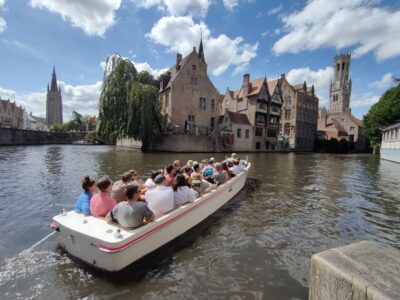
Small Group Boat Cruise and Guided Walking Tour
Read our review →
Historical Walking Tour with Chocolate & Waffle Tasting
Read our review →
Brussels Walking and Tasting Tour (Beers,Chocolates&Fries/Waffle)
Read our review →
Browse the lists this tour appears in