
REVIEW · GUIDED
Brussels: Fall and Rise of Art-Nouveau Guided Tour
Art Nouveau can hide in plain sight. This 150-minute Brussels walk turns facades into lessons, with sgraffito explained and Victor Horta’s world placed in context. It is built for people who want street-level art, not just photos.
I love how the guide connects technique to what you are actually seeing on the buildings, so the style makes sense fast. I also like that you get a clear look at Victor Horta’s Maison du Peuple remains, then walk on to some of the prettiest streets in the capital’s outskirts.
One consideration: the tour is in Spanish, and the route covers about 3 kilometers, so wear comfortable shoes and plan for rain.
In This Review
- Quick hits worth knowing
- Art-Nouveau looks better when you understand the building tricks
- Starting next to Horta Metro, then walking into Saint-Gilles and Ixelles
- What you learn on the streets: techniques you can spot with your own eyes
- Sgraffito explained: the stop that changes how you read wall decoration
- Answering the Art Nouveau origin question, not just naming it
- Victor Horta’s Maison du Peuple remains: why this stop matters
- The charming outskirts loop: better streets, less museum time
- Pace, rain, and Spanish: simple tips to make it smooth
- Price and value: $17 for a technique-forward Brussels walk
- Who this tour is best for (and who might want a different option)
- Should you book this Brussels Art-Nouveau guided walk?
- FAQ
- FAQ
- Where is the meeting point for the Brussels Art-Nouveau guided tour?
- How long is the tour?
- What is the price per person?
- Is the tour wheelchair accessible?
- How much walking is involved?
- What language is the live guide?
- What should I bring in case of rain?
- What if the weather changes during the tour?
- Is there a cancellation option?
- Can I reserve without paying right away?
Quick hits worth knowing
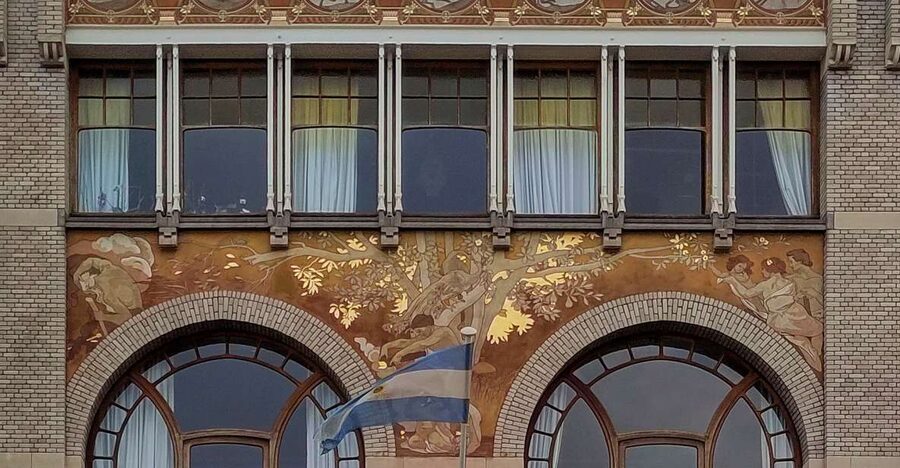
- Horta Metro start: meet next to Horta Metro station (lines 3 and 4) on Chaussée de Waterlo 187.
- Guide you can spot: look for the Curiositas Mundus badge.
- Technique focus: learn the most used Art-Nouveau methods and what makes them work.
- Sgraffito lesson: understand sgraffito and how it differs from frescoes.
- Horta stop: see the historical remains tied to Victor Horta’s Maison du Peuple.
- Outskirts charm: a short loop that favors attractive streets in Saint-Gilles and Ixelles.
Art-Nouveau looks better when you understand the building tricks
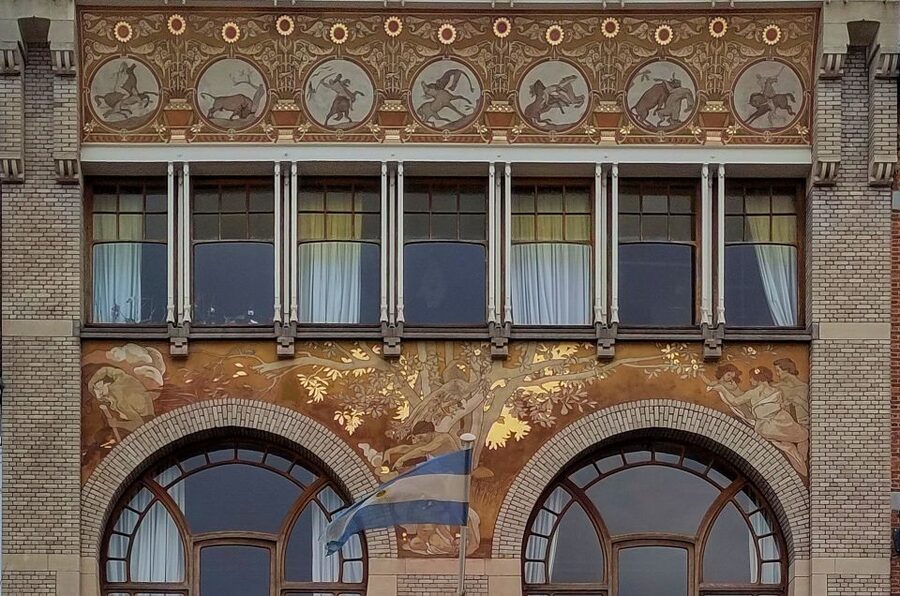
Brussels Art Nouveau can feel like visual fireworks until you learn what to look for. That is the real strength of this tour. It does not ask you to admire from a distance. It helps you read surfaces, ornament, and materials as you walk.
The focus is practical: you learn the most used techniques in Art Nouveau and then you get a specific, high-value comparison with sgraffito. The tour explains what sgraffito is and how it differs from frescoes, which matters because these two methods can both show decorative imagery, but they live on the wall in very different ways. Once you understand that, you start noticing how designs sit on the facade.
I also like that the tour ties architecture to people and innovation from the late nineteenth century. You are not just collecting names. You are learning why this style looked the way it did, and why some homes in Saint-Gilles and Ixelles remain good evidence of that era.
More things to do in Brussels:
- Brussels: Atomium Entry Ticket with Design Museum Ticket
★ 4.4 · 9,254 reviews - From Brussels: Guided Day Trip to Bruges and Ghent
★ 4.6 · 8,353 reviews - From Brussels: Bruges & Ghent Day Tour – 2 Fairytale Cities
★ 4.7 · 8,242 reviews
Starting next to Horta Metro, then walking into Saint-Gilles and Ixelles
You meet next to Horta Metro station (lines 3 and 4), on Chaussée de Waterlo at number 187. This is a handy starting point because metro lines 3 and 4 make it easier to reach from much of the city center without planning a complicated bus route.
Once you find the group, you will be guided through a roughly three-kilometer route. The pace is built for observation. That may sound obvious, but walking tours sometimes race. Here, the goal is to keep your eyes on the facades long enough to connect the explanation to the architecture in front of you.
The route itself is centered on Saint-Gilles and Ixelles, two communes where several of the most stable Art-Nouveau houses show up. Stable is the key word. It means you are more likely to see buildings that still communicate the original design intent, instead of only fragments or vague shapes.
Also, the tour includes additional audiovisual information. That is useful when you need a visual anchor to understand technique, materials, or the broader Art Nouveau story without guessing from small details.
What you learn on the streets: techniques you can spot with your own eyes
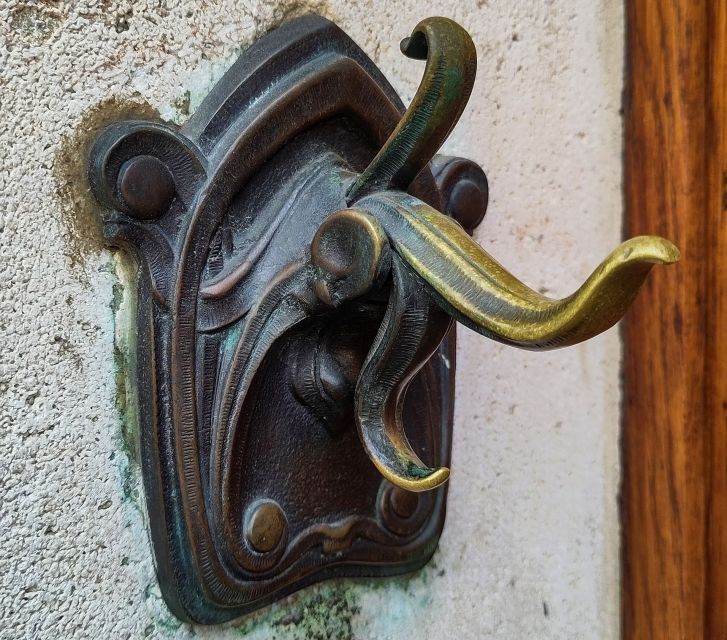
The tour promises to cover the most used techniques in the world of Art Nouveau, and it approaches that theme in a way that helps you recognize patterns fast. As you move street to street, you get a running commentary on what designers were doing and how they achieved those looks on real buildings.
Here is what you will likely appreciate as you walk:
- You start seeing Art Nouveau as a set of repeatable building choices, not just random decoration.
- You learn the logic behind the style, so ornaments feel purposeful rather than purely decorative.
- You get guided help to interpret details that you could easily miss on your own.
The guide is live and speaks Spanish, and the experience is structured for real Q and A. In the past, the guide Samuel was specifically praised for explaining Art Nouveau in a clear way while pointing out different facades so the explanations landed better. That kind of responsiveness matters. When something is confusing, you want a guide who answers directly instead of rushing on.
Sgraffito explained: the stop that changes how you read wall decoration
The most concrete technique lesson on this tour is sgraffito, and it is worth making room for. Even if you have seen Art Nouveau before, sgraffito is the kind of word that sounds abstract until someone shows you what it looks like on a facade.
The tour covers what sgraffito is and how it is different from frescoes. The difference is important for two reasons.
First, it helps you understand the “surface story.” Sgraffito is about layers and how designs are revealed through a process that works on the wall. Frescoes are paintings made onto plaster surfaces, which means their relationship to the wall is different in both method and appearance. When you know the method, you can read age, fading, and texture changes more accurately.
Second, it helps you stop treating facade art as a flat image. You start seeing it as a physical construction. That is the big payoff of a technique-focused tour: you stop looking only for motifs and start looking for the craft.
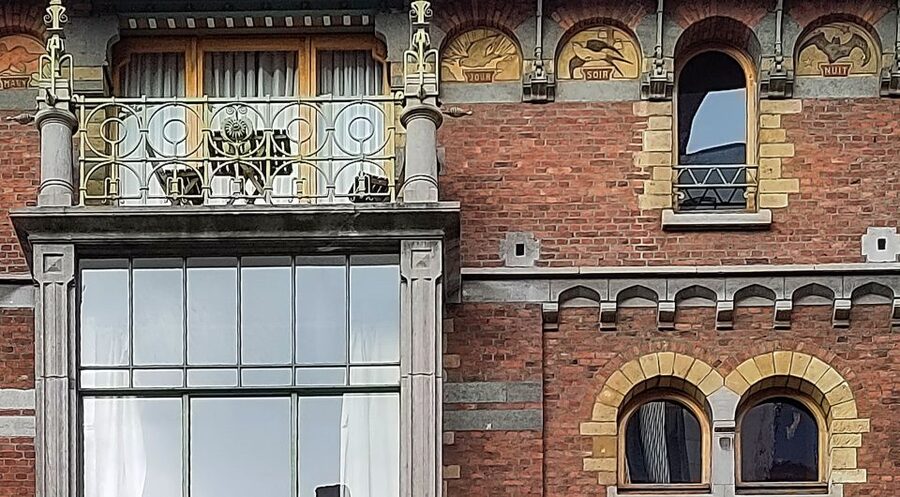
As you walk through Saint-Gilles and Ixelles, keep an eye out for decorative walls where you can imagine a layered process. The guide’s explanations make those details easier to detect, especially when audiovisual support reinforces the concept.
A few more Brussels outings worth a look
- From Brussels: Full-Day Antwerp and Ghent Guided Tour
★ 4.6 · 1,019 reviews - Brussels: City Center Guided Food Tour with Tastings
★ 4.9 · 296 reviews - Brussels 3-Hour Guided Art Nouveau Tour
★ 4.0 · 282 reviews - Brussels: Chocolate Workshop and Guided Walking Tour
★ 4.6 · 263 reviews
Answering the Art Nouveau origin question, not just naming it
Part of the promise for this walk is simple: you will learn what Art Nouveau’s first house was, and you will learn it in a way that ties back to what you see on the route.
Even without getting the full architecture lecture in one go, the value is clear. Art Nouveau can feel like an all-at-once wave across Europe, but it has origins and early landmarks that shaped how people built. When you know the early reference point, later buildings start to feel less mysterious and more like a progression.
This is the kind of context that makes your photos more meaningful later. You are not only capturing pretty windows and ironwork. You are capturing an evolving design language, with a historical starting point the guide helps you understand.
Victor Horta’s Maison du Peuple remains: why this stop matters
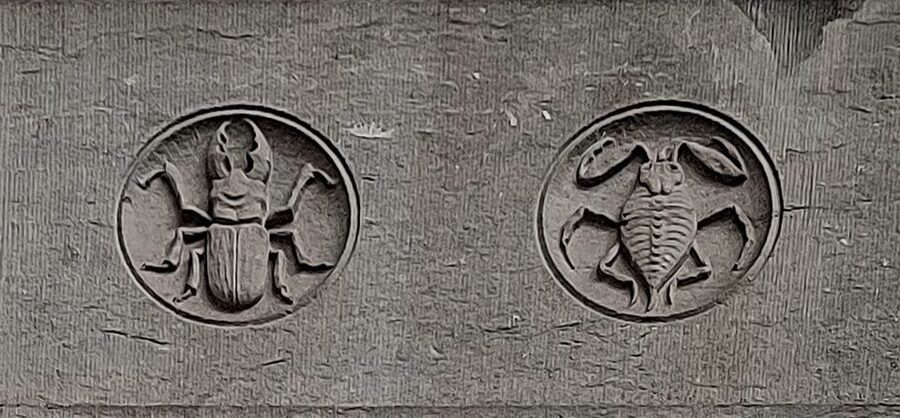
One of the standout moments is the historical remains of Victor Horta’s Maison du Peuple. Even as remains, this is the kind of stop that adds weight to your Art Nouveau understanding because Victor Horta is tied to the style’s early development in Brussels.
Why this matters for you is not just “because it is famous.” It is because a style like Art Nouveau can sometimes feel like pure aesthetics. Horta’s work, including what connects to the Maison du Peuple, helps you see it as more than decoration. It is architecture with an idea behind it.
On this tour, the Maison du Peuple remains act like a bridge. You move from general technique and street beauty into a specific historical anchor. The guide ties it back to the broader Art Nouveau story and helps you connect the dots between design choices and the buildings’ purpose and era.
If you enjoy architecture because it has a story, this is likely your favorite stop. If you only care about pretty facades, you will still appreciate it because it adds context to what you just learned how to spot.
The charming outskirts loop: better streets, less museum time
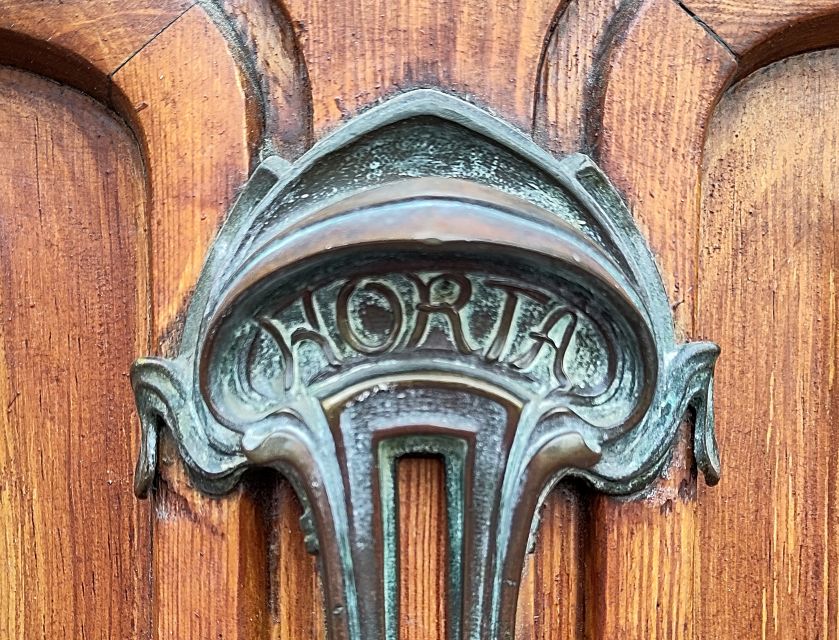
The route is designed as a three-kilometer walk through the outskirts of Brussels, with an emphasis on some of the most beautiful streets in the Belgian capital. That phrasing matters, because the tour is not aiming for one single destination. It is aiming for a flow of street scenes where Art Nouveau shows up repeatedly enough for the technique lessons to click.
Walking the outskirts also changes the feel. Instead of being stuck in the museum mode, you get a residential, street-level sense of how these buildings live among everyday life. Even when you are just standing on a sidewalk, you can understand why Art Nouveau became such a visual identity for certain neighborhoods.
Practical point: there is about 3 kilometers of travel, so plan a comfortable walking rhythm. The tour is 150 minutes long, meaning you should expect stops and explanation time. This is not a sprint, which is a plus for absorbing details.
Pace, rain, and Spanish: simple tips to make it smooth
This is a live walking tour, in Spanish, and it runs for about 150 minutes. Because you are outdoors and on your feet, you should dress like the weather matters, because it does.
The tour suggests bringing an umbrella and rain gear, and that advice is sensible. In Brussels, rain can pop in quickly, and you do not want that to derail your attention on technique details. If the sky looks uncertain, go with a light raincoat or poncho option so you can keep moving comfortably.
Wheelchair accessibility is noted, which is good to know when planning. Still, the route includes walking distance, so it helps to think through how you will handle a three-kilometer loop depending on your own mobility needs.
Price and value: $17 for a technique-forward Brussels walk
At $17 per person for 150 minutes, this tour sits in the value sweet spot for a specialized subject. You are paying for something more than “a pretty stroll.” You are paying for guided interpretation of Art Nouveau technique, plus audiovisual support, plus a focused look at Victor Horta’s Maison du Peuple remains.
Here is how I would frame the value if you are deciding whether it is worth your time:
- If you like architecture but struggle to “read” facades, this tour gives you a vocabulary, especially with sgraffito vs frescoes.
- If you prefer guided context over self-guided wandering, the explanation and street-by-street pacing help.
- If you already know Art Nouveau deeply, you might still enjoy the walk for spotting confirmations, but your learning gain may be smaller.
Either way, the cost is low enough that you can justify taking it even if you are not fully sure you will love the topic. The best part is that the focus stays practical and observable, not abstract.
Who this tour is best for (and who might want a different option)
This fits you best if you want:
- A guided walking tour that keeps your eyes on details.
- A technique-focused introduction to Art Nouveau, not only a list of famous names.
- Clear explanations in a small, real-world setting on the streets of Brussels.
It might be less ideal if:
- You need an English-language guide and Spanish would slow your understanding.
- You dislike walking about 3 kilometers outdoors.
- You prefer museum interiors over street architecture.
Should you book this Brussels Art-Nouveau guided walk?
If you are spending time in Brussels and you want a story you can see with your own eyes, I would book it. The main reason is the technique lesson. Understanding sgraffito and how it differs from frescoes turns random facade decorations into readable craft. Add the Maison du Peuple remains, and you get both the how and the why.
If Spanish is workable for you, go for it. If you can handle a short walk and light rain with an umbrella or rain gear, you are set. And if you enjoy a guide who answers questions clearly, this tour has that strength built in.
FAQ
FAQ
Where is the meeting point for the Brussels Art-Nouveau guided tour?
You meet next to Horta Metro station (lines 3 and 4), on Chaussée de Waterlo, at the height of number 187.
How long is the tour?
The duration is 150 minutes.
What is the price per person?
The price is $17 per person.
Is the tour wheelchair accessible?
Yes, the tour is wheelchair accessible.
How much walking is involved?
The tour includes approximately three kilometers of travel.
What language is the live guide?
The live tour guide speaks Spanish.
What should I bring in case of rain?
Bring an umbrella and rain gear.
What if the weather changes during the tour?
If it rains, bring an umbrella, raincoat, or poncho. The tour is still outdoors and the schedule is based on a walking route.
Is there a cancellation option?
Yes, free cancellation is available up to 24 hours in advance for a full refund.
Can I reserve without paying right away?
Yes, you can reserve now and pay later.
The latest Brussels write-ups
- Taxi DE Brussels to Zaventem Airport★ 5.0 · 3 reviews
- Taxi to Brussels National Airport DE Brussels★ 3.5 · 17 reviews
- Taxi Brussels Airport < - > Airport DE Charleroi (1 to 8 places)★ 3.5 · 3 reviews
- Standard vehicle from Brussels airport to city of Antwerp★ 5.0 · 4 reviews
- PRIVATE MPV TRANSFER FROM/TO BRUSSELS AIRPORT (Max 6 pax) ONE-WAY★ 5.0 · 4 reviews
- Luxury vehicle from Brussels airport to the city of Brussels★ 4.0 · 5 reviews
- Private transfer from BRU Airport to Brussels city with luxury limousine 3 pax★ 4.5 · 8 reviews
- Transfer Brussels Airport –> Brussels MB V Class 7 PAX (ONE WAY)★ 5.0 · 4 reviews
Guided, compared.
Small Group Boat Cruise and Guided Walking Tour
Read our review →
Guided Tour & Boat Ride with Optional Beer Tasting
Read our review →
Choco-Story Museum with Audio Guide and Tastings
Read our review →
Browse the lists this tour appears in