
REVIEW · ART NOUVEAU TOURS
Brussels 3-Hour Guided Art Nouveau Tour
Art Nouveau in Brussels is a feast for your eyes. This 3-hour guided tour turns a city stroll into a lesson on iron, glass, wood, and stone style, ending near the Victor Horta Museum.
I especially like the fact that you are not just seeing pretty facades. You get a guide-led explanation of how the movement worked, and many groups get helpful interior context through printed photos, even when you stay outside.
One trade-off: you are mostly looking at buildings from the street. If you want full interior access, you will likely need to plan that separately after the tour ends.
In This Review
- Key Things You Will Notice on This Brussels Art Nouveau Tour
- How This 3-Hour Art Nouveau Walk Helps You Read Brussels Facades
- Grand-Place at 10:00, Then the Tram to Bailli
- Hotel Tassel and More: The Victor Horta Spine of the Route
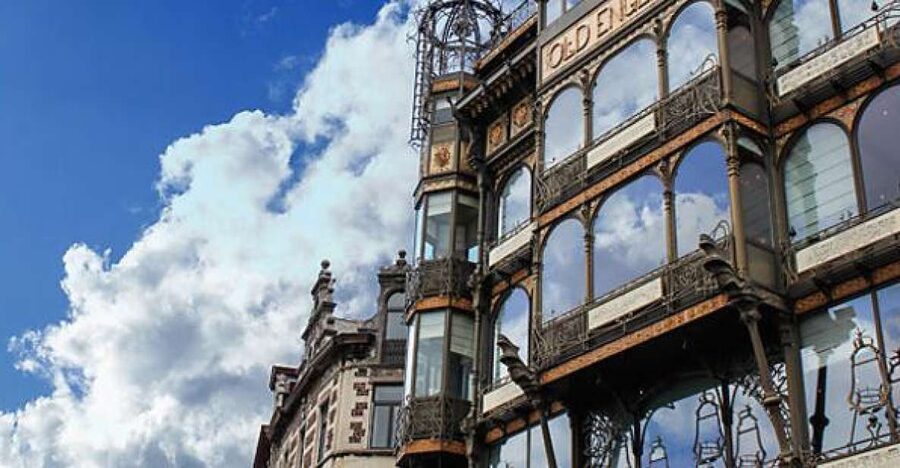
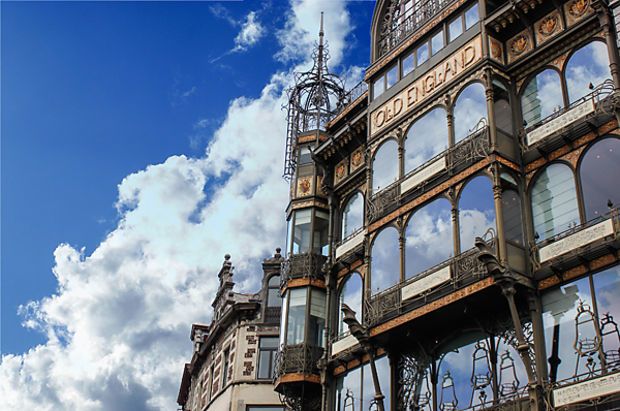
- Old England House (Music Instrument Museum)
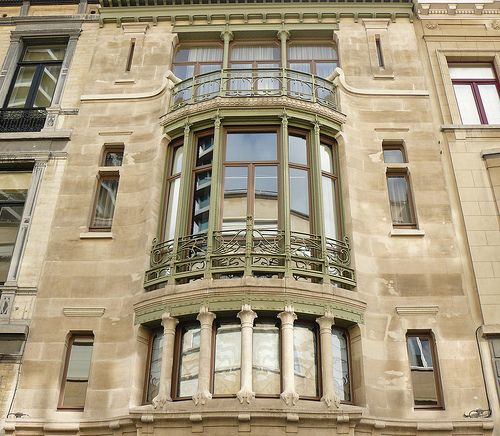
- Hotel Tassel (Victor Horta, 1893 to 1894)
- Van Rysselberghe House (Octave Van Rysselberghe, 1912)
- Hotel Otlet (Octave Van Rysselberghe and Henry van de Velde, 1894 to 1898)
- Goblet d’Alviella to Ciamberlani: Fine-Grained Art Nouveau Street Reading
- Hotel Goblet d’Alviella (Octave Van Rysselberghe, 1882)
- Hotel Ciamberlani (Paul Hankar, 1897)
- House of painter René Janssens (Paul Hankar, 1898)
- Architect Armand Van Waesberghe (Stop listed by name)
- Beukman House, Paul Hankar’s Private Home, and the Finish at Horta
- The Beukman house (Albert Roosenboom, 1900)
- The private home of architect Paul Hankar
- Victor Horta Museum (end point, museum admission not included)
- What You Get Indoors (and What You Should Plan to See Later)
- Value, Pace, and Who This Tour Suits Best
- Should You Book This Brussels Art Nouveau Tour?
- FAQ
- Where does the tour start?
- What time does the tour run?
- How long is the guided tour?
- What is the price per person?
- Does the tour include museum admission?
- Is transportation included?
- Which languages are offered?
- Is the tour wheelchair accessible?
- Do I need to buy tickets for the Victor Horta Museum?
Key Things You Will Notice on This Brussels Art Nouveau Tour
- Grand-Place start, white umbrella meeting point so you can find the group fast
- Bailli district focus for a higher concentration of Art Nouveau
- Victor Horta anchors the route with major stops like Hotel Tassel
- Photo support for interiors when you cannot go inside during the walk
- Tram ride plus walking gives you a more complete neighborhood feel in 3 hours
- Multilingual guides (Spanish, English, French) with extra explanation time if the group is mixed
How This 3-Hour Art Nouveau Walk Helps You Read Brussels Facades
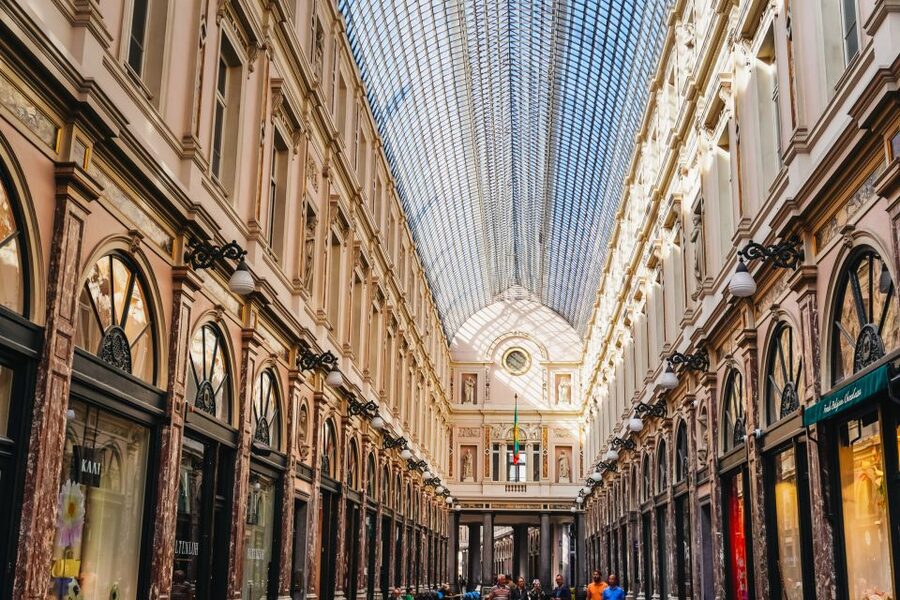
Brussels Art Nouveau is not random decoration. It is a system. When the guide explains what the architects were trying to do, you start noticing the cause-and-effect in the details, not just admiring the look.
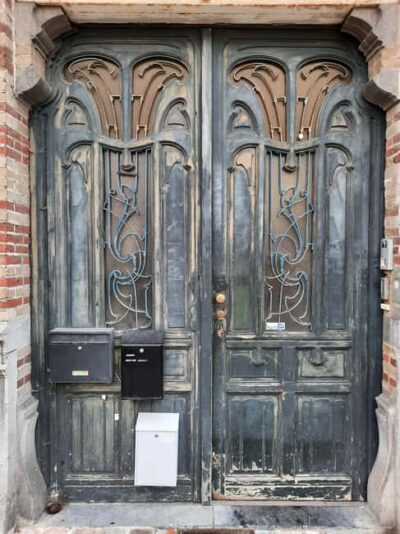
I like that the tour connects materials to design choices. You learn how iron framing, glass panels, wood elements, and carved stone work together to create curves, layered surfaces, and a sense of motion. Once you understand that logic, each facade becomes easier to decode, even when you only have a street-level view.
Another big plus is the way the guide sets context. In past groups, guides like Maria (and other local experts) have brought extra research to the storytelling, including how Art Nouveau tied into the social and technological mood of its time. You do not just hear dates and names. You learn what the style was responding to.
You should also know this is built for observation. Bring your “slow look” eyes. If you speed past everything, you will miss the exact parts that make the style click.
More Art Nouveau walks in Brussels:
- Brussels: Art Nouveau Pass – Entry to Three Locations
★ 4.0 · 108 reviews - Brussels: 3h Art Nouveau Private Tour with a Local Guide
★ 4.9 · 20 reviews - Brussels: 2-hours “Art Nouveau” Walking Tour
★ 4.5 · 7 reviews
Grand-Place at 10:00, Then the Tram to Bailli
The tour begins at 10:00 in front of the Grand-Place. You will spot the guide holding a white umbrella. That matters in a crowded square, because you do not want to waste your first ten minutes playing find-the-guide.
From there, you ride the tram toward the Bailli district, which is the “village within the city” many people associate with Brussels Art Nouveau density. The route is smart: it moves you from the classic postcard center into streets where you actually feel the neighborhood thickness of the period.
Expect a walking rhythm. Some parts can feel like a climb at the start, so comfortable shoes are a must. The good news is that in three hours you get a full slice of architecture without turning it into a long endurance event.
You also get a clear end point: the program finishes in front of the Victor Horta Museum. That timing is helpful, because you can keep the momentum going if you want to visit right after the tour.
Hotel Tassel and More: The Victor Horta Spine of the Route
The itinerary is built around specific houses, each tied to an architect and a time window. That makes the tour feel grounded, not like a blur of “look at this building.” You also get a good mix of big-name and supporting designers, which helps you understand how the movement spread.
Here is how the early run usually lands, stop by stop, and what you should look for at each one.
Old England House (Music Instrument Museum)
You start this stretch with Old England House, located in a building that now houses a Music Instrument Museum. Even if you do not go inside, this is a useful warm-up. It helps you reset your eye from “general building” mode into “material and detail” mode.
More things to do in Brussels:
- Brussels: Atomium Entry Ticket with Design Museum Ticket
★ 4.4 · 9,254 reviews - From Brussels: Guided Day Trip to Bruges and Ghent
★ 4.6 · 8,353 reviews - From Brussels: Bruges & Ghent Day Tour – 2 Fairytale Cities
★ 4.7 · 8,242 reviews - Choco-Story Brussels: Chocolate Museum Entrance with Tasting
★ 4.3 · 4,883 reviews
Hotel Tassel (Victor Horta, 1893 to 1894)
This is one of the anchor points for the whole Art Nouveau story in Brussels. Hotel Tassel is connected to Victor Horta, and the tour treats it as a key example of how the period rethought structure and surface.
When you stand here, slow down and look at the transitions. Art Nouveau often feels like it is turning corners in more than one dimension at once, and Horta is central to why people associate Brussels with that idea of fluid, purposeful design.
Van Rysselberghe House (Octave Van Rysselberghe, 1912)
Next comes a later entry with architect Octave Van Rysselberghe. The year matters. You can use this stop to compare “early confidence” versus later refinement in style.
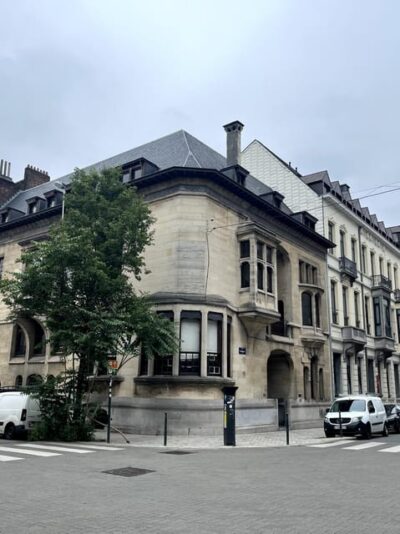
Even without interior access, the facade is still doing work. Try to notice how the building organizes windows, entrances, and vertical elements into a coherent pattern instead of separate decorative bits.
Hotel Otlet (Octave Van Rysselberghe and Henry van de Velde, 1894 to 1898)
Hotel Otlet brings another name into the story, including Henry van de Velde. This is where the tour’s theme about combining materials becomes especially helpful.
Look for how the building uses contrast: transparent versus solid, smooth versus textured, framed versus carved. The guide’s explanation is the real value here, because it turns those visual contrasts into architecture language.
For many people, this is also the moment the style feels less like “a look” and more like a design method.
Goblet d’Alviella to Ciamberlani: Fine-Grained Art Nouveau Street Reading
After the Horta-focused center, the walk shifts into a run of houses that teach you how broadly the style was applied across Brussels.
A helpful detail from the guides in past groups: because you mostly stay outdoors, they often bring printed photos to show interior ideas. That matters, because Art Nouveau design is not only skin-deep. The guide can point out how the street facade relates to what the rooms were trying to do.
Hotel Goblet d’Alviella (Octave Van Rysselberghe, 1882)
This stop is an early date, which gives you a chance to see how the movement was emerging. Even if you are not a design-history person, the guide’s timeline framing makes these years feel less random.
Use it to ask yourself: what looks most “Art Nouveau” at first glance? What feels more like a transitional phase? When you do that, the style becomes easier to spot later during your self-guided walking.
Hotel Ciamberlani (Paul Hankar, 1897)
Paul Hankar is another major name in Brussels Art Nouveau, and this stop helps you map how different architects expressed similar goals.
At this point, I recommend you train your eye on edges and rhythm. Art Nouveau loves repetition that does not feel mechanical. The facade can show repeated curves, repeated window logic, and repeated ornamental framing that all still feel personal.
House of painter René Janssens (Paul Hankar, 1898)
This is a fun one because it links the building to a painter, not only to architecture. Even without interior access, the guide’s storytelling helps you imagine the kind of life that shaped the design priorities.
You can treat this stop as a reminder that Art Nouveau was not just about wealthy collectors and famous architects. It was part of everyday ambition, identity, and artistic culture in the city.
Architect Armand Van Waesberghe (Stop listed by name)
This stop works as a bridge within the walking loop. The guide often uses these “named” properties to connect you to the wider network of architects shaping the style in Brussels.
If you are trying to learn fast, this kind of stop is gold. The guide can help you keep the different names straight and identify recurring design signatures.
Beukman House, Paul Hankar’s Private Home, and the Finish at Horta
The last stretch adds more Paul Hankar presence and more architectural texture, then it points you toward the museum ending.
The Beukman house (Albert Roosenboom, 1900)
By 1900, you can see how Art Nouveau matured. Roosenboom’s property is a useful checkpoint. After multiple stops, you will start recognizing what the guide has been training you to spot.
At this point, keep your focus narrow: pick one facade element you can point to, then look for the same “design thinking” elsewhere on the route. That is how the style starts living in your head.
The private home of architect Paul Hankar
This part of the route carries extra weight because it is tied directly to the architect’s own life and work. Even though you will not be touring the interior during the walk, the guide’s explanation helps you connect a personal design perspective to the larger style movement.
This is also where the tour’s pace becomes important. You will be grateful you still have energy left, because the guide’s ability to connect the story lines tends to peak when people are fully switched on.
Victor Horta Museum (end point, museum admission not included)
The tour finishes in front of the Victor Horta Museum. That is a smart finish because you can turn learning into deeper seeing.
Important practical note: museum entry is not included. So if you want to step inside the house and experience the design with your own eyes, plan tickets separately. One tip from experienced visitors is to pre-book so you can use the post-tour momentum without waiting.
What You Get Indoors (and What You Should Plan to See Later)
In this tour format, you are not getting a full interior walkthrough of each building. Many groups come away happy with the exterior education, but a common frustration is the lack of inside access during the walk.
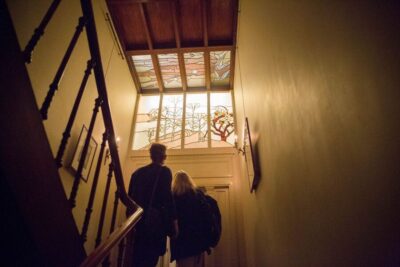
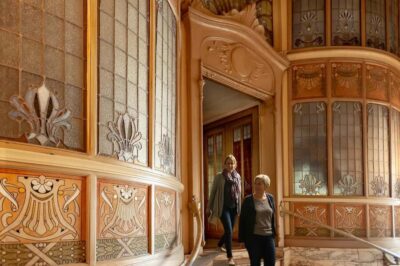
That said, the best guides compensate. In multiple tour experiences, guides have used photo printouts to show interior details you cannot see from the sidewalk. That helps you connect exterior features to the way rooms were organized and designed.
So here is how I would plan your day for the best results:
- If you want interior depth, plan the Victor Horta Museum visit after the tour.
- Use the walk to learn the street-level language, so the museum visit becomes easier to understand.
- If you are the type who loves interiors first, you might still enjoy the tour, but you will want to add a museum stop anyway.
Also, one more reality check. Your exterior view can only go so far in three hours. The guide’s strength is in shaping your eye, not in replacing a museum visit.
Value, Pace, and Who This Tour Suits Best
At $35 per person for three hours, the value is tied to what you want from the experience. If your goal is an efficient, guided way to learn Art Nouveau in Brussels without guessing which buildings matter, the price is fair. You cover multiple named properties across the Bailli area, and the guide brings the context that most people miss on solo walks.
This tour also makes sense if you want an organized architecture primer. The movement can be confusing at first, with names and dates stacking up. A good guide turns that into a story you can remember.
The pace is also a fit check. Expect walking plus a tram ride. If you have limited stamina, the wheelchair accessibility note matters, but you should still consider the physical layout of older streets and the walking time.
Languages are Spanish, English, and French, and many guides handle mixed-language groups. If your group is bilingual or trilingual, you may hear explanations repeated. That can stretch the timing just enough to feel slower, but it also tends to ensure everyone gets the main points.
Who it suits best:
- First-time visitors who want a guided Art Nouveau foundation
- Design lovers who like learning how materials shape form
- People who want a route beyond the most obvious city-center stops
- Anyone who plans to visit Victor Horta Museum afterward and wants context first
Should You Book This Brussels Art Nouveau Tour?
Book it if you want the fastest way to learn how Brussels Art Nouveau works. The route is timed well, it focuses on multiple major houses, and the guide experience tends to be strong, especially in photo-supported explanations and connections between architecture and the era.
Skip or adjust your expectations if you want a lot of interior access during the walk. This is an exterior-heavy tour, and you will likely want museum tickets for deeper room-level viewing.
If you enjoy learning by looking, this tour gives you a practical “how to see” toolkit, and it ends exactly where your curiosity is most likely to want to go next: the Victor Horta Museum.
FAQ
Where does the tour start?
The meeting point is the Grand-Place in Brussels, and you will find the guide holding a white umbrella.
What time does the tour run?
The tour starts at 10:00.
How long is the guided tour?
The duration is 3 hours.
What is the price per person?
The price is $35 per person.
Does the tour include museum admission?
No. Museum admission is not included.
Is transportation included?
The tour includes a tram as part of the route, but transportation by train is not included.
Which languages are offered?
The live tour guide offers Spanish, English, and French.
Is the tour wheelchair accessible?
Yes. The tour is wheelchair accessible.
Do I need to buy tickets for the Victor Horta Museum?
Museum admission is not included, so you will likely need to get your own tickets if you want to enter the museum. The tour ends in front of the museum.
The latest Brussels write-ups
- Taxi DE Brussels to Zaventem Airport★ 5.0 · 3 reviews
- Taxi to Brussels National Airport DE Brussels★ 3.5 · 17 reviews
- Taxi Brussels Airport < - > Airport DE Charleroi (1 to 8 places)★ 3.5 · 3 reviews
- PRIVATE MPV TRANSFER FROM/TO BRUSSELS AIRPORT (Max 6 pax) ONE-WAY★ 5.0 · 4 reviews
- Standard vehicle from Brussels airport to city of Antwerp★ 5.0 · 4 reviews
- Luxury vehicle from Brussels airport to the city of Brussels★ 4.0 · 5 reviews
- Private transfer from BRU Airport to Brussels city with luxury limousine 3 pax★ 4.5 · 8 reviews
- Transfer Brussels Airport –> Brussels MB V Class 7 PAX (ONE WAY)★ 5.0 · 4 reviews
Art Nouveau Tours, compared.
Art Nouveau Private Walking Tour with Horta Museum
Read our review →Browse the lists this tour appears in