
REVIEW · BRUSSELS TOURS
Visite guidée : Bruxelles, 1000 Ans de Luttes
Brussels has scars, and this walk reads them. In about 2 hours, you follow the story of Bruxelles, 1000 Ans de Luttes through places most visitors skip, where politics, poverty, faith, and ordinary street life all overlap.
I especially like how the tour tells history through what people lived, not just what monuments look like. On English tours, guides such as Francois, Simon, and Thomas keep the pace lively, with answers to questions and a clear local angle that makes Les Marolles feel real.
One thing to consider: this is a social-history walk, so if you only want classic postcard sights, the focus on struggles and the Palais de Justice controversy may feel heavier than expected.
In This Review
- Key things you will notice on this Brussels 1000 Years of Struggles tour
- Entering Les Marolles, a side of Brussels most people miss
- The 2-hour pace, meeting point, and what to expect day-to-day
- Stop 1: Église Notre-Dame de la Chapelle and the secrets of a living church
- Stop 2: Palais de Justice, the Belgian scandal that never fully ends
- Stop 3: Ascenseur des Marolles for the quickest great view in Brussels
- Stop 4: Quartier Marolles, tiny streets, blind alleys, and human borders
- Stop 5: Place du Jeu de Balle, the flea market and what it says about survival
- Price and value: why this tour is such good value
- Group size, tickets, and how to keep it smooth
- What kind of traveler this Brussels 1000 Years of Struggles tour suits
- The main possible drawback, and how to decide anyway
- Should you book this Brussels By Foot tour?
- FAQ
- How long is the Brussels, 1000 Ans de Luttes tour?
- What language is the tour offered in?
- How much does the tour cost, and what’s included?
- Where do I meet the guide, and where does the tour end?
- Do I need to print a ticket?
- What is the maximum group size?
- What is the cancellation policy if my plans change?
Key things you will notice on this Brussels 1000 Years of Struggles tour
- Église Notre-Dame de la Chapelle (12th century), plus art exhibits and Polish mass on Sundays
- Palais de Justice and the long-running renovation story that dates back around 40 years
- Ascenseur des Marolles for a quick, best-view-from-above moment
- Les Marolles street maze with tiny lanes, blind alleys, and the idea of borders you can feel
- Place du Jeu de Balle to finish near the daily flea market and local bars and restaurants
- Small groups (max 25) in English, with a mobile ticket for smoother check-in
Entering Les Marolles, a side of Brussels most people miss
This is not a tour that just “covers” the map. It’s built around one core idea: Brussels is shaped by conflict, inequality, and stubborn community life, and you can still read that on the street.
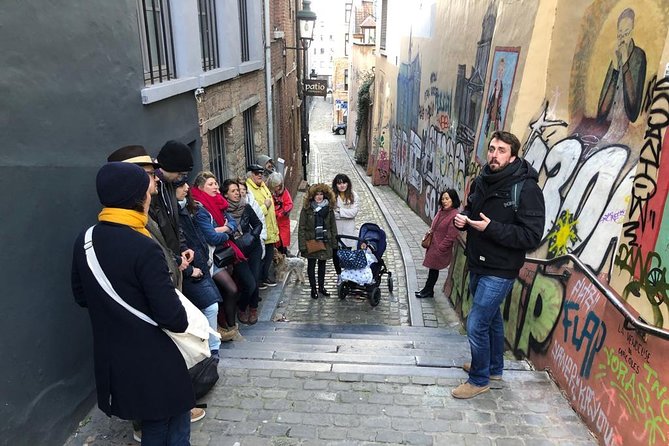
You’ll be walking in and around Les Marolles, a central district that feels tucked away, even while you’re in the middle of the city. The route is short, but the stories make the area bigger than it looks at first glance. That’s why the 1000 years part of the name isn’t marketing fluff, it’s a way of organizing the neighborhood’s meaning.
More things to do in Brussels:
- Brussels: Atomium Entry Ticket with Design Museum Ticket
★ 4.4 · 9,254 reviews - From Brussels: Guided Day Trip to Bruges and Ghent
★ 4.6 · 8,353 reviews - From Brussels: Bruges & Ghent Day Tour – 2 Fairytale Cities
★ 4.7 · 8,242 reviews
The 2-hour pace, meeting point, and what to expect day-to-day
The tour runs about 2 hours and keeps the stops tight, from around 5 minutes to roughly 20 minutes. That matters because you won’t be stuck in one place long enough for boredom to creep in. It also means you should show up on time, since the guide needs that rhythm to hit every key site.
You start at Rue de la Chapelle 21, 1000 Bruxelles. You end at Pl. du Jeu de Balle 64, 1000 Bruxelles, in the middle of the square. A practical tip: wear comfortable shoes, because the Marolles lanes you’ll walk through can feel narrow and uneven, and you’ll want to move confidently.
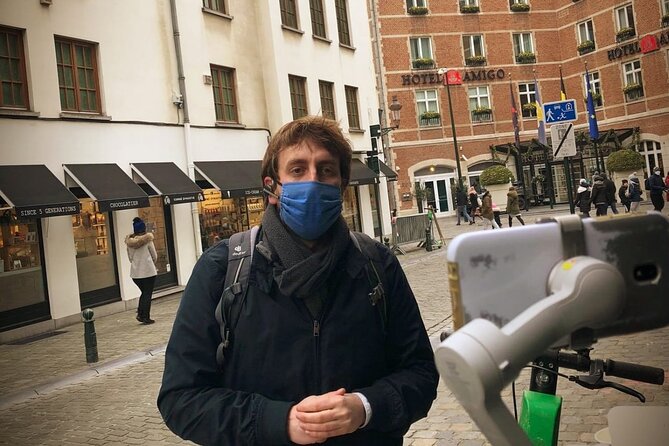
Most tours run in English. The group size caps at 25 people, which is small enough to keep Q and A from turning into silence. If you like asking “why did they do that?” questions, this setup is a good fit.
Stop 1: Église Notre-Dame de la Chapelle and the secrets of a living church
Your first stop is Église Notre-Dame de la Chapelle, a church built in the 12th century. The tour frames it as an emblematic spot with more going on than you might expect from the outside. Inside, you’re looking at a place that also hosts painting exhibitions, and it even offers mass in Polish every Sunday.
Why this stop is worth your time: it sets the emotional tone for the whole walk. You’re not just looking at old stone. You’re seeing how faith, culture, and art keep overlapping in the center of Brussels, even when the neighborhood has had rough chapters.
A reasonable consideration: if you’re not visiting on a Sunday, you might miss the Polish mass element. The church can still be interesting for art and architecture, but the “living tradition” detail is most likely to show up on Sunday mornings.
Stop 2: Palais de Justice, the Belgian scandal that never fully ends
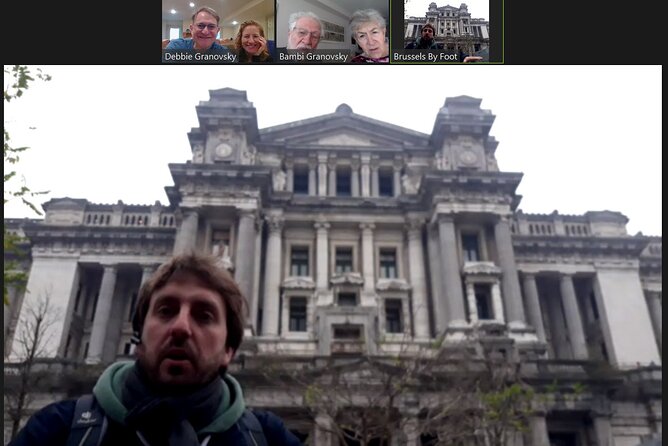
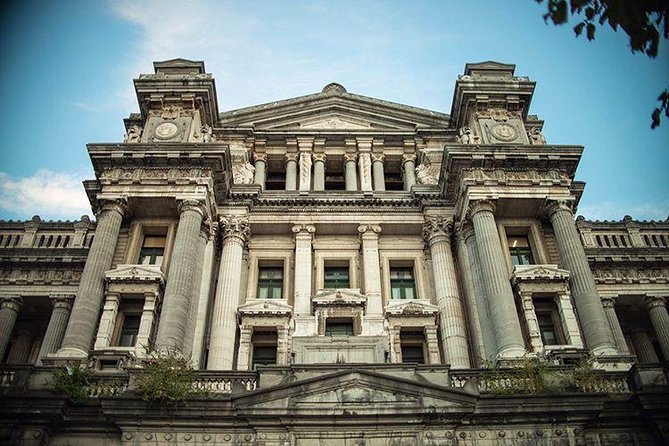
Next up is Palais de Justice. The guide’s angle here is very specific: renovation work started about 40 years ago, and it never quite finished. That long delay becomes the tour’s entry point into a broader conversation about public money, ambition, and the kind of frustration people can develop when promises drag on for decades.
This is one of those stops where you’ll hear the story as cause and effect. The palace is supposed to represent justice and order, but the renovation saga becomes a symbol of how institutions can look impressive while still failing people in practice.
Practical note: this stop is shorter, about 15 minutes, so don’t expect a slow, sit-down explanation. It’s more like a strong narrative “hook” that helps you interpret what you’ll see next in the Marolles streets.
Nearby, and a completely different afternoon:
- Choco-Story Brussels: Chocolate Museum Entrance with Tasting
★ 4.3 · 4,883 reviews - Bruges and Ghent – Belgium’s Fairytale Cities – from Brussels
★ 4.0 · 4,809 reviews - Brussels: Hop-On Hop-Off Bus Tour
★ 4.0 · 4,016 reviews - Hungry Mary’s Famous Beer and Chocolate Tour in Brussels
★ 5.0 · 2,258 reviews
Stop 3: Ascenseur des Marolles for the quickest great view in Brussels
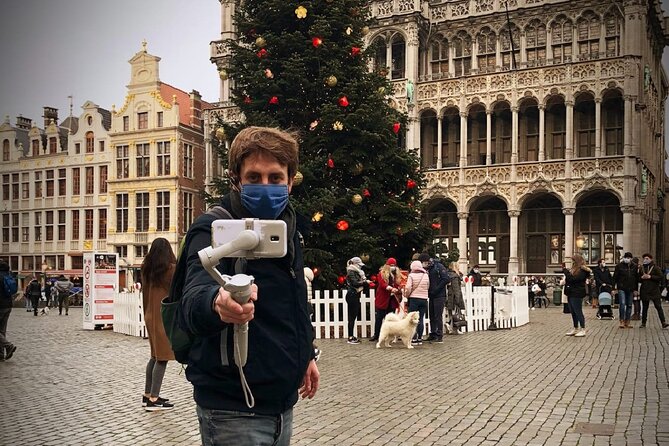
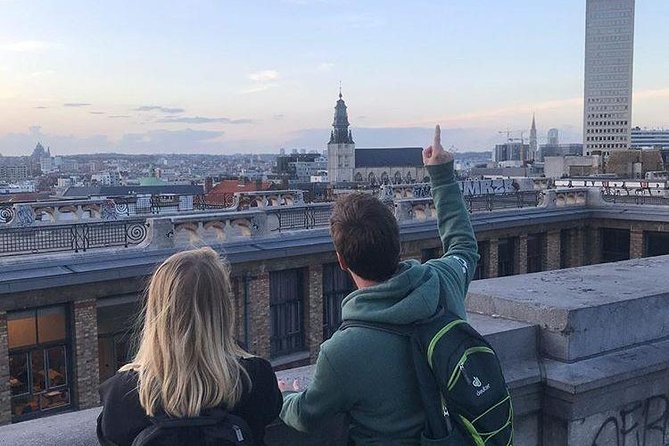
Then you pop into a tiny, high-impact moment: the Ascenseur des Marolles. The tour gives it about 5 minutes, which might sound brief until you understand what it’s doing. This elevator is used as a viewpoint, a way to briefly change perspective and see how the neighborhood sits in the wider city.
Why I like this kind of stop: it breaks the walking rhythm. You get a pause that feels like you paid for something extra. And once you’ve seen a bird’s-eye angle, the street-level story clicks faster.
As a caution, keep your expectations realistic. You are there for a short time, so if you love photography, arrive with a quick plan: one sweep for skyline context, then one for the neighborhood layout.
Stop 4: Quartier Marolles, tiny streets, blind alleys, and human borders
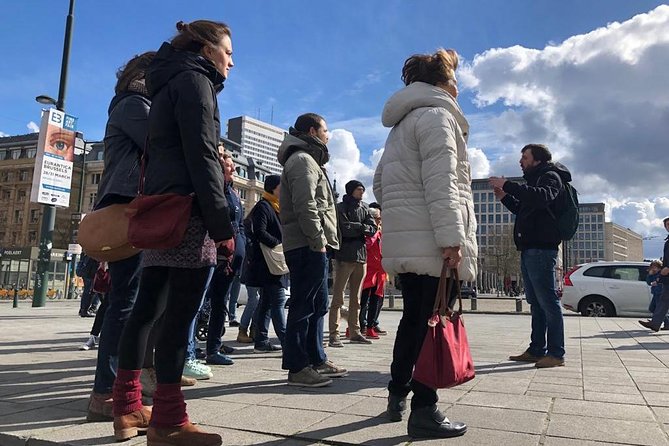
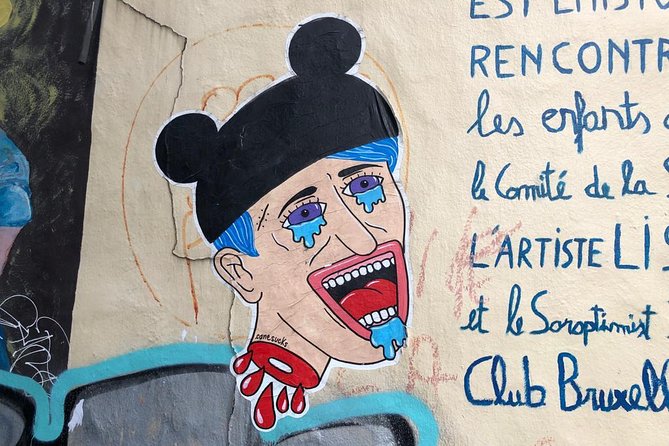
This is where the tour really becomes about lived experience. The itinerary calls it the Quartier Marolles, a place described as “unruly” in spirit, with a quiet poor neighborhood character in the center of Brussels. You’ll move through tiny streets and blind alleys, and the guide connects those physical features to an unexpected layer of history.
From what I take from the best-guided versions of this walk, the Marolles story is told through social structure. The neighborhood is treated as a place where boundaries show up in everyday life, not just on maps. It’s the kind of explanation that helps you notice things you normally ignore, like how a street layout can make a community feel closed in, or how different groups lived side by side with tension underneath.
This is also the stop that can make repeat visitors rethink Brussels. Even if you’ve been to the city before, Les Marolles can still feel like a “new Brussels,” because the stories are about people, not landmarks.
Stop 5: Place du Jeu de Balle, the flea market and what it says about survival
The tour finishes at Place du Jeu de Balle, a square closely linked to the daily flea market. The guide frames this as more than a fun market stop. It becomes another lesson in how people have had to keep the place going and keep it conserved through long-term struggle.
It’s fitting as a finale because it’s where history meets routine. You get the sense that the neighborhood doesn’t just remember its past, it lives through it. And since you’re ending in the square, you can naturally keep going on your own.
The tour explicitly suggests finishing in one of the bars and restaurants around the square. That’s practical: you’re near a lively hub, and you don’t have to solve your meal plan right after the tour.
Price and value: why this tour is such good value
The listed price is about $3.62 per person, and entrance fees plus registration fees are included. That’s unusually low for a guided, story-heavy walking experience with multiple paid-in-space stops.
What you should budget for: gratuities of €10.00 per person are not included. Since the tour is designed around a guide’s storytelling skill, think of gratuity as part of making the experience work. If you’ve done enough walking tours, you already know the best ones are built on guide craft, not just directions.
A smart approach: if the base price looks tempting, don’t treat the guide as an afterthought. Bring cash or be ready to add gratuities in the way the provider supports, and you’ll get a win-win: you paid a fair amount upfront, and you reward the person who made the history click.
Group size, tickets, and how to keep it smooth
The experience uses a mobile ticket, which keeps check-in simple and reduces the hassle of printouts. The tour also runs near public transportation, so getting there and leaving afterward is easier than if you were tucked into a remote part of town.
Group size is capped at 25 travelers, which is a sweet spot. It’s small enough that the guide can track attention and answer questions, especially in the more explanatory parts like the Palais de Justice and Marolles storytelling.
One more helpful factor: service animals are allowed. If that matters for you, it’s good to see it explicitly supported.
What kind of traveler this Brussels 1000 Years of Struggles tour suits
This tour fits you best if you like history with a human angle. You want to understand why a district looks the way it does today, and you enjoy learning how institutions and everyday life interact.
It’s also a great choice if you want a second side of Brussels after the big sights. You’ll still see major landmarks in a short way, but the heart of the walk is the neighborhood scale: churches, streets, views, and the kind of market life that has kept people going.
If you’re traveling with older parents, it may feel manageable because the stop times are short and the group is kept together. You’ll still do walking, so choose sensible shoes, but the schedule is not “all day stamina” style.
The main possible drawback, and how to decide anyway
The one drawback to watch for is focus. This route centers on struggles, social change, and the politics behind places like Palais de Justice. If your travel style is strictly “beautiful buildings and quick photos,” you might find some of the narrative tone more intense than a typical sightseeing loop.
My advice: decide based on what you want from Brussels. If you want to understand how the city works under the surface, this is a strong match. If you only want light, monument-first touring, you may still enjoy the streets and views, but the tour’s emphasis might feel mismatched.
Should you book this Brussels By Foot tour?
I’d book it if you want an experience that feels specific to Brussels rather than interchangeable. The combination of Marolles neighborhood storytelling, a viewpoint via the Ascenseur des Marolles, and a finale at Place du Jeu de Balle gives you both context and atmosphere in a short time.
I’d skip or pair it differently if you’re not into social history or if you’re already fully “monumented out.” In that case, you could still visit Marolles on your own, but you’ll miss the structure that makes the area’s meaning click fast.
If you’re curious, go for it. This is the kind of tour where the facts are useful, but the guide’s framing is what keeps you listening.
FAQ
How long is the Brussels, 1000 Ans de Luttes tour?
It lasts about 2 hours.
What language is the tour offered in?
The tour is offered in English.
How much does the tour cost, and what’s included?
The price is $3.62 per person. Entrance fees and registration fees are included. Gratuities of €10.00 per person are not included.
Where do I meet the guide, and where does the tour end?
You start at Rue de la Chapelle 21, 1000 Bruxelles, Belgium. The tour ends at Pl. du Jeu de Balle 64, 1000 Bruxelles, Belgium, in the middle of the square.
Do I need to print a ticket?
No. The tour uses a mobile ticket.
What is the maximum group size?
The tour has a maximum of 25 travelers.
What is the cancellation policy if my plans change?
You can cancel for a full refund if you cancel at least 24 hours in advance. If you cancel less than 24 hours before the start time, the amount you paid will not be refunded.
The latest Brussels write-ups
- Taxi DE Brussels to Zaventem Airport★ 5.0 · 3 reviews
- Taxi to Brussels National Airport DE Brussels★ 3.5 · 17 reviews
- Taxi Brussels Airport < - > Airport DE Charleroi (1 to 8 places)★ 3.5 · 3 reviews
- PRIVATE MPV TRANSFER FROM/TO BRUSSELS AIRPORT (Max 6 pax) ONE-WAY★ 5.0 · 4 reviews
- Standard vehicle from Brussels airport to city of Antwerp★ 5.0 · 4 reviews
- Luxury vehicle from Brussels airport to the city of Brussels★ 4.0 · 5 reviews
- Private transfer from BRU Airport to Brussels city with luxury limousine 3 pax★ 4.5 · 8 reviews
- Transfer Brussels Airport –> Brussels MB V Class 7 PAX (ONE WAY)★ 5.0 · 4 reviews
Brussels Tours, compared.
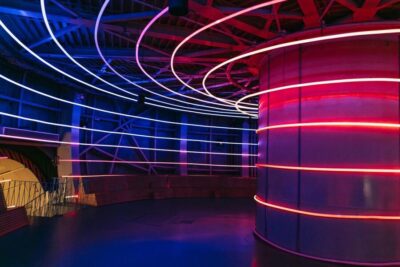
Atomium Entry Ticket with Design Museum Ticket
Read our review →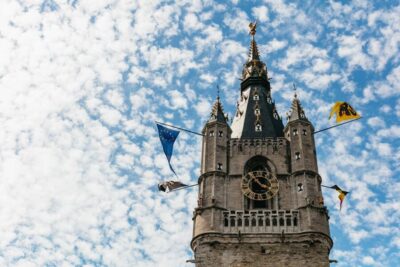
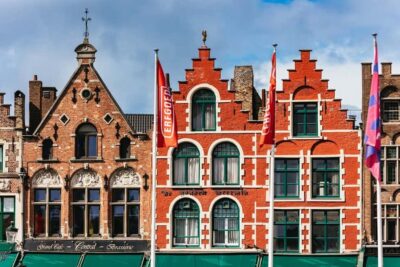
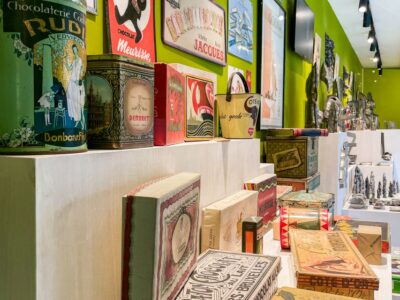
Choco-Story Brussels: Chocolate Museum Entrance with Tasting
Read our review →
Bruges and Ghent – Belgium’s Fairytale Cities – from Brussels
Read our review →
Hungry Mary’s Famous Beer and Chocolate Tour in Brussels
Read our review →
Belgian Chocolate Making Workshop with Tastings
Read our review →Browse the lists this tour appears in