
REVIEW · BRUSSELS TOURS
MUSIC TOUR OF BRUSSELS (SPANISH)
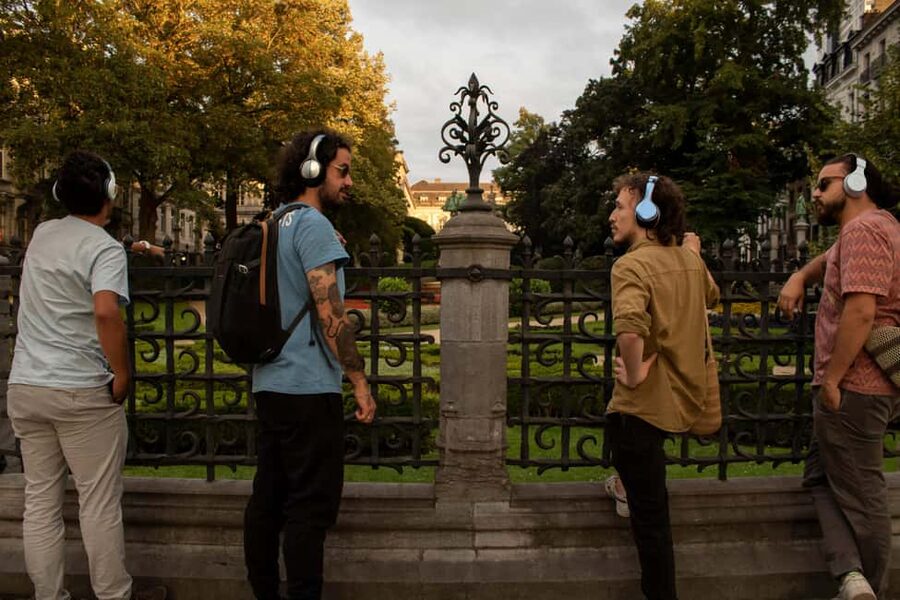
Brussels sounds better than it looks. This 2 hour Spanish music tour uses headphones and a live guide to turn famous landmarks into a living soundtrack of the city. You move through the center while listening to music picks tied to what you are seeing.
Two things I really like: the handpicked music at each stop, chosen to match the story of that location, and the way the guide keeps you moving without rushing. I also like that the sound setup is meant to work outdoors, since Brussels can be noisy in public squares.
One possible drawback to keep in mind is audio: one guide report mentioned occasional sound interference. And there is at least one documented case where the guide did not show up at the meeting point, so it is smart to confirm the umbrella ID quickly once you arrive.
In This Review
- Key highlights you will feel right away
- Why this Spanish music walk feels different from a standard city tour
- Starting at the Palace of Justice, where Brussels gets its panorama and its soundtrack
- Petit Sablon and the Royal Conservatory zone, where education and artists matter
- Musical instruments and the saxophone origin story, hearing the world in Brussels
- Independence anthems and African music influence at Mont des Arts
- Jacques Brel foundation, then Manneken Pis, the comedy that history songs love
- Grand-Place and Bourse, where festivals, concerts, and public life show up
- Ending at La Monnaie, Belgian opera and a final sound experience
- Price and value: what $14 buys you in real listening time
- Logistics that matter: headphones, sound interference, and meeting point
- Who this tour suits best, and who should think twice
- A quick cautionary note on guide arrival
- Should you book the Music Tour of Brussels (Spanish)?
Key highlights you will feel right away
- Headphones included, so you can hear the guide and music even when the street noise rises
- Spanish live narration plus Spanish audio support for the musical listening moments
- Landmarks with purpose, from Palace of Justice viewpoints to La Monnaie opera
- Local music culture, including a stop tied to Jacques Brel and Belgian identity
- A history lesson in sound, including independence themes and the African music influence in Brussels
- A classic comedy icon, Manneken Pis, explained through centuries of songs and festivals
Why this Spanish music walk feels different from a standard city tour
Most Brussels walks tell you what happened. This one also tells you what you might have heard while it was happening. The format is simple: you stop, you listen, the guide connects the music to the buildings, squares, and artistic institutions around you.
What makes it practical is the tech support. You get headphones, so the experience is designed to work in real outdoor conditions, not just in a quiet museum room. And since the narration is in Spanish, it is a strong option if you want to practice the language while still getting clear context.
The value is also real. At about $14 for 2 hours, you are getting live guidance, headphones, and a guided listening route that covers multiple top sights without needing extra tickets for the “sound moments” themselves.
More things to do in Brussels:
- Brussels: Atomium Entry Ticket with Design Museum Ticket
★ 4.4 · 9,254 reviews - From Brussels: Guided Day Trip to Bruges and Ghent
★ 4.6 · 8,353 reviews - From Brussels: Bruges & Ghent Day Tour – 2 Fairytale Cities
★ 4.7 · 8,242 reviews
Starting at the Palace of Justice, where Brussels gets its panorama and its soundtrack
You begin at the Brussels Palace of Justice, and right away you get that big viewpoint feeling you get from looking over parts of the city center. The guide uses this open space to set the tone: music as a companion to Brussels’ evolution, not just background noise.
This first leg works because it teaches your ear what to listen for. Instead of only focusing on dates, you learn how melodies and styles can reflect political change, education, and public life. It is a good mental warm up, especially if you have never thought about “city history through music” before.
You also get the early advantage of orientation. The route then pushes you out of that viewpoint energy and down toward the older artistic and cultural spine of Brussels.
Petit Sablon and the Royal Conservatory zone, where education and artists matter
Next you head toward the Place du Petit Sablon, connected to the former palace site of Count Egmont. Even if you know little about Egmont, the stop is useful because it anchors the tour in power and patronage, the kind that often shapes what art gets funded and performed.
From there, you move near the Royal Conservatory of Brussels area, described as a birthplace for great Belgian artists and the center of musical education. This is where the tour starts explaining music as infrastructure, not just entertainment.
The guide’s stories here help you connect a key idea: institutions shape what becomes popular. When you see a place tied to training and composition, it makes sense why later stories in the tour include education, independence, and big public festivals.
Musical instruments and the saxophone origin story, hearing the world in Brussels
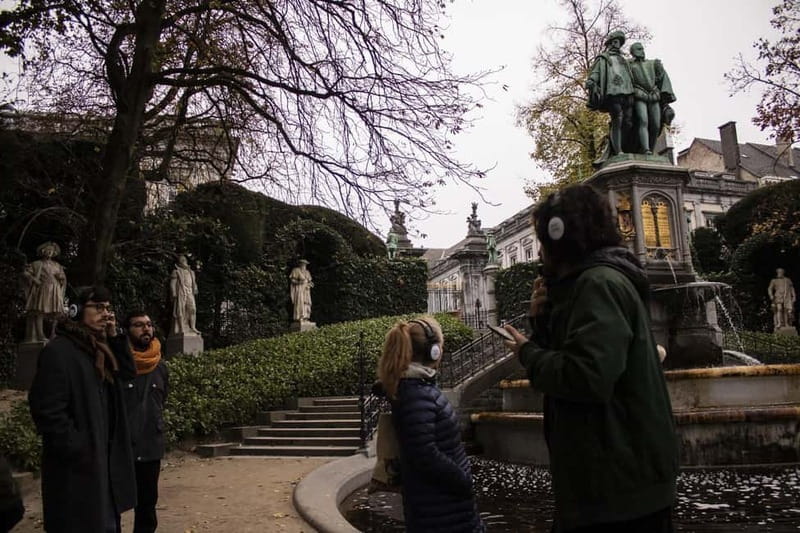
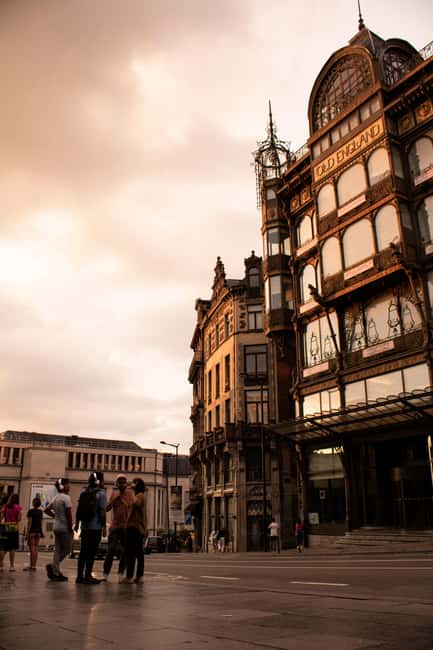
The tour continues to the Museum of Musical Instruments, and this is one of those stops that makes the whole experience feel more playful. You get a chance to explore sounds from around the world, which gives the tour breathing room from Belgium-only references.
There is also a specific highlight that you can actually anchor in your memory: the saxophone is linked to Belgian inventor Adolphe Sax. That detail matters because it connects Brussels not just to performers, but to invention and design, the practical side of music culture.
If you are the type of person who likes hearing how one small decision can create a new sound for generations, this is your moment. Even if you do not have technical interest in instruments, you will still leave with a clearer sense of why Brussels has mattered in music history.
Nearby, and a completely different afternoon:
- Choco-Story Brussels: Chocolate Museum Entrance with Tasting
★ 4.3 · 4,883 reviews - Bruges and Ghent – Belgium’s Fairytale Cities – from Brussels
★ 4.0 · 4,809 reviews - Brussels: Hop-On Hop-Off Bus Tour
★ 4.0 · 4,016 reviews - Hungry Mary’s Famous Beer and Chocolate Tour in Brussels
★ 5.0 · 2,258 reviews
Independence anthems and African music influence at Mont des Arts
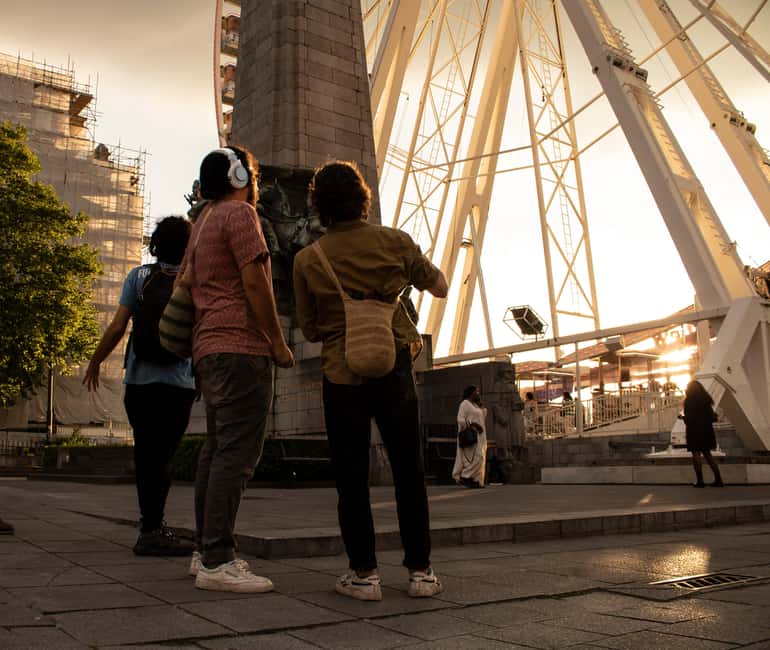
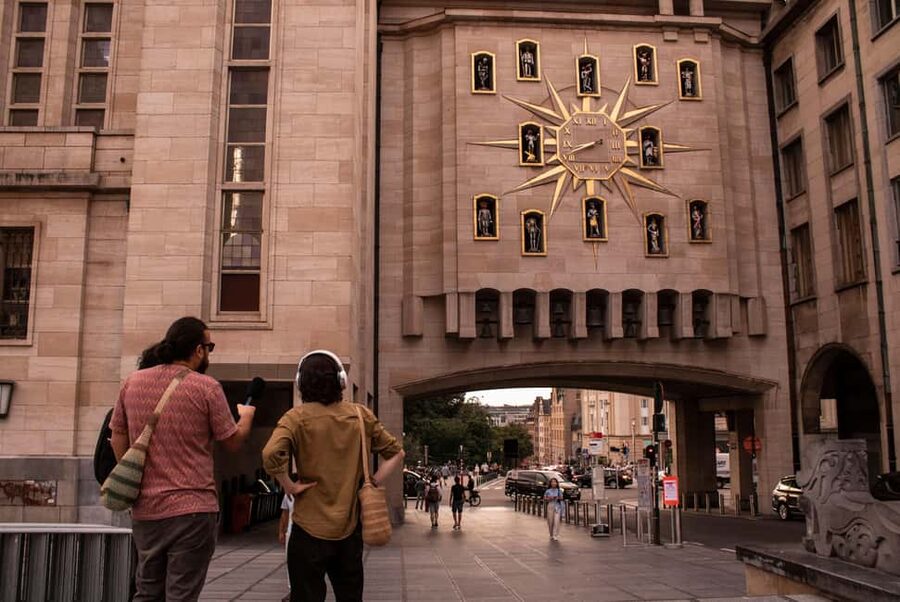
One of the tour’s strongest themes is music as a voice for change. The route includes listening to pieces tied to independence movements, framing certain songs and anthems as tools for resistance and emotional force.
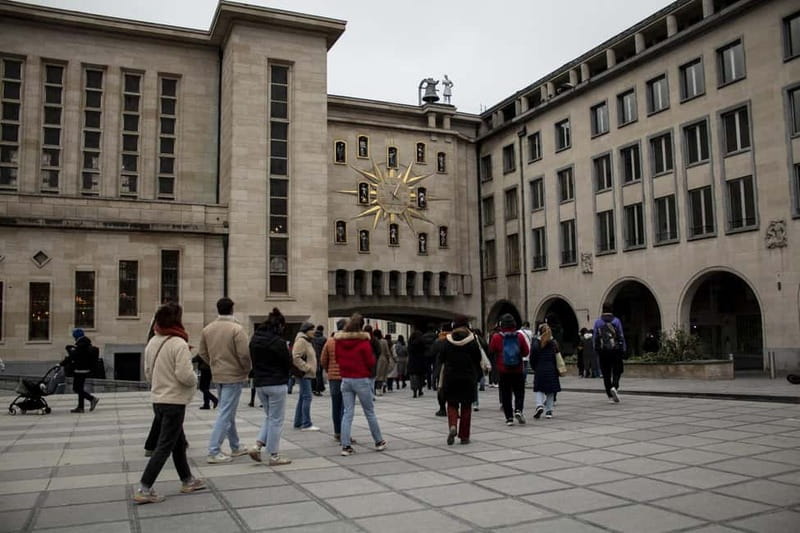
Then you reach Mount of the Arts (Mont des Arts), a place the tour uses to discuss cultural influence, including African music’s influence in Brussels. Even if you are not a specialist, the way the guide ties music to this viewpoint helps you see the city as a place where cultures mix and echo each other.
This section is especially valuable because it widens the definition of “Belgian music.” Instead of only focusing on chanson or opera, you hear how migration, public life, and community traditions can shape a city’s soundscape.
Jacques Brel foundation, then Manneken Pis, the comedy that history songs love
Brussels has plenty of famous artists, but the tour gives you a focused stop at the foundation of Jacques Brel. This is where the story turns toward chanson and emotional expression, with Brel positioned as an icon of Belgian identity.
I like this middle-of-the-walk choice because it does not feel like a museum detour. It is more like a guided pause that tells you why this artist’s voice became bigger than one career. You come away understanding what people mean when they talk about Brussels and emotion through song.
After that, you hit Manneken Pis, described as the most irreverent statue that has inspired songs and festivals for centuries. This is a smart placement because it breaks the intensity of political and cultural themes with the city’s humor.
If you enjoy learning the “why” behind famous local quirks, this part is a guaranteed payoff. You will start noticing how often Brussels’ legends involve performance, costumes, and public celebrations.
Grand-Place and Bourse, where festivals, concerts, and public life show up
You then arrive at the Grand-Place, the heart of the city and a UNESCO World Heritage Site. Here, the tour connects music to major festivals and concerts that have played out in this square for centuries.
A standout cultural thread is the Ommegang, described as a UNESCO heritage festival. The tour ties this festival and music to the way Brussels gathers people and turns history into a shared event.
From there, the walk includes the Bourse (Brussels Stock Exchange) area. Even without turning this into a finance lesson, the stop works because it reflects Brussels’ social and cultural evolution, the way music and public events historically attach themselves to places where people meet and exchange ideas.
This section is where you see the city’s “stage” quality. When you listen while standing in these spaces, the buildings start to feel like part of the performance setup.
Ending at La Monnaie, Belgian opera and a final sound experience
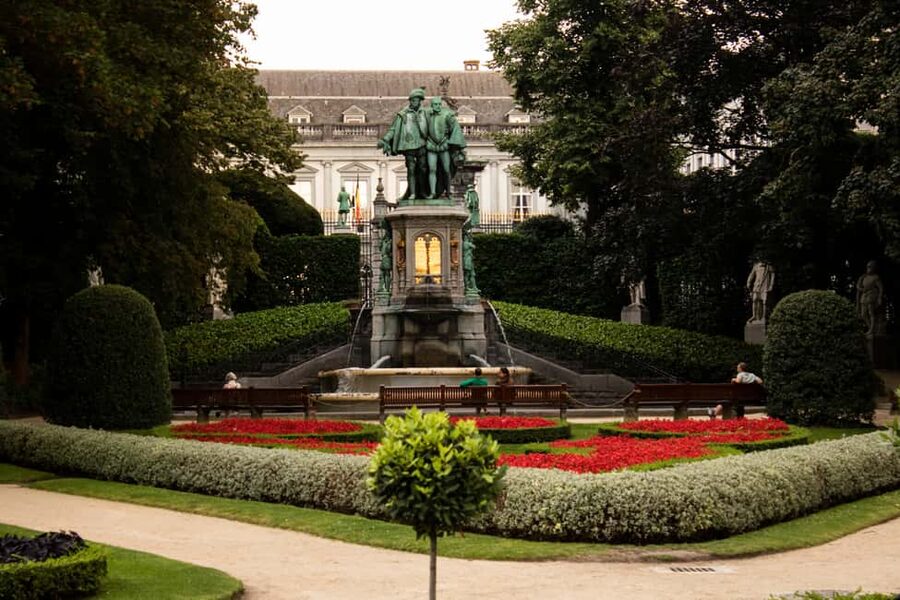
You finish at Teatro Real de la Moneda, La Monnaie, the birthplace of Belgian opera in the way the tour frames it. The building’s imposing architecture becomes part of the story, and the guide includes fragments of famous operas before closing with a final sound experience.
This ending is a great match for the themes you have been hearing all along. Early stops cover music as city evolution, education, instruments, and political identity. Ending with opera ties those threads together with a form known for emotion, dramatic storytelling, and public cultural impact.
If you like arts architecture, you will probably appreciate the atmosphere here, even if opera is not your usual comfort zone.
Price and value: what $14 buys you in real listening time
At $14 per person for 2 hours, this tour hits a sweet spot for value in central Brussels. You are not just paying for walking and talking. You are paying for headphones, music picks timed to each stop, and a Spanish live guide.
The biggest value driver is the guided listening design. Many city tours give you facts at each stop. This one gives you a sound track to go with the facts, and that makes the route feel longer than the clock suggests.
It also avoids the “too many tickets” problem. You can spend your money on the experience itself rather than layering on several separate attractions.
Logistics that matter: headphones, sound interference, and meeting point
The included headphones are key, because outdoors is unpredictable. One report noted occasional sound interferences, which is worth factoring in if you are sensitive to audio quality. If you can, arrive a few minutes early and put the headphones on right when you start, so you get stable volume from the beginning.
Your meeting point is very specific. The guide carries an open umbrella with the MUSA logo. That visual cue is there for a reason, and it is the best way to make sure you are with the right group.
Also note two tour rules that affect how you participate: audio recording is not allowed, and littering is not allowed. If you like to save things from tours, plan to take notes instead of recording.
One more practical point: this tour is Spanish only, including the live guide and the audio support. If you want English narration, this one is not the right fit.
Who this tour suits best, and who should think twice
This is a strong pick if you:
- enjoy history that you can hear, not just read about
- like music culture, from instruments to chanson to opera
- want a central Brussels route that stays focused and has a theme
It is also a good choice for art lovers, since the stops repeatedly connect music with institutions and public life.
It is not suitable for everyone. It is listed as not suitable for wheelchair users, people over 80, people over 95, babies under 1 year, and hearing-impaired people. If any of those apply to your group, you will want to choose a different format.
A quick cautionary note on guide arrival
Everything depends on the group starting on time at the meeting point. There is at least one documented case where a participant waited and did not see the guide appear, and the contact attempt was unsuccessful. That does not mean it is common, but it does mean you should show up early, confirm the umbrella ID, and if the guide is missing, use the contact number shown in your app right away.
Should you book the Music Tour of Brussels (Spanish)?
Book it if you want Brussels through sound and stories, and you are comfortable listening closely for about 2 hours. The route covers major anchors of the city, and the music choices make each stop feel connected, not random.
Skip it if you mainly want a quiet, free-roaming sightseeing day, or if audio clarity is a deal breaker for you. Also skip if the listed age or hearing needs apply to you, because this experience is not presented as suitable for those circumstances.
If you do book, come ready for a guided listening route, not a typical walking tour. When it works, it is the kind of experience that leaves you remembering places by their sounds, not just their names.
The latest Brussels write-ups
- Taxi DE Brussels to Zaventem Airport★ 5.0 · 3 reviews
- Taxi to Brussels National Airport DE Brussels★ 3.5 · 17 reviews
- Taxi Brussels Airport < - > Airport DE Charleroi (1 to 8 places)★ 3.5 · 3 reviews
- PRIVATE MPV TRANSFER FROM/TO BRUSSELS AIRPORT (Max 6 pax) ONE-WAY★ 5.0 · 4 reviews
- Standard vehicle from Brussels airport to city of Antwerp★ 5.0 · 4 reviews
- Luxury vehicle from Brussels airport to the city of Brussels★ 4.0 · 5 reviews
- Private transfer from BRU Airport to Brussels city with luxury limousine 3 pax★ 4.5 · 8 reviews
- Transfer Brussels Airport –> Brussels MB V Class 7 PAX (ONE WAY)★ 5.0 · 4 reviews
Brussels Tours, compared.

Atomium Entry Ticket with Design Museum Ticket
Read our review →
Choco-Story Brussels: Chocolate Museum Entrance with Tasting
Read our review →
Bruges and Ghent – Belgium’s Fairytale Cities – from Brussels
Read our review →

Hungry Mary’s Famous Beer and Chocolate Tour in Brussels
Read our review →
Belgian Chocolate Making Workshop with Tastings
Read our review →Browse the lists this tour appears in