
REVIEW · MUSEUMS
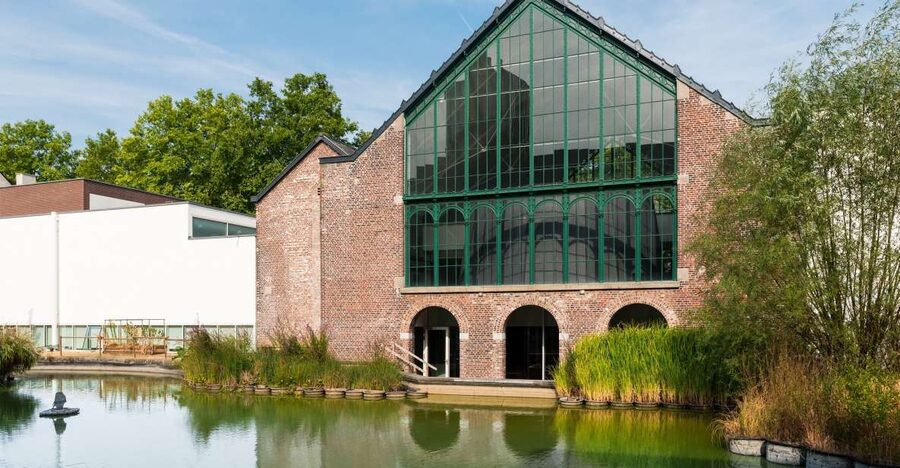
Mons : the Mons Memorial Museum
War feels close at the Mons Memorial Museum. With an $11 ticket, you get a timeline that runs from early conflicts all the way to WWII, but the museum keeps it human, not abstract. I especially liked the veteran interviews and the tangible WWI artifacts like a preserved bread ration and period weapons. One possible drawback: there is no guided tour or audio guide, so you will need to be ready to read and take your time on your own.
This is the kind of museum that asks what war does to everyone, not just the front lines. You spend time with soldiers’ diaries and letters, and you also get civilian life during war and occupation, with the relationship between civilians and military treated as a real theme.
Plan for 1 day and expect an emotional mix of history and firsthand voices. Since the entry is tied to a chosen time slot, show up in that window so you can start smoothly, and be aware the subject matter can be heavy.
In This Review
- Key moments worth targeting at Mons Memorial Museum
- First stop: Mons Memorial Museum as a self guided experience
- A timeline that goes far past WWI
- Soldiers up close: diaries, letters, postcards, and daily decisions
- Civilian life in war and occupation
- WWI artifacts that make history feel physical
- The emotional core: recorded veteran interviews
- Moving from earlier conflicts to WWII closure
- What no guided tour means for your planning
- Languages and ease of understanding
- Pricing and value: is $11 good?
- Who should book Mons Memorial Museum
- Practical tips to make your visit smoother
- Should you book? My honest call
Key moments worth targeting at Mons Memorial Museum
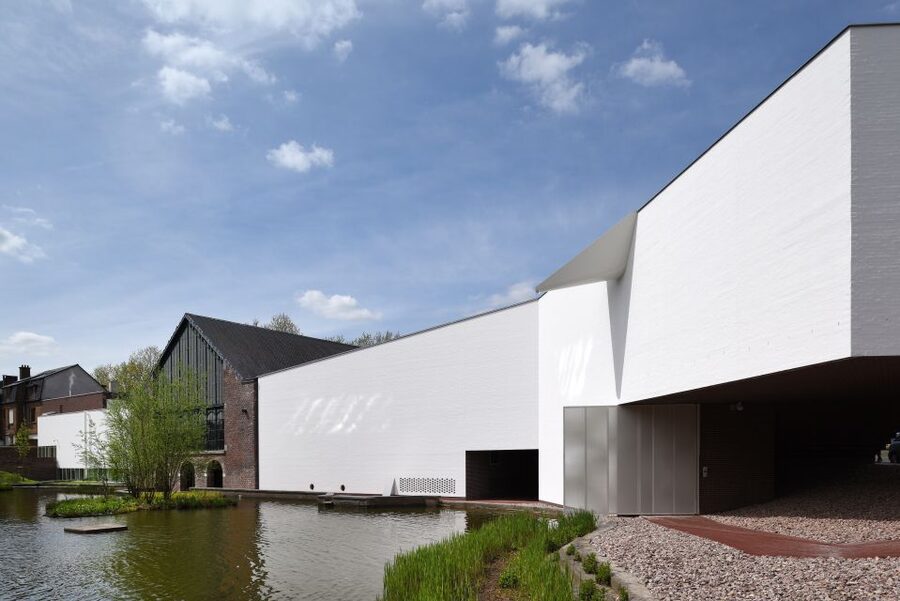
- Veteran interviews on record that turn names and dates into lived experience
- Diaries and letters that focus on daily reality, not just battles
- WWI objects you can actually picture, including preserved bread rations
- A documented WWII ending and a longer war story, stretching beyond WWI
- The civilian angle, showing what occupation does to everyday routines
First stop: Mons Memorial Museum as a self guided experience
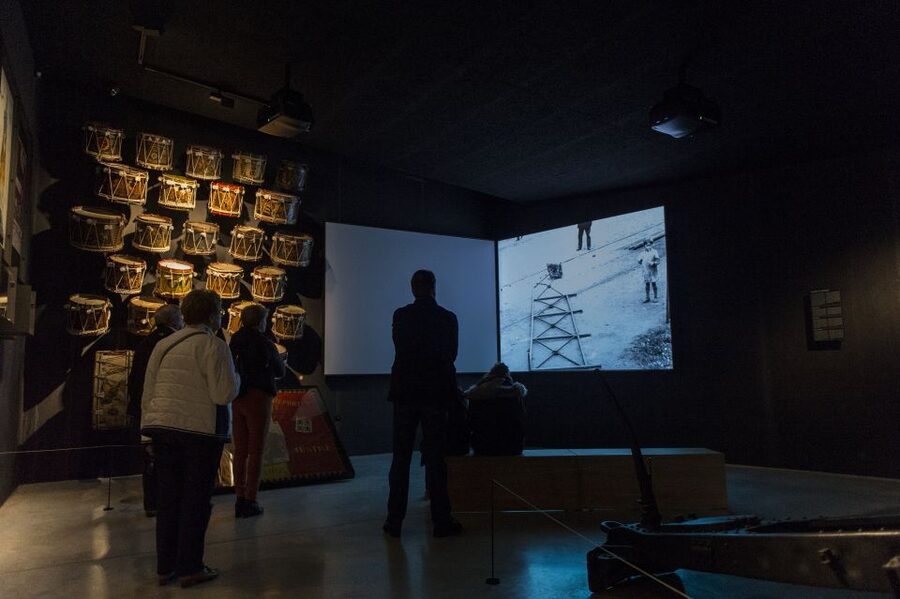
You are buying one simple thing: entry to the Mons Memorial Museum. That matters, because your visit becomes self guided. There is no guided tour included, and no audio guide, so the value is in how the exhibits are designed to work without a narrator.
I like that setup when I want a slower pace. You can spend 10 minutes on a text, step back, then come forward again. You can linger at the objects that hit hardest. You can also skip what feels repetitive and focus on what connects most to your interests.
The museum is open with a selected time slot, and your ticket arrives by email for presentation at reception. This is a good model if you hate standing around waiting, but it also means you should plan your schedule around your chosen entry window.
A few more Belgium outings worth a look
- Brussels: Atomium Entry Ticket with Design Museum Ticket
★ 4.4 · 9,254 reviews - Choco-Story Brussels: Chocolate Museum Entrance with Tasting
★ 4.3 · 4,883 reviews - Bruges: Choco-Story Museum with Audio Guide and Tastings
★ 4.2 · 1,825 reviews
A timeline that goes far past WWI
What makes this museum more than a single-war museum is the range. You start with the devastating effects of war that stretch back to the Middle Ages, and you continue forward through later conflicts until WWII.
That bigger timeline is not just “more years.” It changes how you understand the theme. Instead of WWI being treated like a standalone horror, you see patterns in how societies handle violence, fear, and control. You also see how civilian and military roles shift as warfare changes.
If you only want WWI artifacts, you still get them. But if you want context, you get a longer arc that helps you connect the dots between occupation, survival, and the way people communicated under pressure.
Soldiers up close: diaries, letters, postcards, and daily decisions
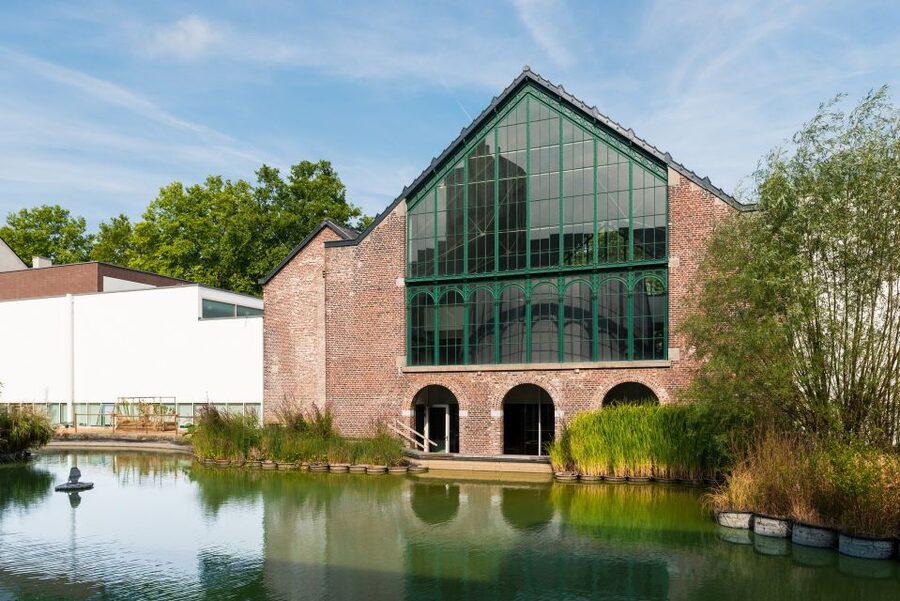
The museum’s strongest pull is how it brings you into everyday soldier life, especially through personal writing. You are shown soldiers’ diaries and letters to loved ones, plus postcards tied to human moments that do not sound heroic on purpose.
That “daily reality” focus is powerful because it breaks the common museum pattern of only telling you what happened on a given day. Here, the story is also about the in between: routines, uncertainty, and the mental strain of being far from home.
I like that it does not leave you at emotion alone. You also get structure around the broader relationship between civilians and military populations, which helps you interpret what the letters are saying. It is easier to read these documents as real communication rather than as sad props when the exhibit explains the situation they came from.
Civilian life in war and occupation
A lot of war museums focus on the battle. This one also focuses on the people waiting, coping, and trying to keep life going.
You learn about the day-to-day lives of civilians during war and occupation, and the museum keeps coming back to a core question: what happens when civilians and military populations are forced into the same space, under the same rules?
For me, that theme is a big part of why the experience feels balanced. Soldiers are not turned into the only “main characters.” Civilians are not treated like background scenery. You get the sense that occupation changes daily habits, access to food, movement, safety, and even the way people communicate.
Nearby, and a completely different afternoon:
- From Brussels: Guided Day Trip to Bruges and Ghent
★ 4.6 · 8,353 reviews - From Brussels: Bruges & Ghent Day Tour – 2 Fairytale Cities
★ 4.7 · 8,242 reviews - Ghent: 50-Minute Medieval Center Guided Boat Trip
★ 4.5 · 5,637 reviews - Bruges and Ghent – Belgium’s Fairytale Cities – from Brussels
★ 4.0 · 4,809 reviews
WWI artifacts that make history feel physical
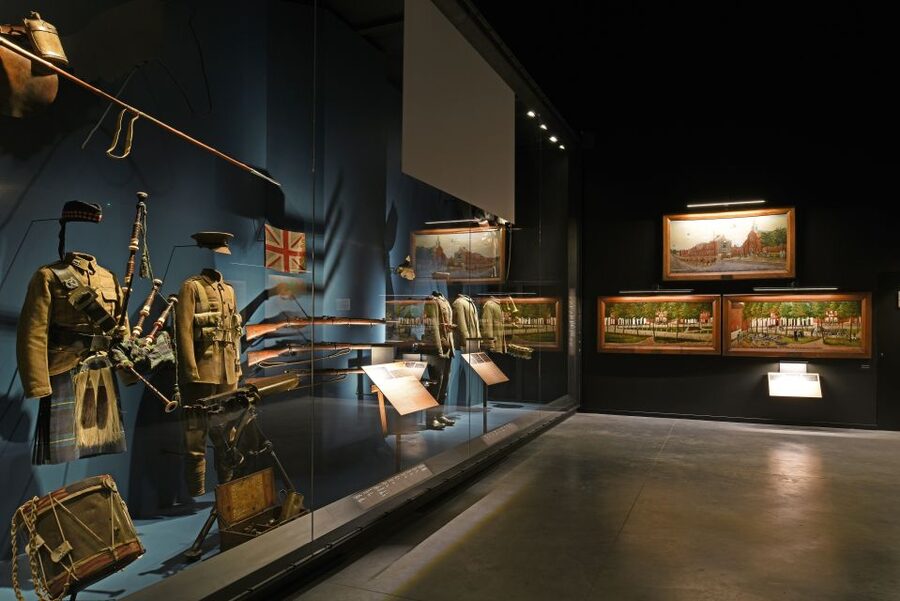
This is where the museum gets very concrete. You see artifacts from WWI, including items like German bombs and preserved rations.
One exhibit detail I would not skip if you care about material history: you can view the first one-tonne German bomb from 1917. That is the kind of fact that sounds like a headline until you see the scale and the evidence of what industrial war looked like.
You also see a soldier’s bread ration preserved in a bottle. Food is one of the most basic human needs, and rationing turns war into something immediate. When you see that ration displayed as an object, it stops being an idea and becomes a daily problem.
These items are not meant to entertain you. They are meant to help your brain visualize what written accounts describe. If you like museums where objects do the heavy lifting, this is a good match.
The emotional core: recorded veteran interviews
Recorded veteran interviews bring the museum’s message into the present tense. You do not just read. You listen to lived experience, with voices that carry memory, confusion, pride, and grief in the same breath.
This is also where the museum earns its strong visitor reactions. People describe it as a very moving experience, and that makes sense. When the museum shifts from documents to interviews, the tone changes from archival to personal.
I also noted that there is an exhibition connected to Didier Mahieu mentioned as emotional. If you see signage for that part of the museum, give it your full attention, because it is one of those sections that visitors tend to remember for a reason.
Moving from earlier conflicts to WWII closure
After the WWI focus and its stark artifacts, the museum continues the story to WWII. You keep watching how conflict reshapes lives across time, and how communication survives in different forms.
The benefit for you is perspective. WWII becomes less like a separate chapter and more like the continuation of a pattern: societies strained by occupation, civilians forced into new roles, and people writing to stay connected.
If you are short on time, I would not rush this final stretch. It helps you understand the “why” behind the personal materials. A diary or letter reads differently when you understand what came before and what came after.
What no guided tour means for your planning
Because there is no guided tour or audio guide, your success in this museum depends on how you like to learn.
If you enjoy reading exhibit text and taking notes in your head, you will probably find it satisfying. If you prefer someone talking to you, you might feel slightly untethered. The good news is that the museum has a clear structure, and the exhibits are designed to work as a walk-through.
One practical tip: bring your curiosity and a realistic time frame. With a 1 day visit, you can do a full circuit, then return to the sections you want to re-read. Without a guide, repeating sections is how you get the most out of it.
Languages and ease of understanding
The museum offers French, English, and Dutch. That matters because war stories are loaded with nuance, and translation can change how you feel the text.
Before you go, decide which language you want to read in, and stick with it. If you are comfortable in more than one, you might use bilingual captions to catch key details. If you are visiting with others of different languages, you can still share the physical objects, then split up to read the text in your preferred language.
Pricing and value: is $11 good?
At $11 per person, this is priced like an honest museum ticket, not a premium experience. The value comes from variety: handwritten documents, preserved artifacts, and recorded interviews, plus a timeline that covers more than one war period.
If you compare it to typical ticketed museums that focus on one era, the bigger timeline is a plus. If you compare it to experiences that rely on a guide to explain things, the lack of an audio guide is the only real subtraction.
Still, for the price, you are getting multiple modes of storytelling, and that is what makes the visit feel worth the time. You are not just looking at glass cases. You are reading, listening, and trying to connect civilian and military realities.
Who should book Mons Memorial Museum
Book this museum if you want war history that includes real people. It is especially suited to you if you care about:
- how civilians live under occupation
- how soldiers communicate when they are far from home
- WWI material evidence like rationing and large ordnance
- the long view from the Middle Ages through WWII
You might think twice if you hate reading exhibit text or if you need spoken commentary to stay engaged. In that case, plan for extra time, since there is no audio guide included to carry you through.
Practical tips to make your visit smoother
Start by choosing one main theme for your first pass: either civilian life, soldier writing, or WWI artifacts. Then, use your second pass to switch themes if you have time. With no guided tour, this method helps you keep momentum.
When you reach the personal documents, slow down. Diaries and letters work best when you let your brain read them like a message, not like a textbook.
Also, since the museum asks you to present within your chosen entry slot, do not treat your time slot as optional. If you arrive late, you may feel rushed, and the museum’s emotional sections deserve time.
Should you book? My honest call
Yes, you should book Mons Memorial Museum if you want a serious, human approach to conflict history. For $11, you get a strong mix of documents, interviews, and WWI artifacts with a timeline that extends beyond a single war.
If you mainly want quick spectacle, you might find it slower than you expect because it leans on reading and reflection. But if you enjoy museums where history is built from everyday details, this one is a smart use of a day in Wallonia.
The latest Belgium write-ups
- Taxi DE Brussels to Zaventem Airport★ 5.0 · 3 reviews
- Taxi to Brussels National Airport DE Brussels★ 3.5 · 17 reviews
- Visit of Bruges in 1 day private tour from Paris★ 5.0 · 3 reviews
- Taxi Brussels Airport < - > Airport DE Charleroi (1 to 8 places)★ 3.5 · 3 reviews
- PRIVATE MPV TRANSFER FROM/TO BRUSSELS AIRPORT (Max 6 pax) ONE-WAY★ 5.0 · 4 reviews
- Standard vehicle from Brussels airport to city of Antwerp★ 5.0 · 4 reviews
- Luxury vehicle from Brussels airport to the city of Brussels★ 4.0 · 5 reviews
- Private transfer from BRU Airport to Brussels city with luxury limousine 3 pax★ 4.5 · 8 reviews
Museums, compared.
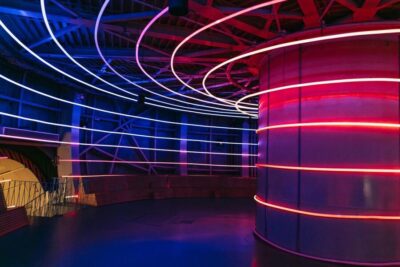
Atomium Entry Ticket with Design Museum Ticket
Read our review →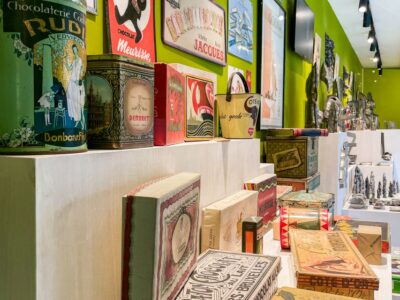
Choco-Story Brussels: Chocolate Museum Entrance with Tasting
Read our review →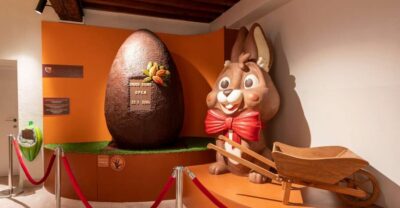
Choco-Story Museum with Audio Guide and Tastings
Read our review →
The World of Banksy Museum Permanent Exhibition
Read our review →
Chocolate Making Workshop and Chocolate Museum Entry
Read our review →Browse the lists this tour appears in