
REVIEW · DAY TRIPS FROM BRUSSELS
From Brussels: The Battle of the Bulge Remembrance Tour
WWII feels close in Bastogne’s quiet roads. This day trip takes you to the Ardennes American Cemetery and the famous Bastogne War Museum, where the story of the Battle of the Bulge becomes concrete, not vague. I like how the route moves from memorial to lived battlefield, so you’re not just looking at monuments, you’re understanding why each place matters.
I also love the human touch of the guides. I’ve seen names like Martin King, Stefan, and Jan pop up, and the common theme is energy plus context, so the museum scenes and the dug-out foxholes make sense fast. One heads-up, though: it’s a long day (about 11 hours) with walking and uneven ground, so it’s not a great pick if mobility is limited.
In This Review
- Key things to know before you go
- Brussels to the Ardennes, with time to get your bearings
- Neuville-en-Condroz American Cemetery, where the scale hits first
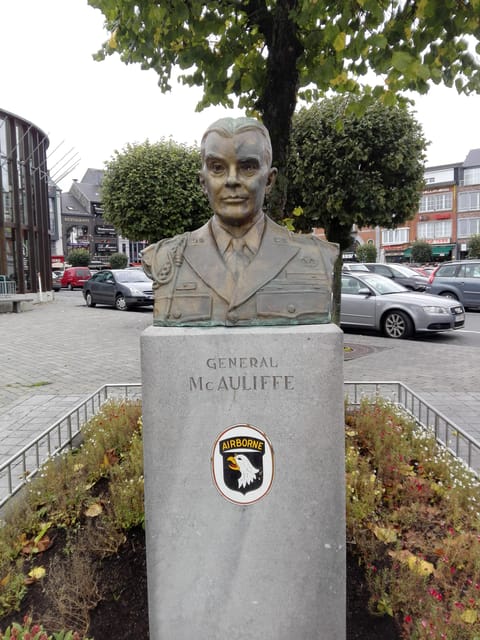
- Bastogne’s McAuliffe Square and the Allied symbol: M3 Sherman Tank
- Mardasson Memorial, star-shaped remembrance that guides your thinking
- Bastogne War Museum, 3D displays that turn names into scenes
- German cemetery stop, respectful context on both sides
- Foy foxholes and cavities, what “protection” looked like
- Pace, timing, and how to make the day feel worth it
- Price and value: what $97 buys you and why it can still feel fair
- Who should book, and who should pass
- Should you book this Battle of the Bulge day trip?
- FAQ
- How long is the tour from Brussels to the Bastogne area?
- What does the price include?
- Is lunch included?
- Where do I meet the tour?
- Where does the tour end?
- Is the museum entry guaranteed?
- Is the tour suitable for wheelchair users or limited mobility?
Key things to know before you go
- American cemeteries first: starts at Neuville-en-Condroz, with thousands of U.S. soldiers honored in neat white rows
- McAuliffe Square time in Bastogne: quick sightseeing plus a major photo stop in town
- Mardasson Memorial star-shaped tribute: a guided visit that frames what you’ll see next
- Bastogne War Museum is included: entry is part of the price, and the museum uses 3D displays to tell the story
- Foy foxholes and cavities: you’ll see the kind of protection dug by the 101st Airborne Division
- Two cemeteries, one battlefield mindset: you’ll pay respects on both sides, then step into the trenches mindset
Brussels to the Ardennes, with time to get your bearings
This is one of those days where you spend more hours in transit than you might expect, but the coaching works in your favor. You leave Brussels by bus, settle in, and the professional guide keeps the time moving with explanations of what led up to the Battle of the Bulge and how the fighting unfolded around Bastogne and nearby areas.
Expect a full day, not a light afternoon. The itinerary is built around a sequence of emotionally heavy stops, with short walks and a few photo breaks so you can reset your brain and take in what’s in front of you. You do not need a huge amount of local knowledge going in, because the guide fills in the gaps as you travel.
One practical point: bring comfortable shoes and plan to move at a steady pace. Even when the walking is listed as short, you’re still on museum grounds, cemetery paths, and outdoor battlefield terrain. Also, lunch is part of the day but not part of the price, so you’ll want to be ready to buy your own meal and drinks.
More day trips leaving Brussels:
- From Brussels: Guided Day Trip to Bruges and Ghent
★ 4.6 · 8,353 reviews - From Brussels: Bruges & Ghent Day Tour – 2 Fairytale Cities
★ 4.7 · 8,242 reviews - Bruges and Ghent – Belgium’s Fairytale Cities – from Brussels
★ 4.0 · 4,809 reviews
Neuville-en-Condroz American Cemetery, where the scale hits first
The tour begins at the Neuville-en-Condroz American Cemetery in the Ardennes. This is your first emotional anchor: rows of white crosses that honor thousands of U.S. soldiers who lost their lives here.
What I like about starting at the cemetery is that it sets the tone before the tour shifts into logistics and tactics. At this point, you’re not yet thinking about units, dates, or routes. You’re thinking about sacrifice, and the physical layout makes the scale hard to ignore. It’s the kind of place where you can stand quietly, look down the lines, and feel the difference between abstract WWII history and a real human cost.
The guide will add context about the cemetery and the broader battle, which helps you read the site instead of just passing through it. You’ll also get a strong sense of how the area is remembered in U.S. military history, not only in European WWII storytelling.
A small consideration: cemeteries are powerful. If you need lots of distractions to process emotions, this might feel intense early in the day. If you’re okay slowing down and taking it seriously, it’s a meaningful start.
Bastogne’s McAuliffe Square and the Allied symbol: M3 Sherman Tank
Next up is Bastogne, a stronghold during the Battle of the Bulge and the place where the Allied defense became a symbol. The tour gives you time in town around McAuliffe Square, enough to get your bearings and do a short walk and photos.
This stop works well because Bastogne is not just a battlefield label on a map. It’s a living town, with streets, shops, and places to eat, so the surrounding scenery doesn’t feel like a theme park. You’ll have that brief moment to look up from the war story and see the town where people actually live.
You’ll also have a major photo moment involving an imposing M3 Sherman Tank, a visual reminder of Allied resilience. Seeing the tank in person helps a lot. In photos, it’s just hardware. In person, you notice size and shape, and you start to understand how tanks were part of a real fighting strategy, not just a cinematic detail.
Timing is tight in town, so keep your focus. If your goal is photos, you’ll want to be ready to move when the group moves. If you want to linger for shopping, you might need to do it quickly during the Bastogne free moments, because the day continues soon after.
Mardasson Memorial, star-shaped remembrance that guides your thinking
After Bastogne, you head to the Mardasson Memorial, known for its star-shaped design and its role as a tribute to American soldiers killed in the battle. This is one of the stops where the guide matters a lot. A memorial is powerful on its own, but with an explanation of what you’re seeing and why it was designed this way, it becomes clearer how memory is shaped into a physical place.
The memorial visit is guided, with time built in to slow down and take in the structure before you move onward. I find this is the ideal point in the day to absorb symbolism. You’ve already been to the cemetery, and now you’re seeing remembrance designed to be read. It’s not only about loss. It’s about meaning, and about how the battle is remembered decades later.
What I like: the tour doesn’t treat this as a quick photo stop. It gives you enough minutes to stand, look, and understand what the site is trying to communicate.
More things to do in Brussels:
- Brussels: Atomium Entry Ticket with Design Museum Ticket
★ 4.4 · 9,254 reviews - Choco-Story Brussels: Chocolate Museum Entrance with Tasting
★ 4.3 · 4,883 reviews - Brussels: Hop-On Hop-Off Bus Tour
★ 4.0 · 4,016 reviews - Hungry Mary’s Famous Beer and Chocolate Tour in Brussels
★ 5.0 · 2,258 reviews
Bastogne War Museum, 3D displays that turn names into scenes
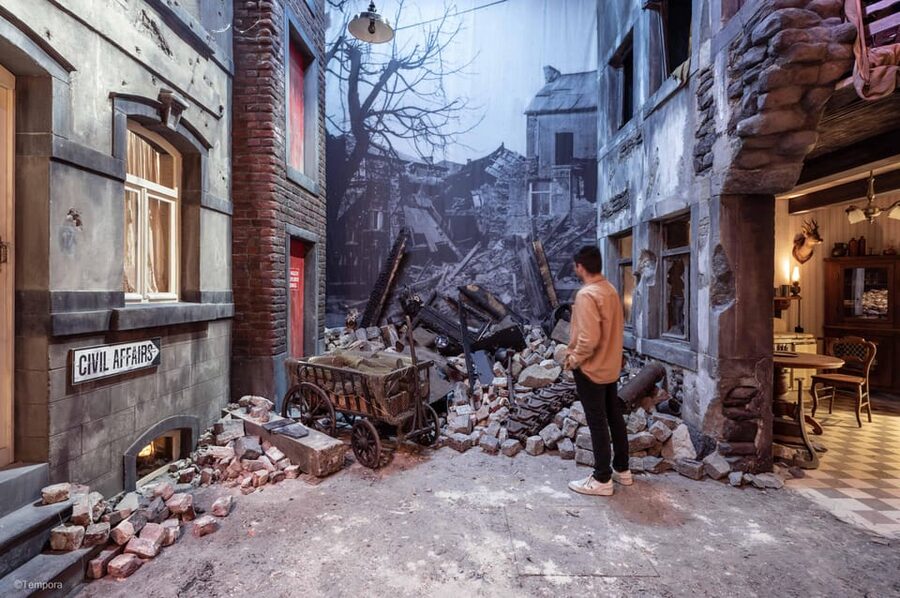
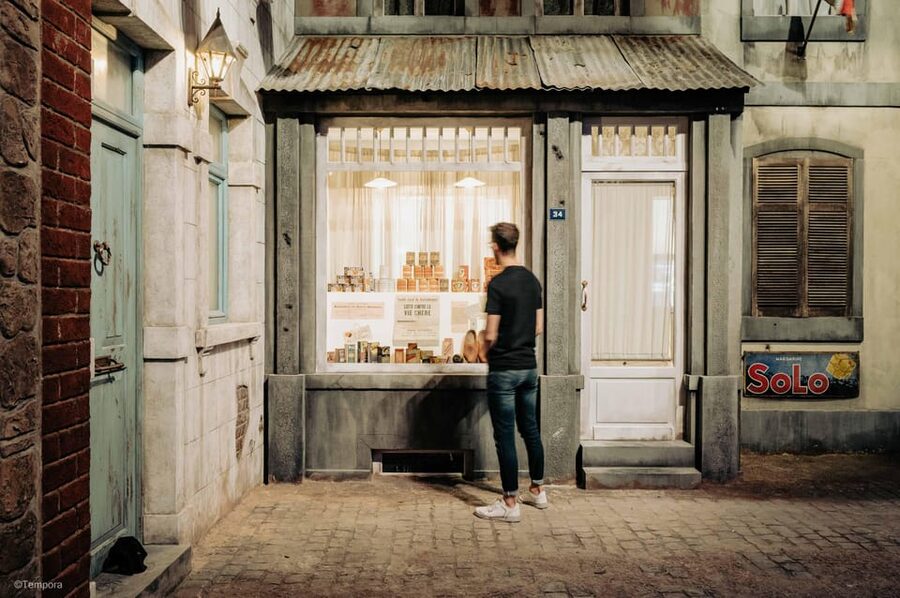
The biggest “learning engine” on this trip is the Bastogne War Museum, and it’s included in the price. The museum visit takes about two hours, which is a good length for a day trip because you get real time to move through the exhibits without feeling rushed immediately.
The museum uses 3D displays and tells the story with strong narrative structure, so when the guide has been talking about units, movements, and the pressure on Bastogne, you’re able to recognize it on the walls and screens. That connection can make the difference between seeing history and actually understanding it.
In the best guided days, the museum becomes a kind of answer key. For example, when guides like Martin King share background on the armies involved, later scenes in the museum feel like they click into place. You stop asking What is this? and start asking Why did it matter?
One practical note: the day is long, so pace yourself inside the museum. If you’re the type who likes to read every small panel, you might rush at the end simply because the group needs to keep moving. If you’re more interested in the big storyline and the battlefield scenes, you’ll likely feel satisfied and not rushed.
Also, the tour includes entry, and you can expect to skip the ticket line so you don’t waste time waiting outside.
German cemetery stop, respectful context on both sides
The tour also includes a visit to the German cemetery. This is an important detail because it avoids a one-sided approach. The Battle of the Bulge involved many armies, many places, and many casualties. Seeing the German cemetery helps you understand the broader human cost instead of keeping the story only in U.S. terms.
It’s still a cemetery, still quiet, still respectful. But it adds balance to the emotional arc of the day. You go from American remembrance to another layer of loss tied to the same fighting.
If you’re expecting a tour that only focuses on U.S. military sites, this stop might surprise you. I actually think it helps. The battle was not only about flags. It was about people. That cemetery visit makes the entire day feel more honest.
Foy foxholes and cavities, what “protection” looked like
The final major emotional stop is at the foxholes in Foy, a site once occupied by the 101st Airborne Division. This is where the tour stops being about monuments and becomes about survival.
Seeing the foxholes and cavities dug by American soldiers changes how you picture the battle. Instead of thinking about it as movement and big moments, you start picturing the physical reality: cramped, improvised protection; waiting; and the constant need to stay alive long enough for orders to catch up.
One of the most praised aspects of this tour is exactly this type of stop, because it lets you visualize what it meant to defend positions under extreme conditions. A guide can also help here by connecting the physical layout to what the soldiers were dealing with, so you’re not just looking at earthworks. You’re thinking about why those spaces existed.
This part of the day is also where comfortable shoes matter most. Terrain can be rougher than at the cemeteries and memorial grounds. It’s not a hiking day, but it’s outdoors and you will be on your feet.
Pace, timing, and how to make the day feel worth it
This is a full-day coach tour, and the rhythm is straightforward: travel, brief sightseeing/photo time, then guided memorial or museum time, then more outdoor stops. The itinerary includes lunch at a local restaurant, but you pay for food and drinks yourself.
Here’s how to make it feel efficient rather than exhausting:
- Use the coach time to mentally set your story up for the next site. When your guide is explaining the background, you’re building context you’ll use at the museum and memorials.
- Plan your footwear around the outdoor stops at the end. If you’re wearing something that isn’t supportive, you’ll feel it after the foxholes.
- Keep your expectations realistic about Bastogne free time. It’s enough for quick viewing and photos, not enough for a long sit-down day in town.
Also, check the group’s flow. The tour is designed for a coordinated schedule, so if you step away for one extra photo, you might lose track and slow everyone down. If you’re traveling with a camera, take your shots during the assigned photo moments.
Price and value: what $97 buys you and why it can still feel fair
At about $97 per person, this is not a cheap history trip, but it’s also not a money-waster if you care about WWII sites. You’re paying for:
- Round-trip coach transportation from Brussels
- A professional English-speaking guide
- Included entrance to the Bastogne War Museum
- A structured route that strings together the cemetery, memorials, museum, and battlefield remnants
If you tried to assemble this day yourself by public transit, you’d spend time figuring out connections and you’d still need a way to get between sites efficiently. The coach solves the distance problem, and the guide helps you avoid feeling lost between stops.
So the value is strongest if you want more than “drive-by photos.” If you like hearing how places fit together, this tour makes the day feel purposeful. If you mostly want independent sightseeing and you like to roam slowly, you might feel you’re giving up freedom for guidance and timing.
Who should book, and who should pass
This is a good fit for history lovers, especially anyone who wants the Battle of the Bulge explained in plain terms and tied to real-world locations. It’s also a strong choice if you prefer a guided structure instead of spending your vacation piecing together transportation and visiting sites one by one.
Based on the tour’s format and the outdoor nature of the foxhole stop, it’s not recommended for people with limited mobility. There’s also walking involved, and the day includes outdoor terrain where you’ll need stable footing.
If you’re traveling with kids, you’d want to judge their patience. The museum and the cemetery can be a lot for younger visitors, but older teens or motivated students often do well if the guide’s explanations land for them.
If you’re the type who wants a quiet, respectful day with strong emotional weight, you’ll probably feel satisfied. This is not a light “gee, WWII, neat” excursion. It’s remembrance first, with details that help you understand what happened.
Should you book this Battle of the Bulge day trip?
If you’re doing a Brussels visit and you want one day that feels focused, moving, and meaningful, I’d book it. The museum entrance is included, the route connects multiple memorial sites into one coherent story, and the foxhole stop gives you the physical sense of what protection actually meant.
I would pass if you need maximum physical comfort, or if you strongly dislike long coach days with scheduled timing. Also consider whether you’re okay with an emotionally heavy sequence starting at the cemetery.
For most people who want a well-run, English-guided WWII experience in the Bastogne area, this is a very solid choice.
FAQ
How long is the tour from Brussels to the Bastogne area?
The tour lasts about 11 hours.
What does the price include?
It includes transportation by bus, a professional English-speaking guide, and entrance to the Bastogne War Museum.
Is lunch included?
No. Lunch and beverages are not included, though there is time built into the day to eat.
Where do I meet the tour?
Look for the staff and the Keolis coach outside the National Bank of Belgium.
Where does the tour end?
The tour finishes at Central Station.
Is the museum entry guaranteed?
Yes. Bastogne War Museum entrance is included, and the tour skips the ticket line.
Is the tour suitable for wheelchair users or limited mobility?
No. The tour is not recommended for people with limited mobility and is not suitable for wheelchair users or people with mobility impairments.
The latest Brussels write-ups
- Taxi DE Brussels to Zaventem Airport★ 5.0 · 3 reviews
- Taxi to Brussels National Airport DE Brussels★ 3.5 · 17 reviews
- Taxi Brussels Airport < - > Airport DE Charleroi (1 to 8 places)★ 3.5 · 3 reviews
- PRIVATE MPV TRANSFER FROM/TO BRUSSELS AIRPORT (Max 6 pax) ONE-WAY★ 5.0 · 4 reviews
- Standard vehicle from Brussels airport to city of Antwerp★ 5.0 · 4 reviews
- Luxury vehicle from Brussels airport to the city of Brussels★ 4.0 · 5 reviews
- Private transfer from BRU Airport to Brussels city with luxury limousine 3 pax★ 4.5 · 8 reviews
- Transfer Brussels Airport –> Brussels MB V Class 7 PAX (ONE WAY)★ 5.0 · 4 reviews
Day Trips from Brussels, compared.
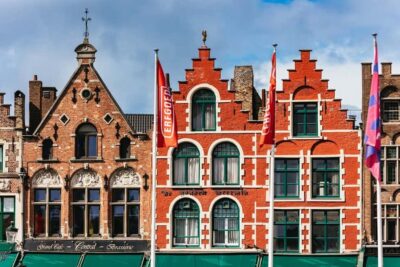

Bruges and Ghent – Belgium’s Fairytale Cities – from Brussels
Read our review →

Browse the lists this tour appears in