
REVIEW · DAY TRIPS FROM BRUSSELS
From Brussels : Napoleon’s Last Campaign in Belgium Tour
Three battlefields, one last campaign. This 6-hour tour from Brussels strings together Napoleon’s last campaign sites in order, from Ligny to Waterloo, with a live guide and private transport that keeps your day efficient. You start with hotel pickup, then you spend the afternoon moving between the key moments that led to Napoleon’s final defeat.
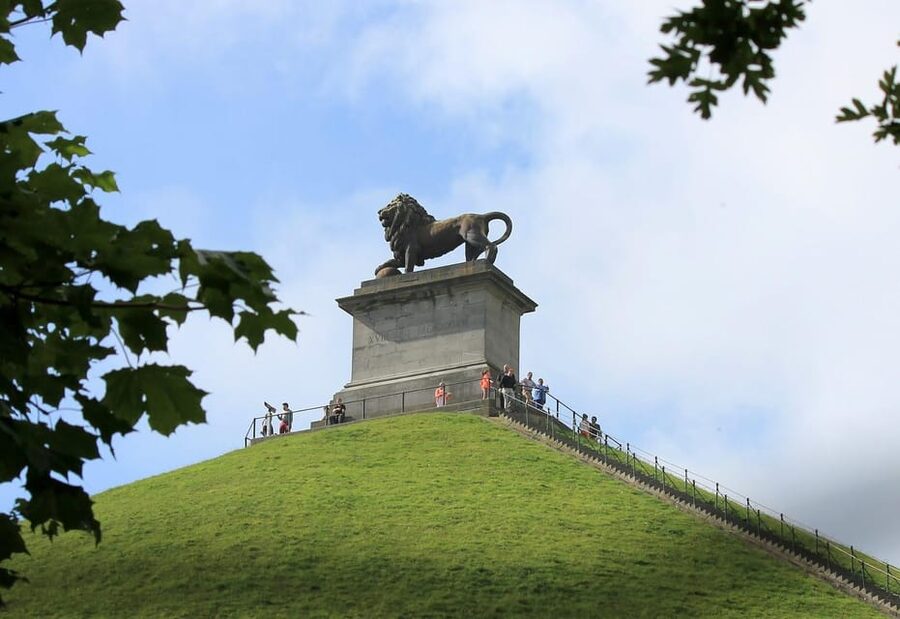
I love the way the route forces you to read the ground, not just the names, and the guide’s ability to connect geography with what happened when. You’ll also like the payoff at the end, where you reach Lion’s Hill and the Waterloo Memorial, including the Dutch-built commemoration tied to a wounded prince.
One possible drawback is the pace is tight: you get guided time at each main stop, plus a 1-hour lunch break where food is not included. If you want long, unstructured wandering or a very detailed pause at every single sight, you’ll need to treat this tour as a guided overview and ask a lot of questions to steer the depth.
In This Review
- Key highlights worth planning around
- From Brussels in one day: how the 6-hour format stays coherent
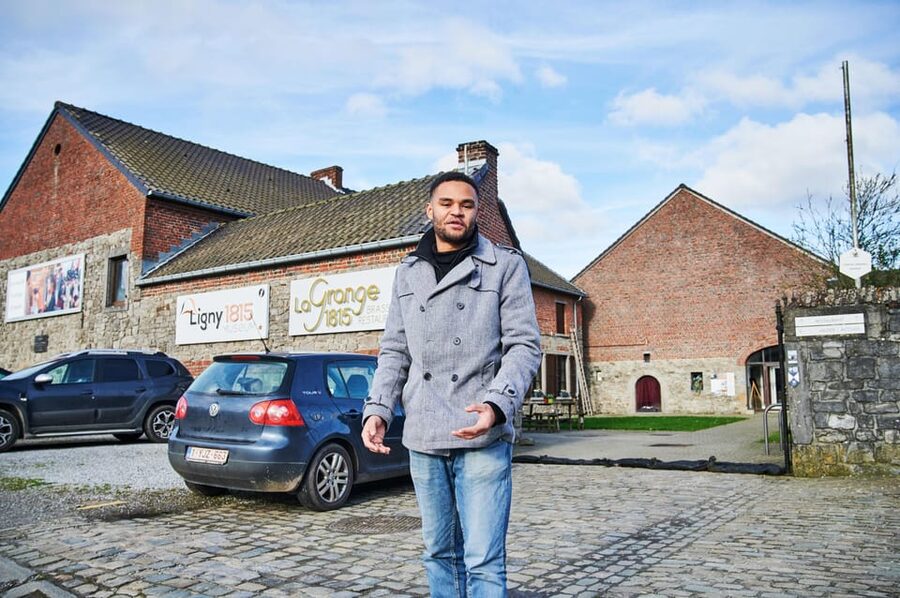
- Ligny: Napoleon’s last victory and why the terrain matters
- Quatre-Bras: the French and British clash that sets the stage
- Waterloo on the ground: following the fall of Napoleon
- Lion’s Hill and the Waterloo Memorial: seeing the Dutch viewpoint
- Lunch for 1 hour: how to budget and stay comfortable
- Price and value at $764 per person: what you’re really paying for
- Guide quality is the multiplier: how to get maximum value
- Who this tour is for, and who should pick something else
- Should you book this Napoleon’s Last Campaign tour?
- FAQ
- How long is the tour?
- Where does pickup happen?
- Which battlefields are visited?
- How long is the guided time at each main stop?
- Is lunch included?
- What languages is the guide available in?
- Is private transportation included?
- Are drinks included?
- What should I bring and wear?
Key highlights worth planning around
- Hotel pickup in Brussels, then private driving to the battlefields without transfers or timetable headaches
- Ligny first, where Napoleon achieved his last victory against the Prussians
- Quatre-Bras crossroads fighting, a smaller action that helps you understand the wider Waterloo setup
- Over two hours at Waterloo, enough time to connect the choreography of the day to the terrain
- Lion’s Hill and the Waterloo Memorial, including the Dutch commemoration of the victory and a wounded prince
- Value add-ins: private guide, private transport, drinks, fees, and a souvenir, while lunch food is the only extra
From Brussels in one day: how the 6-hour format stays coherent
This tour is built for people who want real context without a full day van adventure that burns daylight. You leave Brussels, you cover three of the campaign’s core sites, and you return the same day, with the guide doing the heavy lifting of tying locations to timing.
Because it’s private transportation with a live guide in French or English, you’re not stuck translating a map on the fly while buses shuffle around you. You also get a simple rhythm: quick guided orientation at Ligny and Quatre-Bras, then a longer, more detailed focus at Waterloo and the end point at Lion’s Hill.
Practical tip: wear comfortable shoes and bring weather-appropriate layers. Battlefields are outdoors, paths can be uneven, and you’ll be glad you dressed for comfort instead of fashion. Also, since drinks and fees are included, you can keep your money focused on lunch rather than unexpected small add-ons.
More day trips leaving Brussels:
- From Brussels: Guided Day Trip to Bruges and Ghent
★ 4.6 · 8,353 reviews - From Brussels: Bruges & Ghent Day Tour – 2 Fairytale Cities
★ 4.7 · 8,242 reviews - Bruges and Ghent – Belgium’s Fairytale Cities – from Brussels
★ 4.0 · 4,809 reviews
Ligny: Napoleon’s last victory and why the terrain matters
Ligny is where Napoleon fought his last victory against the Prussian army. Even if you already know the basic story, Ligny makes you slow down, because you start to see how movement, roads, and lines of approach shaped the outcome.
You’ll have about 45 minutes of guided time here, so the goal is orientation and interpretation: where armies were relative to key routes, how the ground steered action, and why this battle fed directly into the next crisis at Quatre-Bras and Waterloo. In the tour framing, it’s not treated as a random “stop,” it’s treated as a hinge in the campaign.
One detail that helps you grasp why Ligny matters is the scale of the losses there. In context, the Prussian losses at Ligny alone were around 20,000, and that number is a reality check: this was not a minor preliminary skirmish. It helps explain why the rest of the campaign could not simply reset and begin again.
What to watch for on the ground: don’t rush to take photos first. Stand where the guide points, listen for how the landscape channels movement, and then look again. The difference between seeing a field and understanding it can be the difference between memorizing names and truly following a battle.
Quatre-Bras: the French and British clash that sets the stage
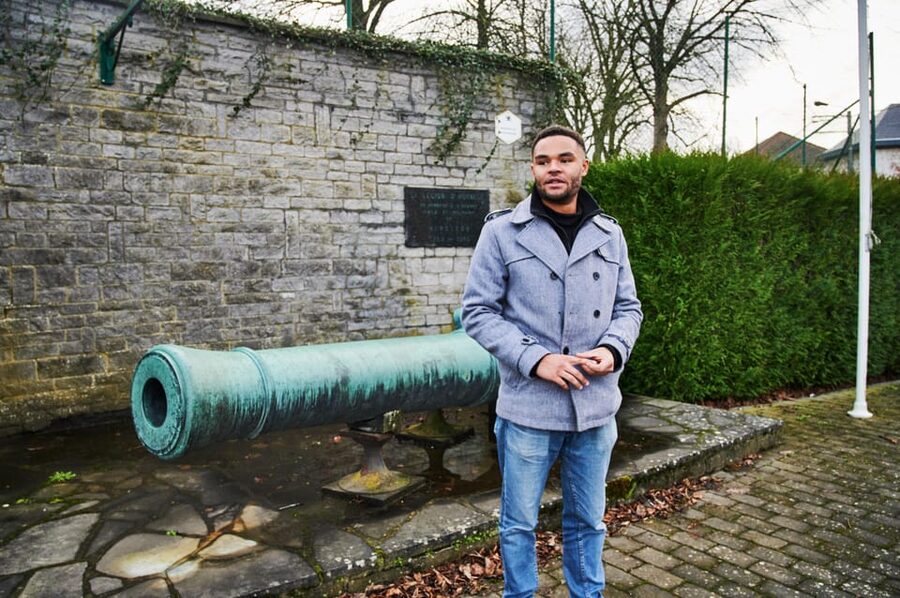
Quatre-Bras comes next, and the tour positions it as the moment where French and British forces clashed in the campaign’s unfolding logic. With about 30 minutes of guided time, it’s shorter here, which means your best strategy is to treat this stop like a link in a chain.
This is where you should ask one good question: what changed between Ligny and Quatre-Bras that made the Waterloo endgame possible? A strong guide will use this stop to connect timing, positioning, and decision-making. If your guide focuses on topography and chronology, you’ll feel how this “in-between” battle shaped the larger outcome.
Even without deep technical history, Quatre-Bras works because it gives you a sense of operational stress. You’re not only thinking about who fought, you’re thinking about coordination problems, the pressure on commanders, and the domino effect on subsequent movements toward Waterloo.
Practical note: since Quatre-Bras is guided for a limited window, don’t wait for the end of the tour to ask what you missed. If a concept, route, or unit isn’t clicking, ask right then. In a private tour, the guide can often adjust on the spot.
Waterloo on the ground: following the fall of Napoleon
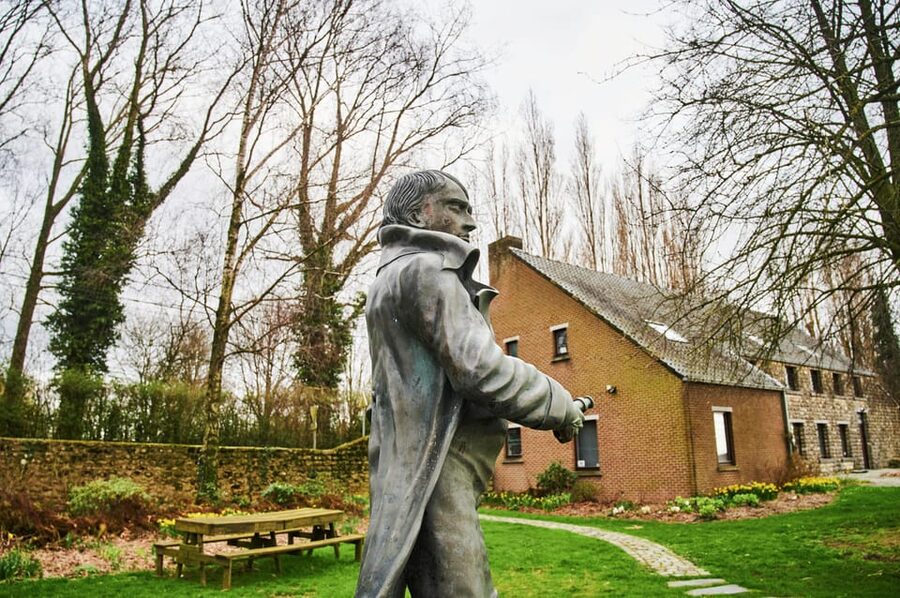
Waterloo is the big stop, with a bit over two hours of guided time. This is where the tour tackles the battle where Napoleon was defeated by the British and Prussian armies, and where you shift from understanding locations to understanding how the battle unfolded.
You’ll likely get help matching what you see to what happened on 18 June 1815. One standout piece of context that can really sharpen your understanding is the weather. A volcano eruption about two months earlier contributed to conditions that led to torrential rain, and that kind of weather changes how quickly units can move and how well formations hold.
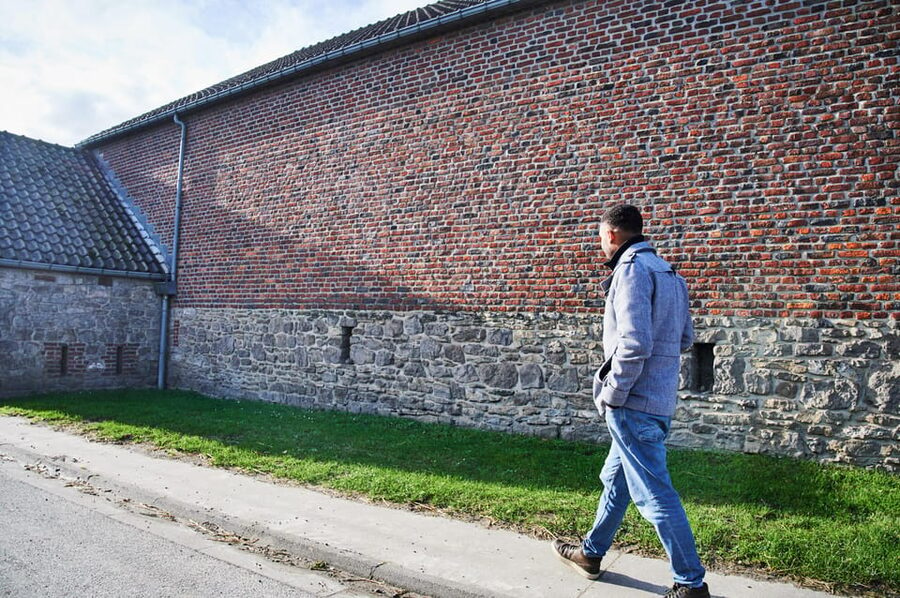
Then there’s the question of focus inside the battle. You might also encounter a short site video connected to Hougoumont, and it’s a useful primer if you want to understand why this stronghold became so central to French thinking. Even if you already know the famous parts of Waterloo, a guided walkthrough helps you see why certain objectives absorbed effort while other moves unfolded elsewhere.
How to make the most of your time at Waterloo: stand still during the explanation phase. When the guide talks about lines, angles, and timing, your job is to mentally map it onto the field in front of you. After that, take a few photos, then return to listening. That two-step process usually makes the whole day click.
If you come in with questions, this is the moment to use them. Ask about why the battle turned where it did, ask how the ground affected decision-making, and ask how the British and Prussian coordination showed up in what you can still see today.
Nearby, and a completely different afternoon:
- Brussels: Atomium Entry Ticket with Design Museum Ticket
★ 4.4 · 9,254 reviews - Ghent: 50-Minute Medieval Center Guided Boat Trip
★ 4.5 · 5,637 reviews - Choco-Story Brussels: Chocolate Museum Entrance with Tasting
★ 4.3 · 4,883 reviews - Bruges: Small Group Boat Cruise and Guided Walking Tour
★ 4.8 · 4,102 reviews
Lion’s Hill and the Waterloo Memorial: seeing the Dutch viewpoint
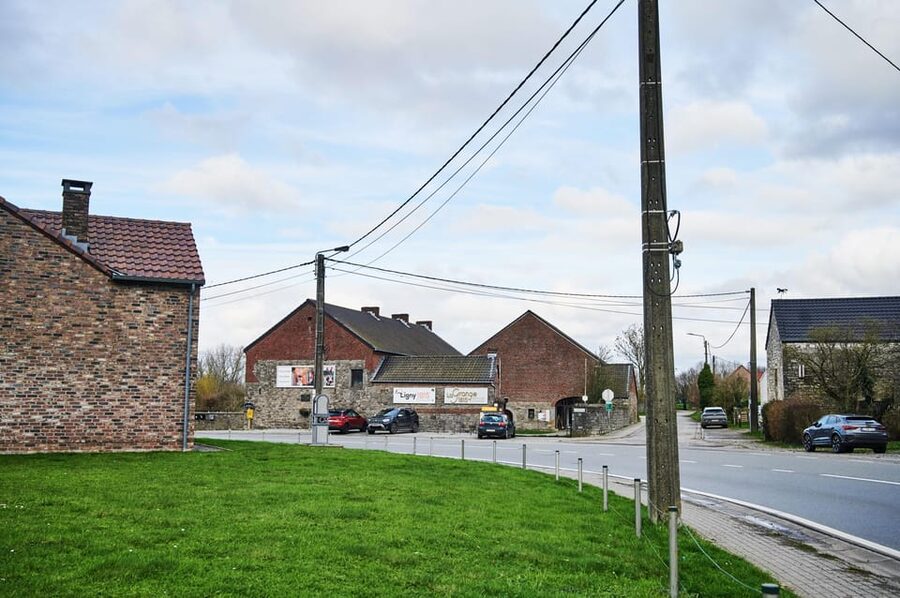
At the end of the tour, you head to Lion’s Hill and the site of the Waterloo Memorial. This is an important change of perspective. It’s not only a Napoleon story. It’s also the Dutch celebration of the outcome, built to mark the victory and tied to the wounded Dutch prince.
This matters because it reminds you that Waterloo shaped more than one national memory. You’re in Belgium, and Belgium’s ground carries layers of interpretation, including how neighbors and allies chose to remember what happened here. The tour’s decision to end at Lion’s Hill gives you that final context punch.
You’ll also get the practical payoff of ending at a place that’s designed for commemoration, so it’s easier to connect what you learned with what you can see. The tour also mentions the village area at Waterloo, which helps you ground the story in the places people lived and moved through, not just the battlefield proper.
If you want a quick checklist for this last stop: pay attention to what the memorial is meant to say, then look back at the battlefields you visited earlier. It’s a good mental exercise, because it shows you how geography and memory can overlap.
Lunch for 1 hour: how to budget and stay comfortable
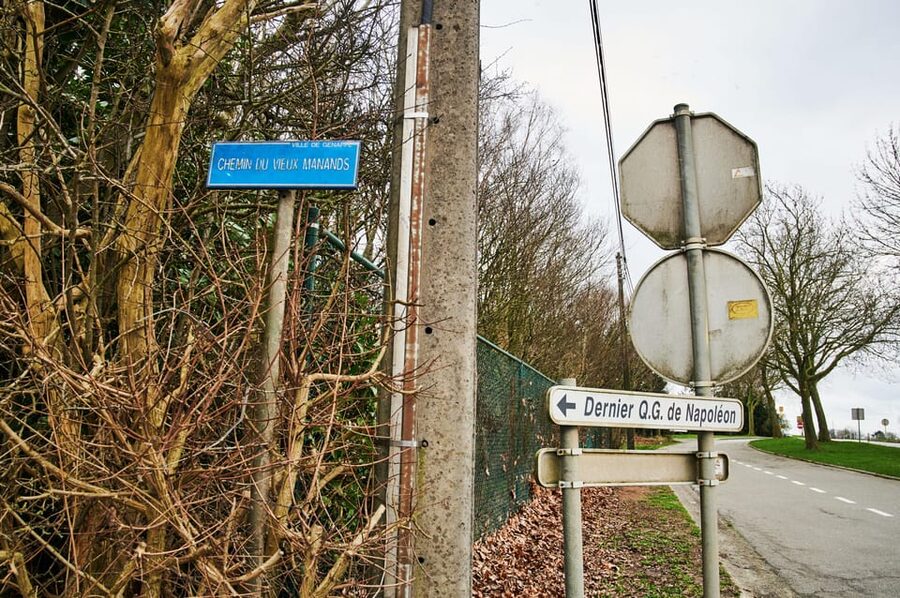
You get a lunch stop at a local restaurant for about one hour. The important bit is that food is not included, so treat lunch as an extra line item when you plan your total day cost.
Because your time is limited, you can make the most of the break by ordering efficiently. Stick to something filling but not too heavy, so you can still enjoy the last part of the tour without feeling sluggish after a long sit-down meal.
This is also a good chance to refill water, even though drinks are included in the tour package. Travel days on battlefields are all about pacing, and a full stomach paired with comfortable clothes usually means you stay engaged instead of counting down minutes.
Price and value at $764 per person: what you’re really paying for
At $764 per person for a 6-hour private tour, this is not a budget activity. But it does include the parts that typically cost money when you travel independently: private transportation, a private guide, drinks, fees, and a souvenir.
So the value question becomes this: are you paying for convenience and instruction, not just transportation? In a day that covers multiple sites, a guided approach can save you time and reduce guesswork about where to stand and what to look for. Private driving also matters here, since Brussels is your pickup point and Wallonia is your destination area.
Where you should still be clear-eyed: lunch food is not included, and the guided time at each stop is limited by the 6-hour schedule. If you want deep, slow, museum-style detail at every single location, this format may feel like a fast class lecture rather than a personal study session.
That said, if you’re the kind of traveler who likes to understand the “why” behind the “what,” the structure can be a good deal. You’re buying a clear narrative path across key locations, and that often beats trying to piece together the story on your own.
Guide quality is the multiplier: how to get maximum value
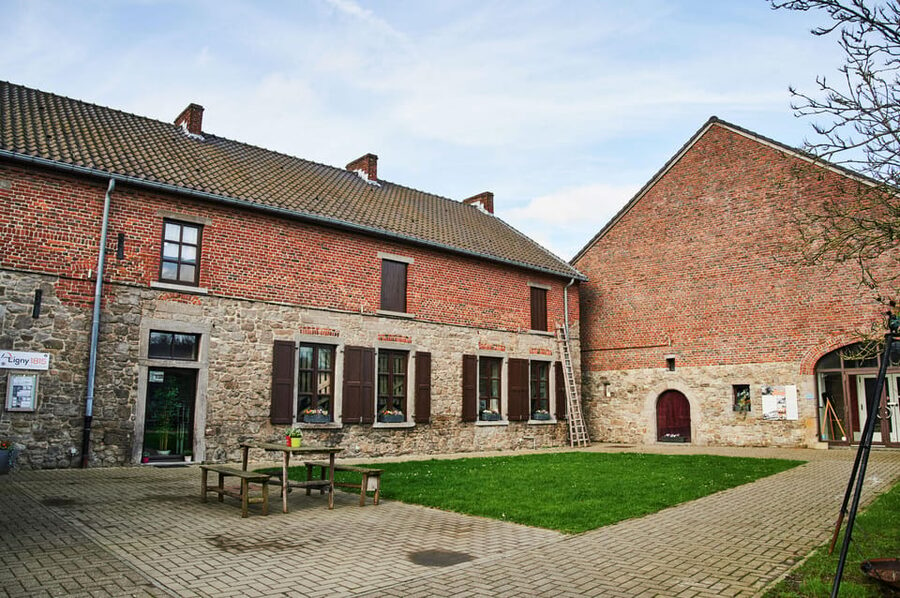
The biggest variable in any battlefield tour is the guide. When a guide focuses on explaining geography and the day’s sequencing, the battlefield goes from names on a map to an actual story you can follow.
In past experiences tied to this tour format, you’ll often see guide names like Jeremie, Eric, or Jeremy attached to praise for clear explanations of the campaign, the participants, the terrain, and how the chronology fits together. The common theme is not just facts, it’s structure: what happened first, what changed, and how you can tell by looking where you’re standing.
Even if you get a quieter style of interpretation, you can still get value by using simple tactics. Ask the guide to point out what the armies were reacting to. Ask what to look for in the terrain. Ask how weather and timing affected movement. On a private tour, those questions typically get better answers because the guide isn’t managing a large group.
Also, if Hougoumont or similar battle objectives come up, consider it a chance to understand Napoleon’s priorities rather than only the outcome. The tour atmosphere can make those kinds of details easier to hold onto.
Who this tour is for, and who should pick something else
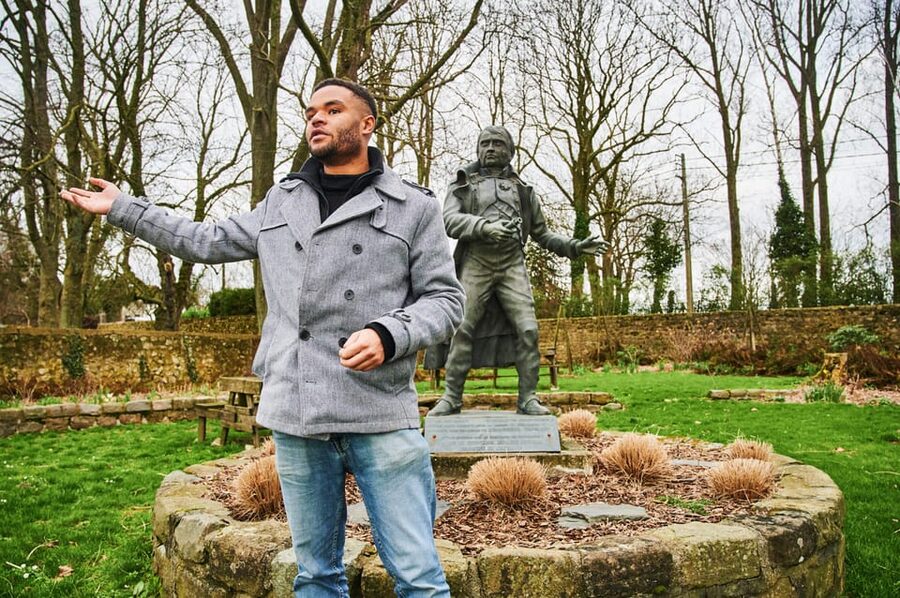
This tour fits best if you:
- Want a single-day plan that covers Ligny, Quatre-Bras, and Waterloo in a clear order
- Like guided storytelling that connects map, weather, and battle sequencing
- Prefer private transportation and a live guide in English or French
- Are willing to pay for convenience, time saved, and interpretation
You might want a different option if you:
- Need food included in the price, since lunch food is not included
- Want lots of free time to wander without a guide steering you
- Are extremely price-sensitive and can’t justify a premium private day
For most history-minded travelers with limited time, this is the kind of tour that saves you from the common problem of reading about battles that feel abstract until you stand in the right place.
Should you book this Napoleon’s Last Campaign tour?
If you want the Waterloo story to make sense, this is a strong choice. The route is built around the big decision points, and ending at Lion’s Hill adds an extra layer by bringing in the Dutch commemoration and the wounded prince connection. You’re also not left to figure out logistics, since hotel pickup, private transport, drinks, fees, and a souvenir are included.
My main caution is the pacing. You will not get an all-day slow stroll at every site, and lunch food costs extra. If you show up ready to walk for a few hours and ask good questions, you’ll likely feel like the day earned its price tag through clarity, not just driving.
FAQ
How long is the tour?
The tour duration is 6 hours.
Where does pickup happen?
Pickup is included from your hotel in Brussels and surrounding areas.
Which battlefields are visited?
The tour visits Ligny, Quatre-Bras, and Waterloo, with the day ending at Lion’s Hill and the Waterloo Memorial area.
How long is the guided time at each main stop?
Ligny has 45 minutes of guided time, Quatre-Bras has 30 minutes, and Waterloo has about 2.08 hours.
Is lunch included?
Lunch is included as a 1-hour stop, but food is not included in the price.
What languages is the guide available in?
The live guide is available in French and English.
Is private transportation included?
Yes, private transportation is included.
Are drinks included?
Yes, drinks are included.
What should I bring and wear?
Bring comfortable shoes and weather-appropriate clothing.
The latest Belgium write-ups
- Taxi DE Brussels to Zaventem Airport★ 5.0 · 3 reviews
- Taxi to Brussels National Airport DE Brussels★ 3.5 · 17 reviews
- Visit of Bruges in 1 day private tour from Paris★ 5.0 · 3 reviews
- Taxi Brussels Airport < - > Airport DE Charleroi (1 to 8 places)★ 3.5 · 3 reviews
- PRIVATE MPV TRANSFER FROM/TO BRUSSELS AIRPORT (Max 6 pax) ONE-WAY★ 5.0 · 4 reviews
- Standard vehicle from Brussels airport to city of Antwerp★ 5.0 · 4 reviews
- Luxury vehicle from Brussels airport to the city of Brussels★ 4.0 · 5 reviews
- Private transfer from BRU Airport to Brussels city with luxury limousine 3 pax★ 4.5 · 8 reviews
Day Trips from Brussels, compared.
Bruges and Ghent – Belgium’s Fairytale Cities – from Brussels
Read our review →

Browse the lists this tour appears in