
REVIEW · CHOCOLATE EXPERIENCES
Discover authentic Ghent with historian & taste the best chocolate
Ghent feels personal fast. This guided walk uses the city itself as the lesson, plus a real taste of the good chocolate. You meet at Sint-Baafsplein and start with the big picture, then zoom into the politics, religion, and everyday power that shaped this place. It is a smart way to see Ghent without getting lost, and to end with chocolate instead of just photos.
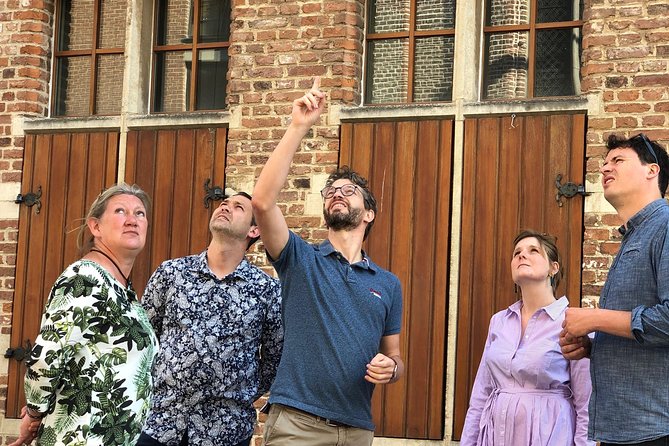
Two things I really liked: first, the guide, historian and teacher Wim, explains Ghent with confidence and warmth, so the stories land. Second, the route hits major landmarks in a logical flow, including St. Bavo’s Cathedral and the Stadhuis, with admission listed as free at each stop.
One thing to keep in mind: the tour is short, about two hours, so the chocolate moment is more of a break than a full-on chocolate day. If you want a long tasting session, plan extra time after the tour.
In This Review
- Key highlights before you go
- Getting your bearings at Sint-Baafsplein, and why that square matters
- St. Bavo’s Cathedral: building history and art treasures, up close
- Maaseikplein and Geeraard de Duivelsteen: legends that fit the city
- Hoogpoort and Korenmarkt: reading centuries in details
- Stadhuis and Stadshal: power struggles, revolts, and nicknames
- Het Groot Vleeshuis: how butchers ensured quality without refrigerators
- Gravensteen: when a castle is basically a message
- St. Veerleplein and the underwater details you actually can spot
- Graslei and Korenlei: the harbor scene that explains the city’s rhythm
- Chocolate stop: a taste that fits the timing
- Price and value: is $42.05 for two hours a fair deal?
- How the route feels in real life: pace, group size, and timing
- Who this Ghent historian and chocolate walk suits best
- Should you book this Ghent tour?
- FAQ
- How long is the Ghent historian and chocolate walk?
- What is the starting meeting point in Ghent?
- Where does the tour end?
- Is the tour offered in English?
- Is it a paid entry tour for the stops?
- How many people are in the group?
- Can I get a full refund if I cancel?
Key highlights before you go
- Start at Sint-Baafsplein for a quick, clever orientation to Ghent’s economic, political, cultural, and religious story
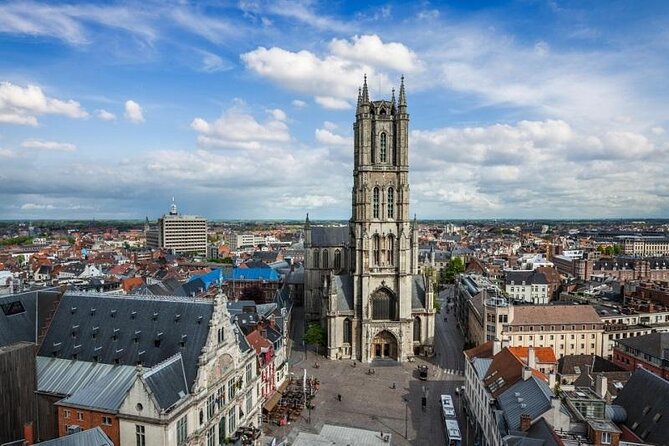
- St. Bavo’s Cathedral walkthrough to understand how the building and its art treasures fit the city
- Stories tied to real corners like Geeraard de Duivelsteen, Stadshal, and the devil and Viking legends on the Scheldt
- 13th-century Hoogpoort details that reward you for looking up, not just walking
- Het Groot Vleeshuis meat history and how butchers organized quality without modern refrigeration
- Graslei and Korenlei harbor views plus the chocolate stop that gives the walk a tasty finish
Getting your bearings at Sint-Baafsplein, and why that square matters
If Ghent is your first stop in Belgium, this tour starts in exactly the right place. You meet in Sint-Baafsplein in front of the white statue in the middle of the square. From there, the guide gives you a fast introduction to Ghent, then points to how the four big themes of the city, economic, political, cultural, and religious history, show up right on the square.
I like this approach because it prevents the common mistake: wandering beautiful streets without understanding why the buildings are where they are and why different groups mattered. In other words, you are not just sightseeing, you are learning how the city worked. Even if you only remember a few stories, you will start noticing patterns as you walk.
The pacing here is also useful. You get the framework first, then every next stop feels easier. That matters in a compact two hour format.
More Chocolate Experiences in Ghent
- Ghent: Belgian Chocolate Walking Tour with Tastings
★ 4.9 · 259 reviews - Brussels: Bruges & Ghent Tour w/ Cruise & Chocolate Tasting
★ 4.2 · 144 reviews - Ghent: Famous Belgian Chocolate Walking Tour with Tastings
★ 5.0 · 131 reviews
St. Bavo’s Cathedral: building history and art treasures, up close
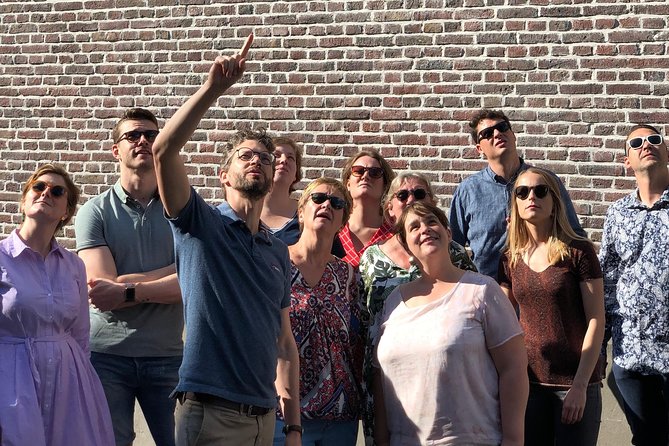
Next you head to St. Bavo’s Cathedral. This stop is brief, but it is not rushed into nonsense facts. You walk around the cathedral to pick up the building history and how its art treasures connect to the wider Ghent story.
What makes this worthwhile is that the guide treats the cathedral like a historical anchor. It is not only about architecture for architecture’s sake. You get to understand why this kind of religious landmark carried weight in daily life, and how the city’s identity tied itself to what the cathedral protected and displayed.
If you like classic European cities where the most dramatic buildings have layered stories, you will appreciate this stop. If you are expecting a long interior museum-style visit, you may find the time short, since this is designed as a walking tour with quick, high-impact stops.
Maaseikplein and Geeraard de Duivelsteen: legends that fit the city
At Maaseikplein, the tour playfully guides your eyes to an image that makes you think of the Van Eyck brothers. You are not just told to look, you are prompted to notice resemblance and context, which makes the stop memorable instead of forgettable.
Then comes one of my favorite parts of the route: Geeraard de Duivelsteen, also known as the Castle of Gerald the Devil. It sits on the Scheldt, and the guide connects the site to villains and stories like the Vikings and Geeraard de Duivel. The point is not that every legend is literally true. The point is that Ghent built its identity through story. Even the “castle” mood here makes sense when you understand the city’s history and how people used dramatic tales to explain danger and power.
If you enjoy quirky history, this is where you will likely smile. It also breaks up the heavier topics without losing educational value.
Hoogpoort and Korenmarkt: reading centuries in details
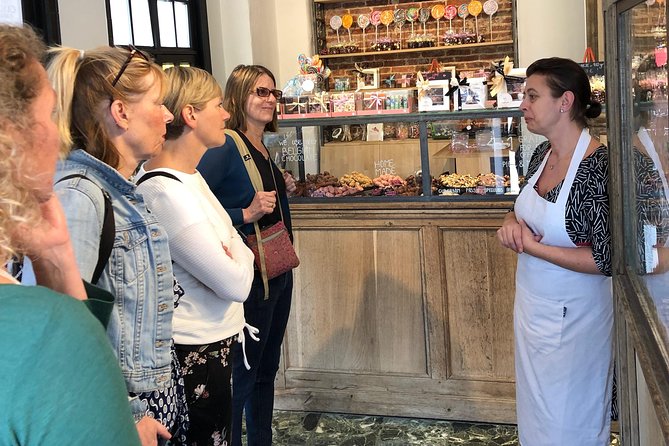
From there, you move into Hoogpoort, where you reflect on ancient buildings that date back to the 13th century. In a short stop, you learn what to look for and what the age of these buildings implies. The real win is that you come away with an instinct for how old the streets really are, even when they look like they belong to a tidy postcard.
Korenmarkt is the next step, and it leans into mystery. The houses there trace about 800 years of history, and some feature mysterious inscriptions. You do not need to be an expert on medieval language to get value from this. The guide helps you see why people left markings and what kinds of messages might have mattered to locals.
This is also where the tour starts feeling like a guided walking version of a city map. You are not just passing by; you are collecting clues.
More chocolate stops in Ghent:
- Ghent: Guided City Tour with Chocolate Tastings
★ 4.8 · 36 reviews - Chocolate history workshop Ghent
★ 5.0 · 34 reviews - Charlie’s Private Chocolate Tour (Ghent)
★ 5.0 · 34 reviews - Private Chocolate Experience in Ghent
★ 5.0 · 31 reviews
Stadhuis and Stadshal: power struggles, revolts, and nicknames
The tour then reaches Ghent Town Hall, known as the Stadhuis. This stop is longer than the small ones, around 10 minutes, and it is a good moment to slow your brain down for history that actually hit people.
You learn that the town hall was built for centuries. More importantly, you learn about Emperor Charles V and the revolt against him, and you hear about the nickname Gentenaars, often linked to the phrase noose bearers. It is the kind of story that makes a building feel personal. You stop thinking of the town hall as only a pretty facade and start thinking of it as a place where civic life and conflict collided.
Then you move to Stadshal, which is described as the most contested building in Ghent, and the guide shares its nickname during the stop. You are not left guessing. You get enough context to understand why people would fight over a civic structure in the first place.
If you like political history without heavy textbooks, these two stops are your payoff. They also help you understand why Ghent had such a strong identity for so long.
Het Groot Vleeshuis: how butchers ensured quality without refrigerators
At Het Groot Vleeshuis, the tour turns practical. You look at how the city’s butchers worked together in one building to guarantee quality in a time without refrigeration.
This is one of those details that sticks because it answers a question you probably never asked. How did a city keep meat quality consistent? The building layout and shared responsibility make it make sense. It is a reminder that “medieval” did not mean “random.” People systemized even when technology was limited.
The stop is short, about 5 minutes, but the explanation gives it weight. If you enjoy food history, this one delivers more than the typical quick photo stop.
Gravensteen: when a castle is basically a message
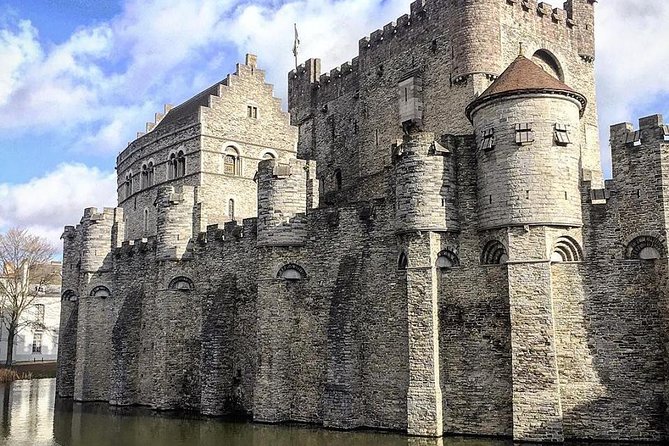
Next comes Gravensteen, the castle of the Counts of Flanders. The guide explains that the count wanted to show a fist to the inhabitants of Ghent, and built a small castle to do it.
I love how this framing changes your view. A castle is not automatically romantic. Sometimes it is pure political pressure, a physical reminder of who could control force. Even if you do not go inside during this particular walk, the idea sticks once you look at what the castle symbolizes in the city.
This is also a good point to catch your breath. The route keeps moving, but you have gotten enough background now that you are not just chasing landmarks.
St. Veerleplein and the underwater details you actually can spot
At St. Veerleplein, the guide leads you to search for Neptune, seahorses, and strange dolphins. This is one of those stops that feels silly until you realize it is exactly how medieval art communicated identity. Mythological figures on public spaces make culture visible, even for people who never stepped into a museum.
If you like tours that reward your eyes, this part is fun. You get a simple task, spot the details, and then move on.
Graslei and Korenlei: the harbor scene that explains the city’s rhythm
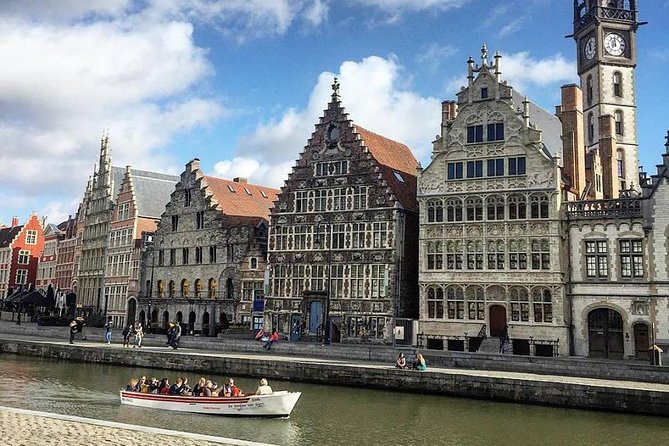
For many people, the highlight is the harbor along Graslei and Korenlei. You stand where skippers worked for centuries, and where they sought entertainment too. The guide gives this place context, so the waterfront is not only pretty, it is purposeful.
These two sides of the harbor help you connect the earlier political and economic themes to daily work. Ghent was shaped by trade and movement, and the Scheldt made that possible. When you see the water from these steps of history, you understand why Ghent could grow into a city that fought for its identity.
You end the tour at Saint Michael’s Bridge, at Sint-Michielshelling. Ending at the bridge is handy because it gives you an easy place to orient yourself for what you do next.
Chocolate stop: a taste that fits the timing
You asked for the best chocolate, and this tour includes chocolate along the walk. Based on the way the tour is built, think of it as a quality tasting moment, not a long session.
That is a good thing for most people. You get history, you get context, then you get a treat while the day is still moving. The one caution is that if chocolate is the main reason for your trip, you might want more time than the tour provides. The best move is to do this walk early in your day, then return later to a chocolatier you loved from the tasting.
Price and value: is $42.05 for two hours a fair deal?
$42.05 per person for about two hours is priced for what you get: a guided route through key Ghent landmarks, taught by a historian, in English, with a small-group size of up to 15 people. That small cap matters because it keeps the walk more interactive.
Also, the stops you visit list admission tickets as free. You are not paying extra just to stand near buildings or learn about them. Instead, you are paying for the explanation, the pacing, and the way the guide connects dots across the city.
If you like structured sightseeing, this offers strong value because it compresses a lot into one walk: orientation, major civic buildings, cathedrals, a castle, a meat hall, and a harbor scene, all without slowing down into museum lines.
How the route feels in real life: pace, group size, and timing
This is a walking tour with multiple short stops, ranging from about 5 minutes to 20 minutes at the square introduction. In total, you are walking and listening, then moving on quickly.
With a maximum group size of 15, you should feel like the guide can manage the group and keep you together. The tour also uses a mobile ticket, which is convenient. Since it is near public transportation, you can likely fit it into any Ghent itinerary without a car.
Bring comfortable shoes. Even though individual stops are short, your total walking time adds up. And for the smoothest start, go to Sint-Baafsplein and find the white statue in the middle area before the tour begins. That meeting point is specific, and arriving a few minutes early makes everything easy.
Who this Ghent historian and chocolate walk suits best
This tour is a great match if you want:
- Guided context for major Ghent landmarks without trying to research everything yourself
- A guide who tells stories in a way that helps you remember what you see, like Wim’s style as a historian and teacher
- A route that balances architecture, civic power, and food or practical history
- A small chocolate break that keeps the walk fun
You might skip it, or pair it with other plans, if:
- Chocolate is your top priority and you want a longer tasting time
- You dislike walking tours with multiple short stops, since this is built for brisk but meaningful sightseeing
Should you book this Ghent tour?
I think it is a strong pick for a first or second visit to Ghent, especially if you want to understand what made the city tick. The small-group setup, the English narration, and the way the route connects buildings to real political and cultural stories make it feel like more than just a highlight walk.
Book it if you want history you can see and a chocolate tasting that feels like a reward, not a distraction. Plan extra time after the tour if you want to chase more chocolate or linger by the harbor at a slower pace.
FAQ
How long is the Ghent historian and chocolate walk?
It lasts about 2 hours.
What is the starting meeting point in Ghent?
You meet in front of the white statue in the middle of Sint-Baafsplein, 9000 Gent, Belgium.
Where does the tour end?
It ends at Saint Michael’s Bridge, Sint-Michielshelling, 9000 Gent, Belgium.
Is the tour offered in English?
Yes, it is offered in English.
Is it a paid entry tour for the stops?
The listed stops show admission tickets as free.
How many people are in the group?
The tour has a maximum of 15 travelers.
Can I get a full refund if I cancel?
Yes. You can cancel up to 24 hours in advance for a full refund. If you cancel less than 24 hours before, it is not refunded.
The latest Ghent write-ups
- Walking Food Tour in Ghent★ 5.0 · 13 reviews
- Discover Ghent while playing! Escape game – The Walter case★ 4.5 · 4 reviews
- Ghent Walking Tour with Audioguide on Your Smartphone★ 4.5 · 13 reviews
- Discover Mons while playing! Escape game – The alchemist★ 4.0 · 5 reviews
- Sunset cruise★ 5.0 · 19 reviews
- e-Scavenger hunt Mons: Explore the city at your own pace★ 5.0 · 4 reviews
- Discover Ghent while playing! Escape game – The alchemist★ 4.0 · 4 reviews
- Private Ghent Beer & Brewery Tour by a young local★ 5.0 · 12 reviews
Chocolate Experiences, compared.

Choco-Story Brussels: Chocolate Museum Entrance with Tasting
Read our review →
Hungry Mary’s Famous Beer and Chocolate Tour in Brussels
Read our review →
Choco-Story Museum with Audio Guide and Tastings
Read our review →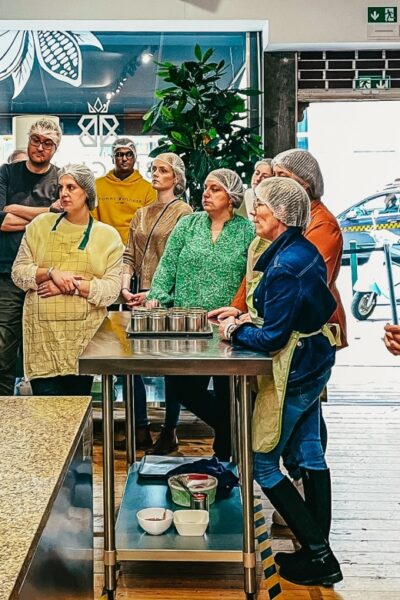
Belgian Chocolate Making Workshop with Tastings
Read our review →
Historical Tour with Chocolate & Waffle Tasting
Read our review →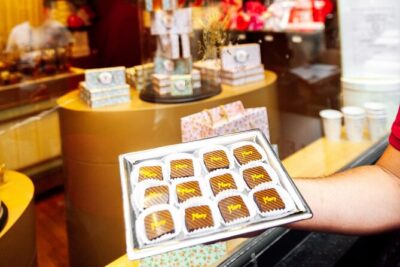
Historical Walking Tour with Chocolate & Waffle Tasting
Read our review →
Browse the lists this tour appears in