REVIEW · CITY TOURS
Brussels: Private Tour of the Upper and Lower City
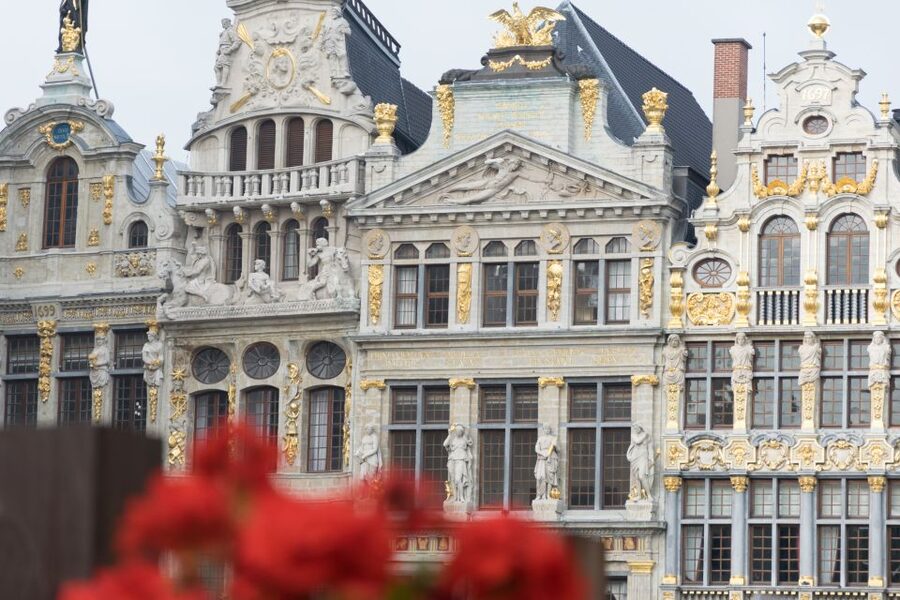
Brussels gets clearer when you see both levels. I love how this private route connects Grand Place to the big Upper City landmarks in a tight plan, and I also like that your guide weaves in real-world context on Art Nouveau, Belgian beer, and chocolate. One thing to consider: it is still a lot of ground to cover, and the Upper City includes an uphill climb, so wear proper shoes.
This tour is built for a small group with a professional guide in multiple languages, plus hotel pickup is available so you start without hassle. Museum time is flexible, and tickets are not included, so you may want to decide in advance what you actually want to go inside.
In This Review
- Key things to know before you go
- Why This Private Brussels Loop Works So Well in 3 Hours
- Lower City Starts at Grand Place, Then Manneken Pis and Street-Corner Landmarks
- Saint-Géry Island, St. Catherine, De Brouckère and Monnaie Squares, Then the Opera
- Saint-Hubert Royal Galleries: Where Brussels Turns into Glazed Shopping Architecture
- Upper City Climb to St. Michael and St. Gudula Cathedral, Inside the Stained Glass
- Place des Palais, the Royal Park and Palace, Plus Museums as Options
- Petit Sablon and Grand Sablon: Classic Brussels Style in One Neighborhood Loop
- Art Nouveau, Belgian Beer, and Chocolate Facts You Can Actually Use
- Price and Logistics: Is $353 Good Value for a Private Group?
- Guide Style, Language Options, and How Reviews Hint at What to Expect
- Who This Tour Fits Best (and Who Might Want a Different Plan)
- Should You Book This Brussels Upper and Lower City Private Tour?
- FAQ
- Is the tour offered as a private group?
- How long is the Brussels Upper and Lower City private tour?
- Where does the tour start and what parts of Brussels does it cover?
- Are museum tickets included?
- Does the tour include hotel pickup?
- What languages is the live guide available in?
Key things to know before you go
- Two-city approach: Lower City landmarks first, then the Upper City climb and cathedral stop
- You learn as you walk: Art Nouveau plus Belgian beer and chocolate themes, tied to actual streets and buildings
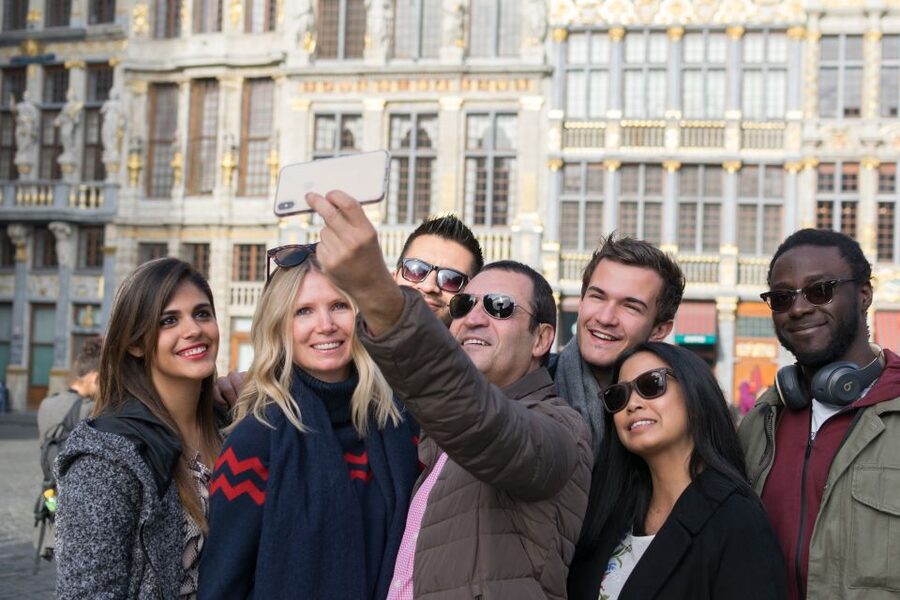
- Grand Place to royal arcades: The route blends civic power and everyday Brussels shopping life
- Cathedral interior time: Stained-glass windows are included as an inside visit
- Museum choice matters: You’ll hit the Musical Instruments Museum option, with time to pass by Magritte and the Palace of Fine Arts
- Guide energy counts: Reviews highlight guides who keep the group engaged even when weather turns cold, including names Emil and Boeykens
Why This Private Brussels Loop Works So Well in 3 Hours
Brussels is famous for looking like it has layers, because it does. This tour takes you through the city’s “two levels” logic, Lower City first and then the Upper City, so you understand how the city’s shape affected where people built power, worship, and daily life.
In a short time, you also get a practical education. You are not just looking at pretty facades, you are connecting what you see with what the buildings were for, how the city developed, and how Belgian culture shows up in everyday things like beer and chocolate.
The private format is where the value jumps. If you want more architecture focus, more stories, or a slower pace at a square, you can ask. That matters because Brussels is walkable, but it can also feel like too much if you arrive with no plan.
More things to do in Brussels:
- Brussels: Atomium Entry Ticket with Design Museum Ticket
★ 4.4 · 9,254 reviews - From Brussels: Guided Day Trip to Bruges and Ghent
★ 4.6 · 8,353 reviews - From Brussels: Bruges & Ghent Day Tour – 2 Fairytale Cities
★ 4.7 · 8,242 reviews
Lower City Starts at Grand Place, Then Manneken Pis and Street-Corner Landmarks
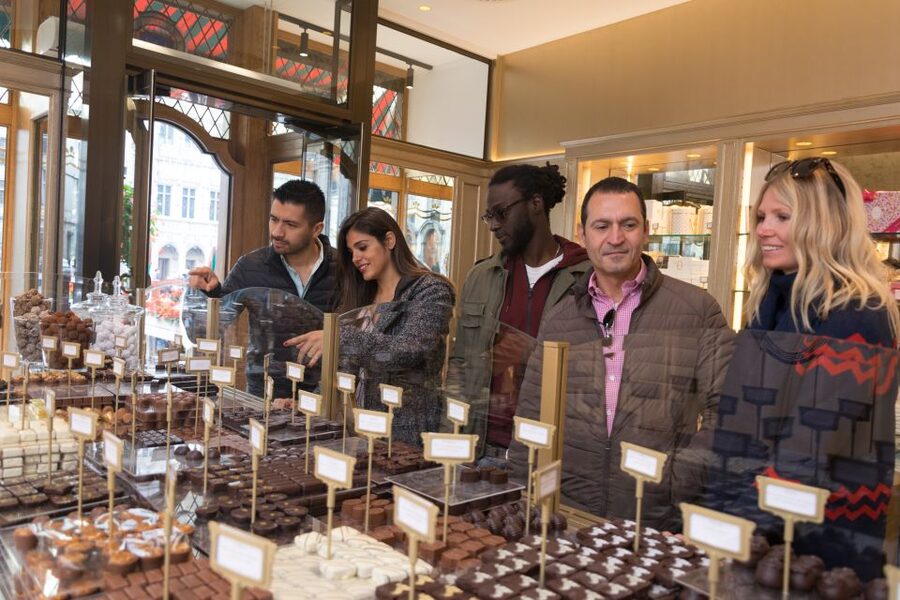
The tour begins at Grand Place, the civic heart that makes a strong first impression. This square is not just a postcard stop. It is where you start learning how Brussels projects identity, from ornate architecture to the sense that the city has always been designed to matter.
From there you head toward Manneken Pis, the small bronze landmark that somehow became one of Belgium’s best-known symbols. Even if you have seen photos, being there helps you understand the scale and why this kind of playful cultural icon fits right into a city that also loves grand public buildings.
Next comes the area around Saint-Géry island. This former island in the Senne river is a useful turning point because it explains how the river shaped where development could happen. It is the kind of detail that helps you read Brussels like a map, not just a set of monuments.
Saint-Géry Island, St. Catherine, De Brouckère and Monnaie Squares, Then the Opera
After the Saint-Géry stop, you move through St. Catherine square and on toward De Brouckère and Monnaie squares. These places help you notice how Brussels mixes eras and uses public space as a stage. Squares are where transportation, commerce, and culture intersect, so you get a clearer feel for the city’s rhythm.
Then the itinerary brings you to the federal opera house. Even if you only see it from the outside, it is a reminder that Belgium’s capital has long treated the arts as public infrastructure, not a luxury. It also sets you up for the final Lower City stop, where the design focus shifts from grand culture to everyday strolling.
This part of the walk also helps you avoid a common Brussels mistake. Many visitors try to “collect” highlights one by one. This route nudges you to see connections: square to theater, then to shopping arcades, which is exactly how the city tends to operate.
Saint-Hubert Royal Galleries: Where Brussels Turns into Glazed Shopping Architecture
The afternoon or later portion ends the Lower City story at Saint-Hubert Royal Galleries, the famous glazed arcades. This is one of those places where you understand Brussels is serious about atmosphere. Glass, light, and iron or stone detailing create an indoor street feel, like the city is giving you a short break from the outside world.
This stop also gives you a useful takeaway for self-guided exploring. After the guide points out the design elements, you will recognize similar arcade vibes elsewhere and understand why people historically loved them: shelter, visibility, and a sense of strolling between shops rather than sprinting.
If you like design, you will enjoy how this place fits the same larger theme as the Art Nouveau talk. Belgium’s style shows up in both famous buildings and in the “everyday impressive” spaces where you buy something and linger.
A few more Brussels outings worth a look
- Brussels Highlights & Hidden Gems Private Tour with a Local Guide
★ 5.0 · 251 reviews - Brussels: Belgian Beer Tasting and Course at a Private Bar
★ 4.6 · 219 reviews - Brussels PRIVATE TOUR With Locals: Highlights & Hidden Gems
★ 5.0 · 177 reviews - Brussels: Private 3-Hour Sightseeing Walking Tour
★ 4.6 · 112 reviews
Upper City Climb to St. Michael and St. Gudula Cathedral, Inside the Stained Glass
Then you head uphill toward St. Michael and St. Gudula Cathedral. The climb is part of the point. Brussels’ Upper City feels like the city’s statement of faith and authority, and getting there on foot helps you feel the transition from lower streets to higher, grander space.
Inside, the highlight is the stained-glass windows. This is the kind of stop that pays off more than it looks on a screen. Lighting and color change with the time of day, so if you are there when the light is decent, you’ll likely notice more detail than you expected.
This is also where you can slow down mentally. The cathedral is not just a “look up and move on” stop. It gives you a calm, visual reset after squares and arcades, and it anchors the Upper City portion of the route.
Place des Palais, the Royal Park and Palace, Plus Museums as Options
Next you reach Place des Palais, with the royal park and palace area nearby. Even if you do not go into the palace, this area helps you understand why the Upper City exists as a different kind of Brussels. It’s about ceremony, space, and power, framed by greenery and monumental design.
From there, the itinerary offers a choice of museum directions. You can visit the Musical Instruments Museum, or you can pass by the Magritte museum and the Palace of Fine Arts. Which path works best depends on your interests and how much time you want to spend indoors.
A practical note: museum tickets are not included. That means the guide can still walk you to the right doors and give context, but you will need to plan on adding ticket time if you want full museum stops. If you are trying to keep the day flexible, you can also treat the museum phase as “see the exterior and choose later.”
Petit Sablon and Grand Sablon: Classic Brussels Style in One Neighborhood Loop
Finally, the route brings you to Petit Sablon and Grand Sablon. This area is ideal for absorbing the city’s polished side without feeling like you are stuck in a single theme park zone.
What makes these stops useful is how they support the tour’s bigger cultural lessons. The Sablon areas are the kind of neighborhoods where Belgian tastes, craftsmanship, and art culture show up in public space. Even if you only spend limited time here, you walk away with a better sense of where design-minded Brussels lives.
If your guide has time to add commentary, I’d ask for a recommendation for what to focus on next in the Sablon area, since the neighborhood works well for self-guided strolling afterward.
Art Nouveau, Belgian Beer, and Chocolate Facts You Can Actually Use
One of the strongest reasons to book this tour is not only the landmarks, it is the connective tissue. The guide is specifically set up to help you understand Art Nouveau as something you can spot, not just something you read about. You start recognizing details in facades and design elements as you move.
The same approach applies to Belgian beer and chocolate. These are not treated like generic souvenirs. Instead, you get context that helps you understand why they are such a big deal here, and what kind of experiences to look for when you branch out on your own later.
If you love food and drink travel, this is a smart way to set your “taste map” early. You will be better prepared for deciding what to try, where it fits culturally, and how to avoid wasting time on the obvious traps.
Price and Logistics: Is $353 Good Value for a Private Group?
The price is $353 per group, up to 20 people, for a duration of 3 hours. Whether it feels like a bargain or a splurge depends on who you are traveling with and whether you value personalized context over cheaper, less focused touring.
Here is the value logic I use: you are paying for a professional guide, a route that covers key Lower and Upper City landmarks, and optional hotel pickup. If you’re a small family, you get a lot of interpretation baked into the walk. If you’re a larger group up to the stated limit, the cost spreads out, and you effectively buy back time you would otherwise spend figuring out what matters.
Transport is not included, and museum tickets are not included. Drinks and meals are not included either. So think of this as a guided sights and culture experience first, with museum time only if you decide to add it.
Given the concentration of major stops like Grand Place, Manneken Pis, the cathedral interior, and the royal galleries, it is priced in a way that can make sense, especially if you want your time in Brussels to feel guided rather than random.
Guide Style, Language Options, and How Reviews Hint at What to Expect
A private tour lives or dies on the guide. The feedback you get here points to guides who can manage the story flow across different eras and keep people engaged, even when conditions are not perfect. One review singled out Emil for mixing the city’s development over time in a clear way, and another highlighted Hr. Boeykens for being friendly and for keeping the group upbeat despite cold weather.
That kind of guiding style matters because Brussels is full of “you should care” details. A strong guide helps you care in the moment. They also make it easier to ask questions, since this is a private group setup.
The good news: language coverage is broad. You can choose among Spanish, Dutch, English, French, German, Italian, Russian, and Portuguese. That means you can pick what makes you feel comfortable enough to ask follow-up questions, not just listen passively.
You can also arrange the itinerary to match your preferred vibe, academic, entertaining, or professional. If you want a more story-driven experience, say so early. If you want architectural focus and art references, you will likely get more out of every stop.
Who This Tour Fits Best (and Who Might Want a Different Plan)
This tour is a great match if you want a structured introduction to Brussels and you like walking through neighborhoods with meaning behind the scenery. It is also ideal for people who care about design and culture, because you get prompts around Art Nouveau, beer, and chocolate while you are standing in the actual places those ideas connect to.
It also fits families or mixed-age groups who like the safety of a planned route with a guide to keep the day organized. The pace can be adjusted, and wheelchair accessibility is listed, which is a real plus if mobility needs require planning.
If you already have deep museum priorities and want a lot of time inside multiple exhibitions, you might find 3 hours tight. The route can pass by museums, but museum entry is not included and time is limited. In that case, you could pair this tour with one longer museum day on a separate outing.
Should You Book This Brussels Upper and Lower City Private Tour?
Yes, if you want your first Brussels day to feel like you understand the city’s logic, not just its highlights. The route hits the big landmarks that actually teach you something: Grand Place, Manneken Pis, the cathedral interior, and the Royal Galleries, with cultural context tied in.
I would especially book it if you value a private guide who can keep the story moving and adjust to your style. The review notes about Emil and Hr. Boeykens are exactly what you hope for, a guide who can connect the timeline and keep the mood up.
I’d think twice only if you dislike uphill walking or you want heavy museum time. This is a sights and interpretation plan, and museum doors are optional rather than guaranteed.
FAQ
Is the tour offered as a private group?
Yes, it is a private group tour. The pricing is listed per group up to 20 people, and the provider also notes that tours are limited to 25 participants per group.
How long is the Brussels Upper and Lower City private tour?
The duration is 3 hours.
Where does the tour start and what parts of Brussels does it cover?
It starts in the Lower City at the Grand Place, then includes stops such as Manneken Pis and the surrounding areas, and later continues with the Upper City highlights like St. Michael and St. Gudula Cathedral and stops around the Sablon area.
Are museum tickets included?
No. Tickets to museums are not included.
Does the tour include hotel pickup?
Pickup is possible from your Brussels hotel.
What languages is the live guide available in?
The live guide is available in Spanish, Dutch, English, French, German, Italian, Russian, and Portuguese.
The latest Brussels write-ups
- Taxi DE Brussels to Zaventem Airport★ 5.0 · 3 reviews
- Taxi to Brussels National Airport DE Brussels★ 3.5 · 17 reviews
- Taxi Brussels Airport < - > Airport DE Charleroi (1 to 8 places)★ 3.5 · 3 reviews
- PRIVATE MPV TRANSFER FROM/TO BRUSSELS AIRPORT (Max 6 pax) ONE-WAY★ 5.0 · 4 reviews
- Standard vehicle from Brussels airport to city of Antwerp★ 5.0 · 4 reviews
- Luxury vehicle from Brussels airport to the city of Brussels★ 4.0 · 5 reviews
- Private transfer from BRU Airport to Brussels city with luxury limousine 3 pax★ 4.5 · 8 reviews
- Transfer Brussels Airport –> Brussels MB V Class 7 PAX (ONE WAY)★ 5.0 · 4 reviews