
REVIEW · MUSEUMS
Brussels: Museum Art & History Entry Ticket
History hits the ground running.
With a single entry ticket, you get a full sweep through time at the Royal Museums of Art and History in Brussels, from archaeology and ancient empires to later European art styles and objects from across the world. I love the model of Roma, because it makes Roman scale feel instantly graspable, and I also love the Egyptian mummies segment, because it leans into the spooky, myth-and-museum vibe without requiring you to be an Egyptologist.
What makes it extra fun is that the museum is built to move you between cultures, not just chronologies. You’ll see the collection grouped in a way that keeps your brain from melting, with ancient Egypt, Greece, and Rome, plus prehistory, European decorative arts from the 10th to 20th centuries, and non-European civilizations such as the Islamic world, India, and China. The one drawback to plan for is simple: this is a big museum, so with only 1 day, you will want a loose route so you do not spend the day backtracking or staring at maps.
In This Review
- Key points to know before you go
- Why the Royal Museums of Art and History feel like multiple trips
- Getting there, then finding the entrance on the right side
- The Roma model: where you start to understand ancient scale
- Ancient Egypt and the mummy curse atmosphere
- From Greece and Rome to prehistory: how the museum keeps you moving
- European decorative arts, 10th to 20th centuries: where style becomes a story
- Non-European civilizations, including Islamic world, India, and China
- Finishing strong with Cinquantenaire Park picnic time
- Price and value: what $11 buys you in Brussels terms
- How long 1 day really means in practice
- Who should book this ticket, and who should plan differently
- Should you book this Brussels Museum Art and History entry?
- FAQ
- Where is the entrance located?
- How long should I plan for this visit?
- Is the ticket a time ticket or flexible within the day?
- Does the ticket include skipping the ticket line?
- Is flash photography allowed?
- Which train stations are closest?
- What is the nearest metro station?
- Which bus and tram stops are nearby?
- Is the museum wheelchair accessible?
- Can I cancel for a refund?
Key points to know before you go
- A model of Roma helps you picture ancient Rome fast, even if you skip the text and go straight to the objects.
- Egyptian mummies bring atmosphere to the galleries, so it feels more like a story than a storage room.
- Four collection zones keep you organized: prehistory, ancient history, European decorative arts, and non-European civilizations.
- Asian Buddhas add a calmer, different kind of wonder to the route, including the oriental-world stop.
- Cinquantenaire Park picnic gives you a perfect finish outside, right after the last gallery.
- Value check if you have a museum pass, because you may not need to buy a separate ticket.
Why the Royal Museums of Art and History feel like multiple trips
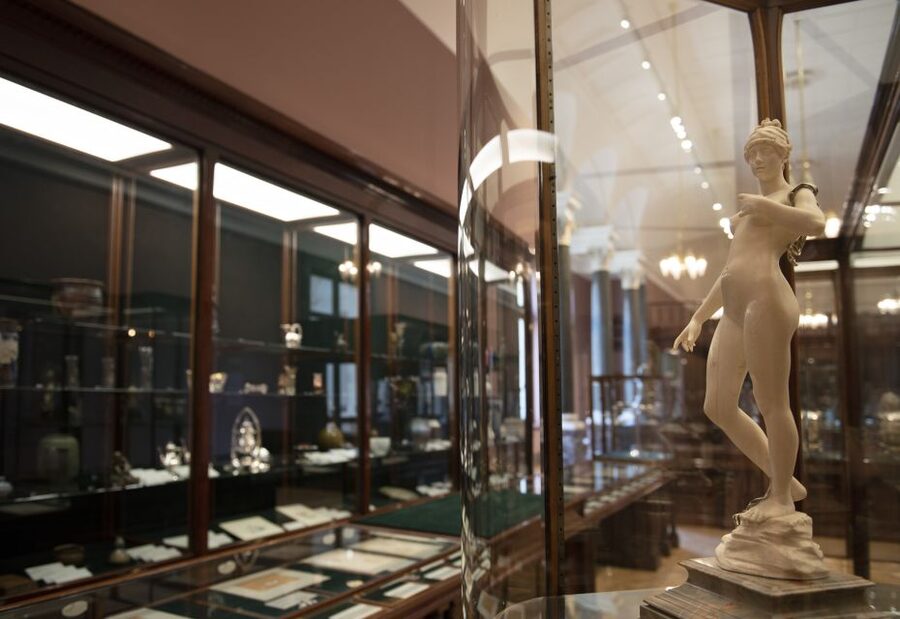
This museum is one of those places where you walk in expecting art, then realize it is also archaeology, world history, and design all in one building. The payoff is that you get momentum. Each section nudges you forward, from the earliest human story material to later centuries, and then sideways across regions.
The museum sits at Parc du Cinquantenaire, in a classic, handsome building. That matters, because the experience does not end in the dark. When you step out, you can immediately switch gears to daylight and space, and that is exactly what makes the picnic at the park such a smart move.
Also, this works for a wide range of ages. I have seen enough museums that are too academic or too slow for kids. Here, the objects and the dramatic themes, like mummies and big Rome imagery, tend to keep both kids and adults paying attention.
More Historical Tours in Brussels
- Brussels: Historical Tour with Chocolate & Waffle Tasting
★ 4.8 · 1,206 reviews - Brussels: Historical Walking Tour with Chocolate & Waffle Tasting
★ 5.0 · 1,165 reviews - Historical Walking Tour: The Story of Brussels – by Legends
★ 5.0 · 164 reviews
Getting there, then finding the entrance on the right side
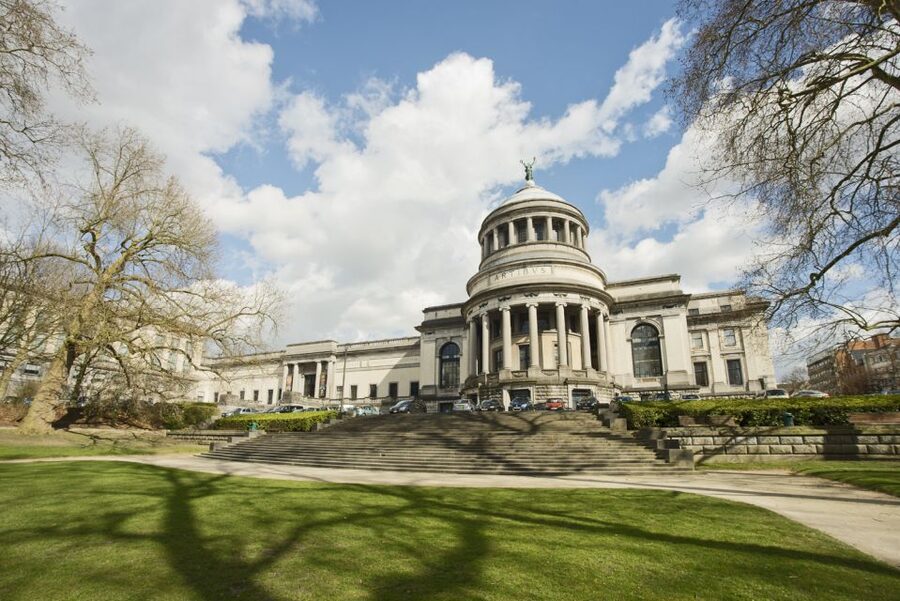
Start with logistics that save time. The museum is not right next to Autoworld. The entrance is on the other side of the building. Do yourself a favor when you arrive: walk around the corner and follow the entrance signs. It is a small moment, but it is the difference between starting your visit relaxed or starting it frustrated.
For transit, use whichever station you are already closest to:
- Train stations: Merode and Schuman are within walking distance.
- Central Station works too, with a metro connection to the Art and History Museum.
- Metro: the nearest station is Schuman.
- Bus: routes 22, 27, 80 stop at Galliërs; route 61 stops at Merode.
- Tram: 81 and 82 stop at Merode.
Tip: if you are using public transit, I would aim for Schuman or Merode. The walk is part of the experience, and it usually feels easier than arriving, then hunting for the correct side of the building.
The Roma model: where you start to understand ancient scale
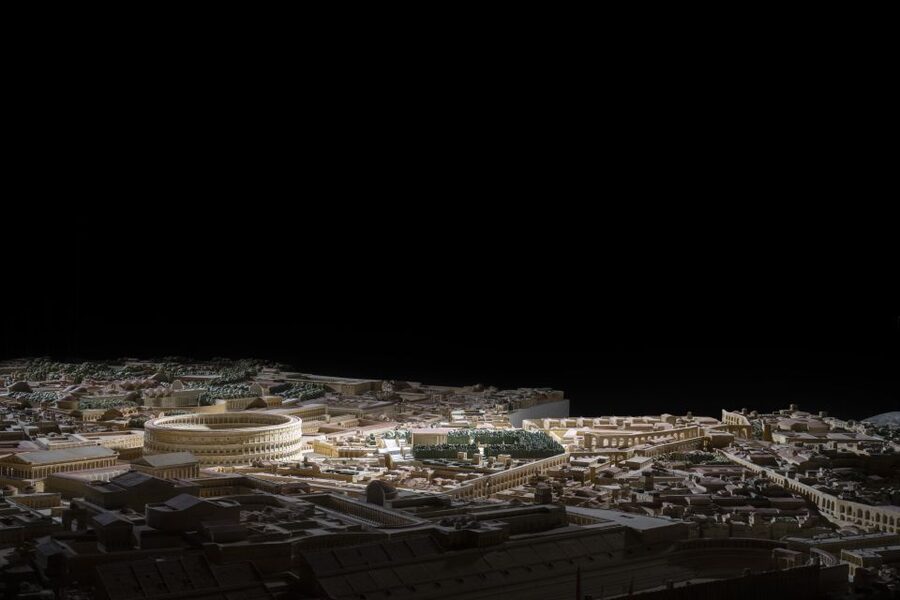
One of the first reasons this ticket is fun is how it brings ancient Rome from abstract to physical. The model of Roma gives you a fast visual anchor. Even if you only catch a few minutes of it, it helps your brain connect later Roman objects to a real city.
When you are facing a museum full of artifacts, it is easy to get lost in details. A strong “big picture” object prevents that. Think of the Roma model as your mental starter map. Then when you look at architecture fragments, tools, or Roman-age themes, you can place them in context instead of letting them blur together.
If you like a quick hit of wow before you slow down, make sure you do not walk past this section early on. Give it a moment, even if you plan a full route afterward.
Ancient Egypt and the mummy curse atmosphere
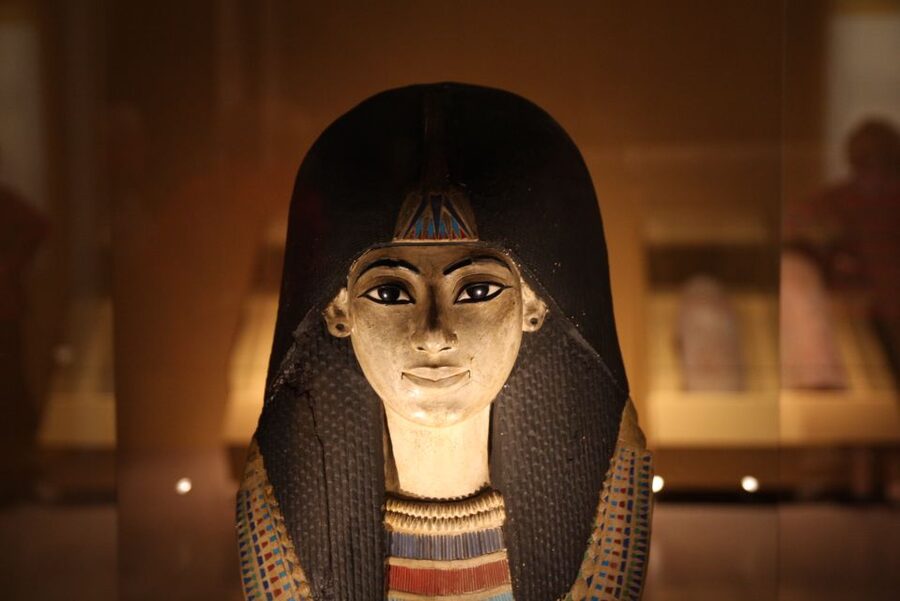
Next comes the part people talk about for a reason: Egypt. The museum leans into the Egyptian mummies experience, including the idea of a curse. You are not required to be into Egyptian religion to enjoy it. What matters is that the display has mood, and it makes the ancient artifacts feel human, not dusty.
Here is the practical way to enjoy this section:
- First, scan for the key displays so you see what the room wants to show you.
- Then spend extra time on the objects that look most “alive,” meaning those with clear craftsmanship and visible meaning.
One important note: flash photography is not allowed. That is normal for museums, but it also means lighting and your own eyes matter. Go slow, and let your eyes adapt.
More Museum Visits in Brussels
- Brussels: Atomium Entry Ticket with Design Museum Ticket
★ 4.4 · 9,254 reviews - Choco-Story Brussels: Chocolate Museum Entrance with Tasting
★ 4.3 · 4,883 reviews - Brussels: Chocolate Museum Visit with Workshop
★ 4.6 · 1,474 reviews - Brussels: The World of Banksy Museum Permanent Exhibition
★ 4.7 · 636 reviews
From Greece and Rome to prehistory: how the museum keeps you moving
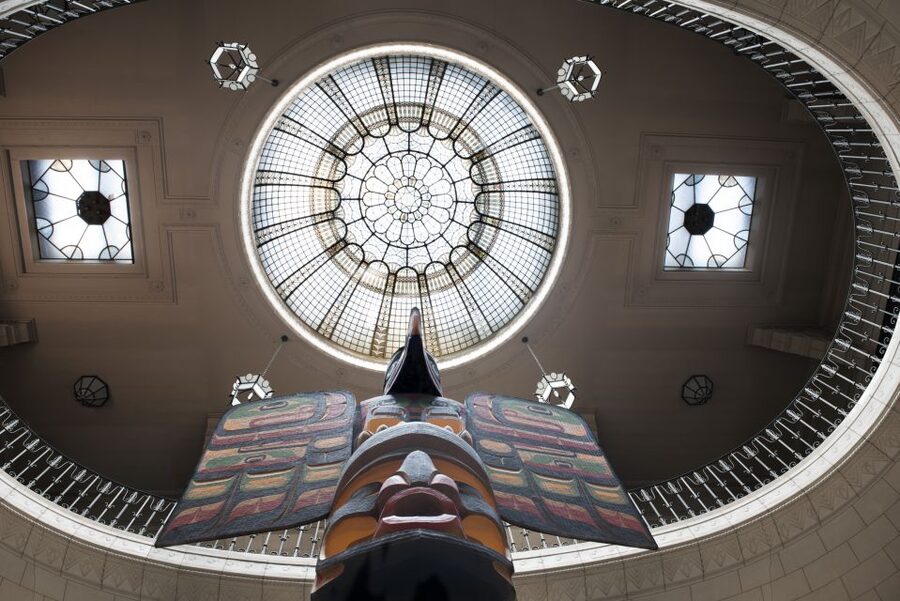
After the Egypt and Rome draw, you will notice the museum’s structure. The collection is divided into main groups. That is not just administrative. It changes how you feel inside.
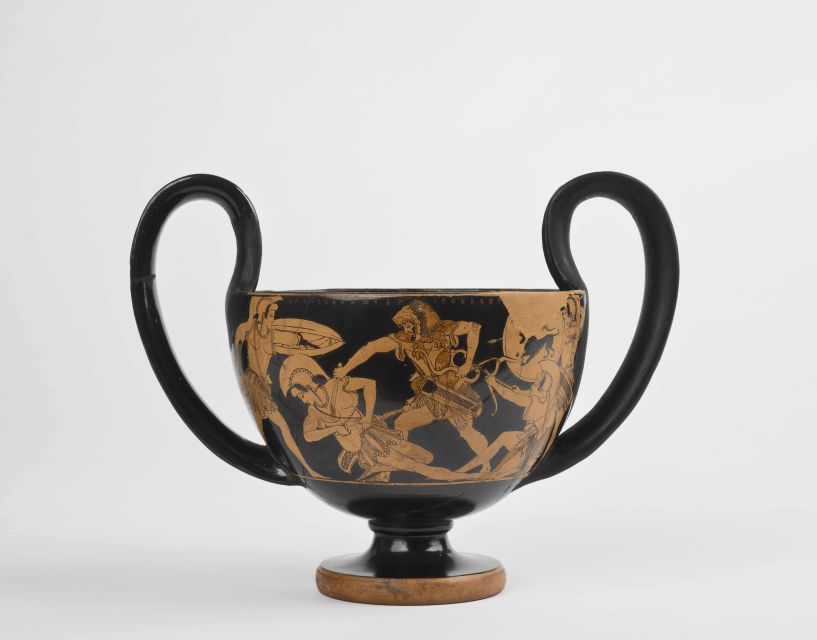
The ancient history group includes Egypt, Greece, and Rome. But the museum also has a national archaeology space focused on prehistory. The effect is that your visit is not one long hallway. You get an ongoing sense of “before, then after,” which makes the timeline stick.
If you are short on time, pick one anchor per group. For example:
- For ancient history, let Rome and Greece guide you.
- For prehistory, pick the pieces that show transitions in tools, burial practices, or daily life themes.
You do not need to read every label to benefit. You just need a few strong points to build your own understanding.
European decorative arts, 10th to 20th centuries: where style becomes a story
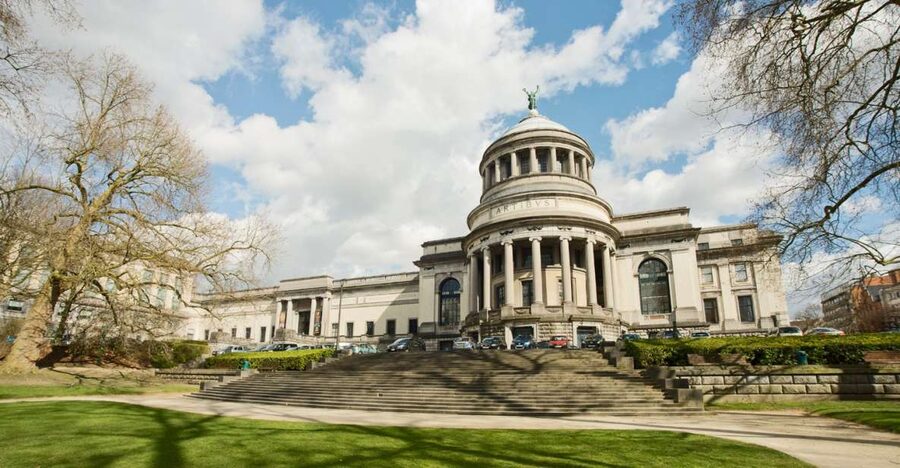
The European decorative arts section runs from the 10th to the 20th centuries. This is where the museum can feel most like a design museum, not only a history museum.
Why it is worth your time: decorative arts show how people lived, not just what rulers owned. You can often tell the social mood of an era by the materials, the patterns, and the way objects were made to be used or displayed.
The museum also spans later styles into the 16th to 18th centuries, and then into early 20th century Art Nouveau and Art Deco. That jump is satisfying. You see how taste changes over centuries, and you get a “how did we get here” feeling when you compare older European aesthetics with the more modern-looking approaches.
Practical tip: do not try to “complete” this section in one pass. Decorative arts reward repeated viewing. If you can, slow down at the most visually striking rooms and let the rest be a tour through ideas.
Non-European civilizations, including Islamic world, India, and China
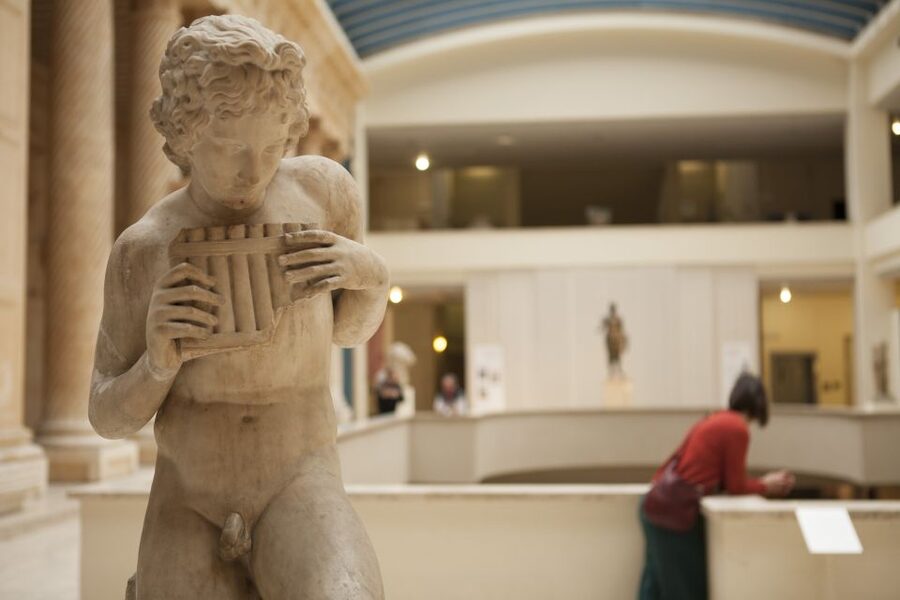
One of the best surprises here is that the museum does not treat non-European collections like an add-on. You get a dedicated zone for non-European civilizations, including the Islamic world, India, and China, with objects from Asia also woven into the experience.
The highlight described for this stop is the oriental world, including Asian Buddhas. This is a different emotional pace from the mummy and Rome sections. Instead of fear or empire scale, it can feel meditative and grounded.
How to get the most from these galleries:
- Move slowly enough to notice details in forms and craftsmanship.
- Then take one step back and look at the overall room arrangement.
Even without deep background, you will usually find a few objects that pull you in. That is your personal route inside the bigger route.
Finishing strong with Cinquantenaire Park picnic time
Do not underestimate what happens after the last gallery. This museum’s location makes it easy to end the day outside. After you take in the final rooms, plan for an impromptu picnic in Cinquantenaire Park.
Why this matters: museums can make your sense of time vanish. A park reset gives you space to process what you saw. It also helps families. Kids burn energy outdoors, and adults get a break from indoor pacing.
If you are visiting in warmer months, pack something simple: a few snacks, water, and something comfortable to sit on. Even if you keep it casual, the park finish turns your museum ticket into a full day instead of a short indoor sprint.
Price and value: what $11 buys you in Brussels terms
The ticket price is listed at about $11 per person, for a 1-day entry. That is a strong value when you compare it to the typical cost of museum entry in big Western European cities.
But the real value depends on how you use the time. This is a place where you can either rush and skim, or you can pick themes and see them deeply. If you like art plus history plus world culture in one building, the ticket is money well spent because you do not have to buy multiple separate experiences.
One smart value consideration: if you already hold a museum pass, double-check whether you would still need a separate paid ticket. One booking experience shared a moment where a museum pass covered entry and the extra ticket felt unnecessary. So, before you buy, look at what you already have.
How long 1 day really means in practice
You are buying a 1-day experience, and that is the right time window for most people who want a highlights route. The museum’s scale means you may not see every object, and that is okay. The better approach is to focus on the sections that match your interests.
A practical one-day mindset:
- Give yourself a firm starting point, then keep moving.
- Build in short pauses at the big “wow” zones, like the model of Roma and the mummy displays.
- Let the rest support those anchors.
If you are traveling with kids, this approach is even more important. Too much time in a single room can turn curiosity into fatigue. Short stops and clear highlights keep the energy up.
Also remember the no flash photography rule. It influences how fast you want to move with your eyes adjusting to different gallery lighting.
Who should book this ticket, and who should plan differently
This ticket fits best if you want:
- A single museum stop that covers ancient Rome, Egypt, and world cultures.
- A mix of art and history without having to specialize.
- A day that ends outdoors with a park picnic.
It is also a good choice for mixed groups, adults plus kids, because there are dramatic themes and big visual moments paired with calmer galleries like Asian Buddhas and decorative arts.
If your goal is only one narrow topic, like just Egyptian antiquities or just modern design, you might feel like you are splitting your attention. In that case, you can still enjoy it, but plan your route tightly. Otherwise, you might leave feeling you saw lots but finished nothing.
Should you book this Brussels Museum Art and History entry?
Book it if you want maximum variety for your day in Brussels. For about $11, you get a serious museum housed in a beautiful classic setting, a strong mix of Rome, Egypt, European decorative arts, and collections from places like the Islamic world, India, and China, plus the perfect excuse to close with a picnic at Cinquantenaire Park.
Do not book it blindly if you already have a museum pass and might be covered. Check first so you do not pay twice.
If you can only do one culture stop, this is a good contender because it gives you both the big stories and the objects that help those stories stick.
FAQ
Where is the entrance located?
The entrance is not next to Autoworld. You need to walk around the corner and follow the signs to the entrance.
How long should I plan for this visit?
The ticket is listed as valid for 1 day.
Is the ticket a time ticket or flexible within the day?
It is described as valid 1 day, and you can check availability to see starting times.
Does the ticket include skipping the ticket line?
Yes, it includes skip the ticket line.
Is flash photography allowed?
No. Flash photography is not allowed.
Which train stations are closest?
The nearest stations are Merode and Schuman (within walking distance), and Central Station is also an option with a metro connection.
What is the nearest metro station?
The nearest metro station is Schuman.
Which bus and tram stops are nearby?
Bus 22, 27, and 80 stop at Galliërs, bus 61 stops at Merode. Tram 81 and 82 stop at Merode.
Is the museum wheelchair accessible?
Yes, it is wheelchair accessible.
Can I cancel for a refund?
Yes. Free cancellation is available up to 24 hours in advance for a full refund.
The latest Brussels write-ups
- Taxi DE Brussels to Zaventem Airport★ 5.0 · 3 reviews
- Taxi to Brussels National Airport DE Brussels★ 3.5 · 17 reviews
- Taxi Brussels Airport < - > Airport DE Charleroi (1 to 8 places)★ 3.5 · 3 reviews
- PRIVATE MPV TRANSFER FROM/TO BRUSSELS AIRPORT (Max 6 pax) ONE-WAY★ 5.0 · 4 reviews
- Standard vehicle from Brussels airport to city of Antwerp★ 5.0 · 4 reviews
- Luxury vehicle from Brussels airport to the city of Brussels★ 4.0 · 5 reviews
- Private transfer from BRU Airport to Brussels city with luxury limousine 3 pax★ 4.5 · 8 reviews
- Transfer Brussels Airport –> Brussels MB V Class 7 PAX (ONE WAY)★ 5.0 · 4 reviews
Museums, compared.
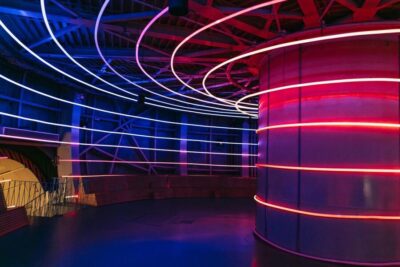
Atomium Entry Ticket with Design Museum Ticket
Read our review →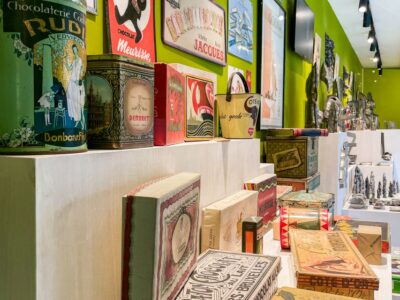
Choco-Story Brussels: Chocolate Museum Entrance with Tasting
Read our review →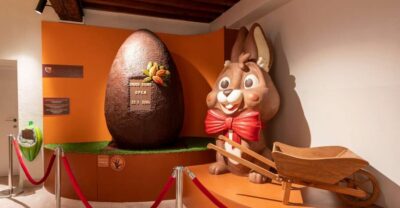
Choco-Story Museum with Audio Guide and Tastings
Read our review →
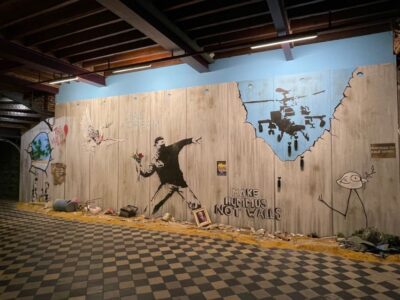
The World of Banksy Museum Permanent Exhibition
Read our review →

Chocolate Making Workshop and Chocolate Museum Entry
Read our review →Browse the lists this tour appears in