
REVIEW · BRUSSELS TOURS
Brussels, 1000 Years of Struggles
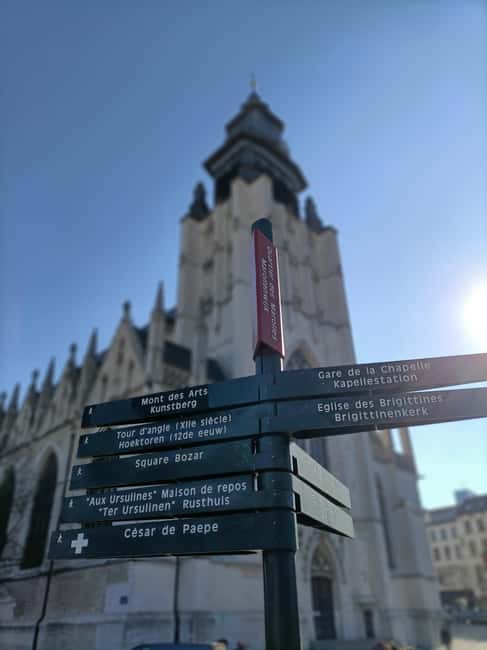
Forget royal Brussels, try street-level rebellion. The 1000 Years of Struggles tour in the Marolles district turns real conflicts and neighborhood power struggles into a funny, human-scale walk, with stops that connect old and newer fights for space, dignity, and everyday life. I particularly like how it mixes well-known moments with smaller side streets and dead ends, so you get a strong sense of where tension actually played out on the ground.
Another thing I like: it’s guided and story-driven, so the history doesn’t sit in a textbook. You follow the tour through the Marolles area while hearing anecdotes that make events easier to picture, including the Battle of the Marolles in 1969 and the Mattress War in 1989. One thing to consider, though: one review flagged that a small extra payment was requested at the end, so it’s smart to have a little cash on hand even if the listed price is low.
In This Review
- Key points to know before you go
- Why Marolles makes sense for a 1000 Years of Struggles walk
- The 2-hour format: pace, group vibe, and what you should bring
- Practical note on language
- First stops: how the tour sets up Marolles as a conflict map
- The Battle of the Marolles (1969): street-level power and neighborhood pride
- The Mattress War (1989): why everyday objects can become political
- Between the landmarks: alleys, dead ends, and how the guide makes the route meaningful
- Gentrification and the modern meaning of struggle in Marolles
- Who should book this walk, and who might want a different style
- Price and value: why this is such a bargain
- About the guide and what to do to get the most out of the stories
- Final verdict: should you book the 1000 Years of Struggles tour?
- FAQ
- How long is the 1000 Years of Struggles tour?
- What is included in the ticket price?
- What languages are available?
- How much does the tour cost?
- Are drinks or food included?
- Where does the tour meet?
- Can I cancel for a full refund?
- Do I need to pay anything besides the listed price?
Key points to know before you go
- Marolles on foot: a focused walk through one of Brussels’ most outspoken neighborhoods
- Two headline conflicts: the 1969 Battle of the Marolles and the 1989 Mattress War
- Humor with bite: social struggles told with a playful, interactive feel
- Known spots plus side alleys: you pass important locations and also lesser-seen streets
- A useful lens on change: gentrification shows up as a modern form of social pressure
Why Marolles makes sense for a 1000 Years of Struggles walk
Brussels has plenty of grand sights, but the Marolles district works differently. It’s the part of town where you can still feel how ordinary people shaped the city, not just kings, councils, or famous artists. This tour leans into that idea. Instead of treating Brussels as a museum, you treat it like a lived-in place where conflicts, negotiations, and protests all left traces in daily streets.
You also get a neat contrast in this format. The tour’s theme stretches from older social fights to more recent ones, so you can compare how the reasons change over time, even when the emotional core stays similar. People argue over housing, belonging, and who gets to decide what a neighborhood becomes. That’s not just history talk. It’s the same tension you see in cities everywhere, including right now.
More things to do in Brussels:
- Brussels: Atomium Entry Ticket with Design Museum Ticket
★ 4.4 · 9,254 reviews - From Brussels: Guided Day Trip to Bruges and Ghent
★ 4.6 · 8,353 reviews - From Brussels: Bruges & Ghent Day Tour – 2 Fairytale Cities
★ 4.7 · 8,242 reviews
The 2-hour format: pace, group vibe, and what you should bring
This is a 2-hour guided walk, so it’s not a half-day grind. The structure matters: short segments connected by stories. That helps you keep track of why each stop matters and how each event fits the broader theme of social struggle.
Because drinks and food are not included, plan like you’re on a walk, not a meal tour. Bring water, and if you’re the type who gets hungry between sights, have a snack before you go. The tour is priced very low on paper, which means the value comes from the guide and the route, not from anything handed out.
Also, expect a mix of energy. One review called out a humor-forward approach, with a lively and interactive feel. That usually means the guide is willing to pause, explain, and keep the group engaged rather than just reciting facts. If you like asking questions, this format is often a good match.
Practical note on language
The live guide is available in English and French, which is great for Brussels. It also means you’ll want to pick the language option that best fits your comfort level. You’ll understand the jokes and the details better when you’re not working through translation in your head.
First stops: how the tour sets up Marolles as a conflict map
Before you reach the headline events, the tour typically works like a good briefing. You’re led through the Marolles area in a way that frames the neighborhood as a series of social turning points. The key word here is criss-cross. The route isn’t just a straight line past famous points. You move between better-known places and smaller alleys and dead ends.
That matters more than it sounds. Side streets show you the neighborhood’s “micro scale,” where power struggles often show up first. It’s easier to picture how people gathered, argued, and responded when you can see the tight geometry of streets rather than only wide boulevards. Dead ends, in particular, make the sense of pressure and blockage feel more real.
This is also where anecdotes do their job. Even without listing a giant cast of characters, the guide can connect the neighborhood look to the lived experience. You start to think in cause and effect: what conditions likely led to unrest, and why certain places became symbols.
Nearby, and a completely different afternoon:
- Choco-Story Brussels: Chocolate Museum Entrance with Tasting
★ 4.3 · 4,883 reviews - Bruges and Ghent – Belgium’s Fairytale Cities – from Brussels
★ 4.0 · 4,809 reviews - Brussels: Hop-On Hop-Off Bus Tour
★ 4.0 · 4,016 reviews - Hungry Mary’s Famous Beer and Chocolate Tour in Brussels
★ 5.0 · 2,258 reviews
The Battle of the Marolles (1969): street-level power and neighborhood pride
The tour’s first big named moment is the Battle of the Marolles, 1969. Even if you don’t arrive with background reading, the way the topic is handled should help you follow the logic: social struggle isn’t random. It grows out of day-to-day friction, plus the way communities organize when things feel unfair.
What you should take from this stop is not just the event title. It’s the neighborhood dynamic. In a place like Marolles, identity runs deep. You’re not just hearing about conflict. You’re being shown how conflict can become a neighborhood story, something people remember and talk about because it shaped how they see themselves.
Practical tip: give yourself a moment to look around before you listen too hard. When the guide talks, glance at the street layout. Ask yourself where crowds could have formed, where people could move quickly, and where tensions would be hard to escape. Even without exact re-enactment details, that simple habit helps you make sense of why an area got called out in the first place.
The Mattress War (1989): why everyday objects can become political
Then comes the event people often remember most easily, the Mattress War, 1989. The name sounds almost like an urban legend, but the point of covering it on a tour like this is clear: big social change can be sparked by something ordinary.
The Mattress War is often treated as a story about neighbors pushing back, and the tour approach helps you see why. Instead of focusing only on dramatic outcomes, you’re guided to understand the tension that led people to take a stand. In a neighborhood context, housing and public space disputes can become huge quickly, because families live with the consequences every day.
This stop also tends to show the tour’s balance. It’s not just a history lecture. The tone is playful and humorous, but the subject stays serious enough to matter. That’s a useful mix, especially for a 2-hour walk. You’ll come away with facts, but you’ll also come away with a feeling for what people were up against.
If you’re the kind of traveler who likes to understand the “why,” this is one of the stops to listen closely. The tour theme wants you to connect those dots, from conditions on the street to organized response.
Between the landmarks: alleys, dead ends, and how the guide makes the route meaningful
One of the best parts of this kind of neighborhood tour is when the guide uses the route itself as evidence. Here, you’re constantly moving through the Marolles area, including lesser-known alleys and places you might not find on your own. Those turns and small passages are the bridge between named events and everyday life.
You should expect the guide to point out what makes each place a good “story stop,” even when it doesn’t look important at first glance. That might mean noting how a street’s narrowness changes what’s possible, or explaining how a particular spot became linked with conflict because it was where people interacted. You might also hear how the fight wasn’t only about one thing. It was about dignity, voice, and control.
This is where the tour can feel especially fun. If the guide is telling jokes and keeping the group moving, you’ll likely feel like you’re walking through a neighborhood comic book, except the plot has real-world consequences. That’s a good way to learn without turning the whole thing into homework.
Gentrification and the modern meaning of struggle in Marolles
One of the most practical lessons from the reviews is that the tour doesn’t stop at old events. It also links social conflict to the way neighborhoods change over time. A German review specifically called out the tour’s connection to gentrification, described as socioeconomic change driven by the arrival of wealthier residents that can reshape a district.
That framing is valuable because it gives you a lens for what you see while walking. In many cities, “improvement” can mean different things depending on who pays and who benefits. When a neighborhood shifts, longtime residents often feel it first through rent pressure, new commercial patterns, and changes in how people use public space.
On this tour, that theme helps you connect the past to the present. Even if you’re just sightseeing, you’ll start noticing how city change has a human cost and a political side. You may also find it easier to understand why communities organize, protest, and debate. It’s not just nostalgia. It’s survival.
Who should book this walk, and who might want a different style
This tour is a good fit if you like city history with street reality. It works well for you if you enjoy:
- neighborhood walks that focus on social movements
- explanations tied to real places, not just monuments
- humor in a serious subject
- learning how a district identity forms over time
It may be less ideal if you only want major landmarks or if you prefer quiet, museum-style pacing. The point here is conflict and community response, and those stories can include tension.
Also, because the tour includes humor and interaction, it’s best if you’re comfortable in a group setting and willing to engage. This isn’t a private, silent stroll.
Price and value: why this is such a bargain
The listed price is $3.53 per person, and the duration is 2 hours with a live guide. On value alone, that’s remarkable. You’re paying mainly for the guide’s storytelling and the route through Marolles, which is exactly what walking tours are good at. The tour isn’t asking you to pay for extras like entrance tickets or bundled food. That keeps your total cost simple.
That said, one review raised a red flag about a small extra payment at the end of the visit, and specifically mentioned cash being needed because the booking info did not clearly communicate it. I can’t confirm the details of what each group will be asked to pay, but I can give you one strong practical recommendation: bring a bit of cash just in case. It’s cheap insurance against an awkward moment.
If you’re traveling on a budget, this price makes it easy to choose. You can also pair it with other Marolles stops later without feeling like you overpaid for the morning or afternoon slot.
About the guide and what to do to get the most out of the stories
The tour provider is Brussels By Foot SRL, and the guide leads live in English or French. In one review, the guide named Simon was singled out for being excellent and passionné, with a story style that kept the visit interesting. Even if your guide is someone else, that detail hints at the kind of energy you can expect: engaged, story-forward, and tuned to the neighborhood.
To get the most out of a tour like this, do two simple things:
- Ask one question about how an event affected daily life, not just what happened
- Look at the streets the guide points to, then connect the layout to the story
Those habits help you remember the tour after the walking is over.
Final verdict: should you book the 1000 Years of Struggles tour?
If you want Brussels as a living city, this is the kind of tour that can change how you see it. I’d book it when you want context behind a neighborhood and you’re curious about how social conflict shapes streets, identity, and community power.
Book it if you enjoy humor mixed with real topics, and if you like walks where the guide uses side alleys and dead ends as part of the storytelling, not as filler. The low price makes it an easy yes, especially for a 2-hour slot.
The only real caution is the small payment surprise mentioned in one review. Bring a little cash to be safe. If that detail doesn’t worry you, this tour offers strong value and a memorable way to understand Marolles beyond postcards.
FAQ
How long is the 1000 Years of Struggles tour?
The tour lasts 2 hours.
What is included in the ticket price?
It includes a guided tour.
What languages are available?
The live guide offers the tour in English and French.
How much does the tour cost?
The price listed is $3.53 per person.
Are drinks or food included?
No. Drinks and food are not included.
Where does the tour meet?
The meeting point may vary depending on the option booked.
Can I cancel for a full refund?
Yes, the tour offers free cancellation up to 24 hours in advance for a full refund.
Do I need to pay anything besides the listed price?
The tour is priced at $3.53, but one review reported an additional small payment requested at the end. To avoid any surprises, it’s smart to have a bit of cash on hand.
The latest Brussels write-ups
- Taxi DE Brussels to Zaventem Airport★ 5.0 · 3 reviews
- Taxi to Brussels National Airport DE Brussels★ 3.5 · 17 reviews
- Taxi Brussels Airport < - > Airport DE Charleroi (1 to 8 places)★ 3.5 · 3 reviews
- PRIVATE MPV TRANSFER FROM/TO BRUSSELS AIRPORT (Max 6 pax) ONE-WAY★ 5.0 · 4 reviews
- Standard vehicle from Brussels airport to city of Antwerp★ 5.0 · 4 reviews
- Luxury vehicle from Brussels airport to the city of Brussels★ 4.0 · 5 reviews
- Private transfer from BRU Airport to Brussels city with luxury limousine 3 pax★ 4.5 · 8 reviews
- Transfer Brussels Airport –> Brussels MB V Class 7 PAX (ONE WAY)★ 5.0 · 4 reviews
Brussels Tours, compared.

Atomium Entry Ticket with Design Museum Ticket
Read our review →
Choco-Story Brussels: Chocolate Museum Entrance with Tasting
Read our review →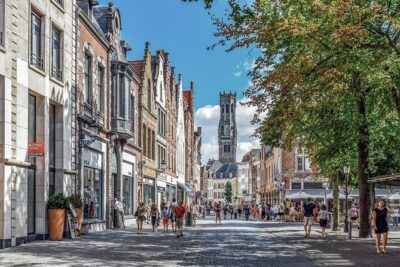
Bruges and Ghent – Belgium’s Fairytale Cities – from Brussels
Read our review →

Hungry Mary’s Famous Beer and Chocolate Tour in Brussels
Read our review →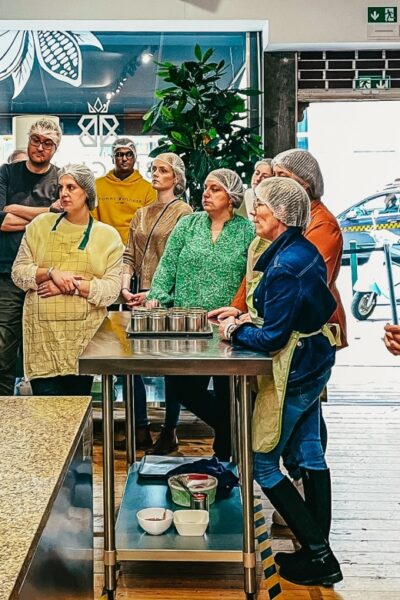
Belgian Chocolate Making Workshop with Tastings
Read our review →Browse the lists this tour appears in